
 Fast & Free Shipping
 30 day Money Back
 Secure Checkout
 Fast & Free Shipping
30 day Money Back
Secure Checkout
Fast & Free Shipping
30 day Money Back
Secure Checkout
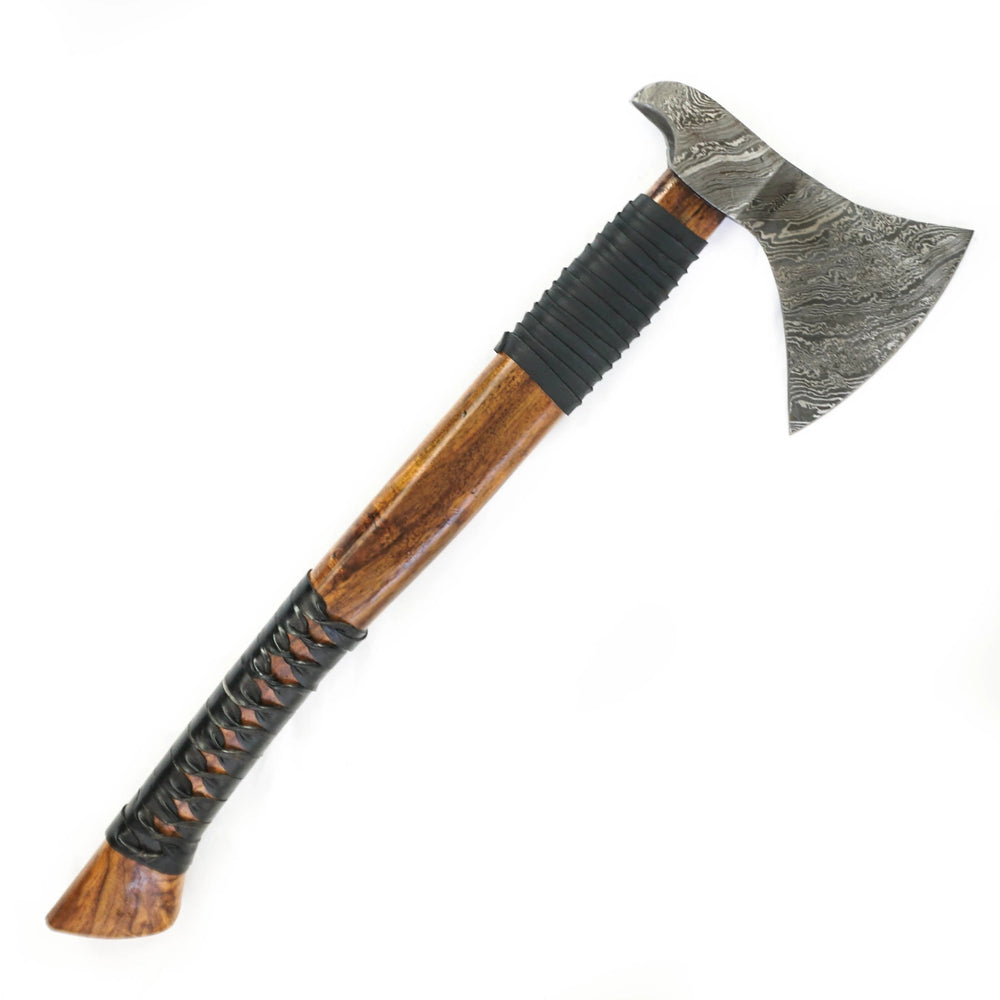
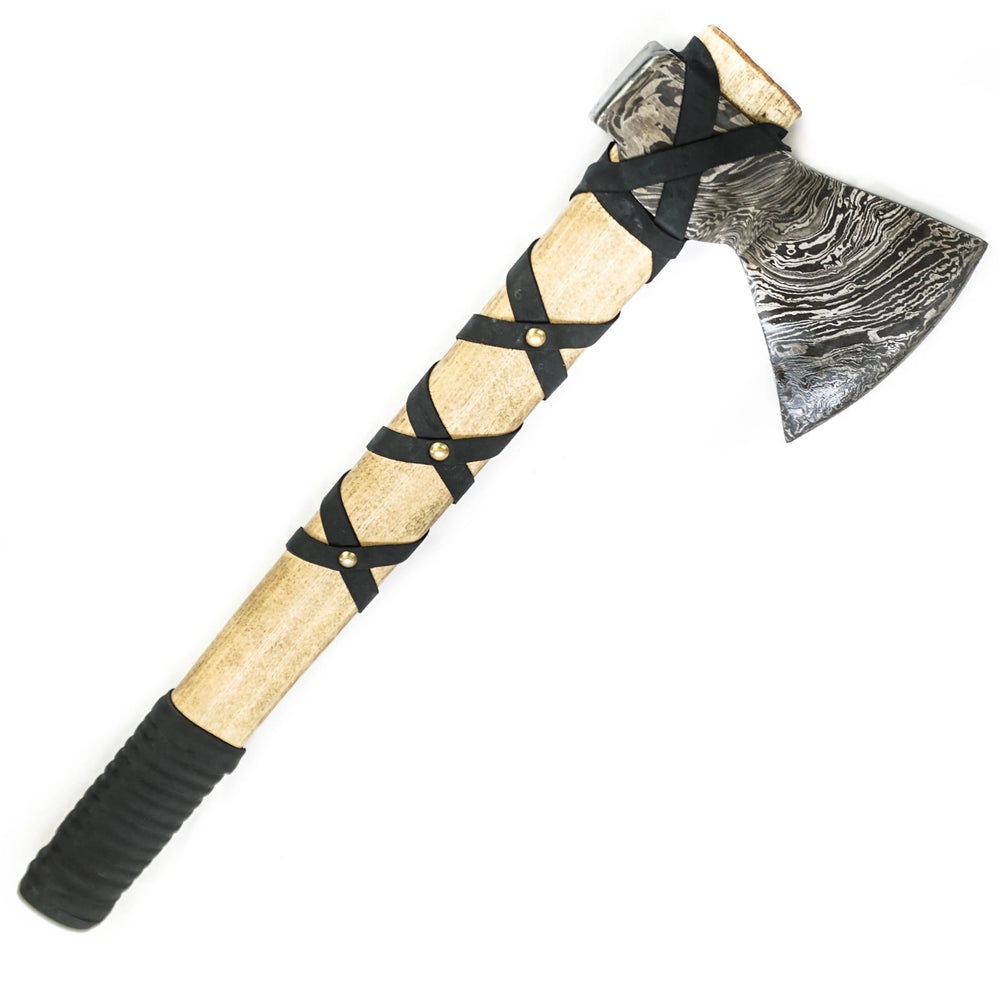
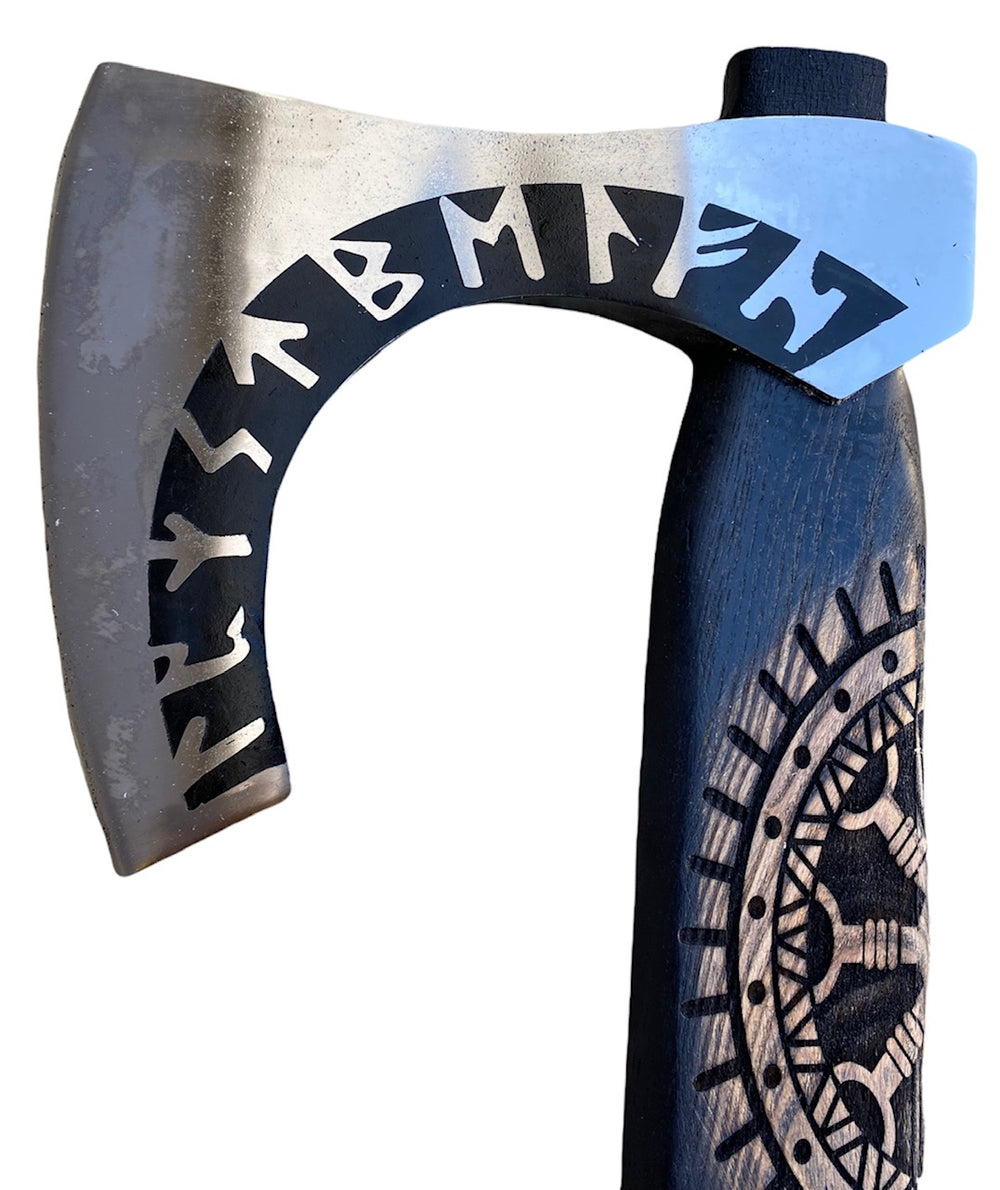
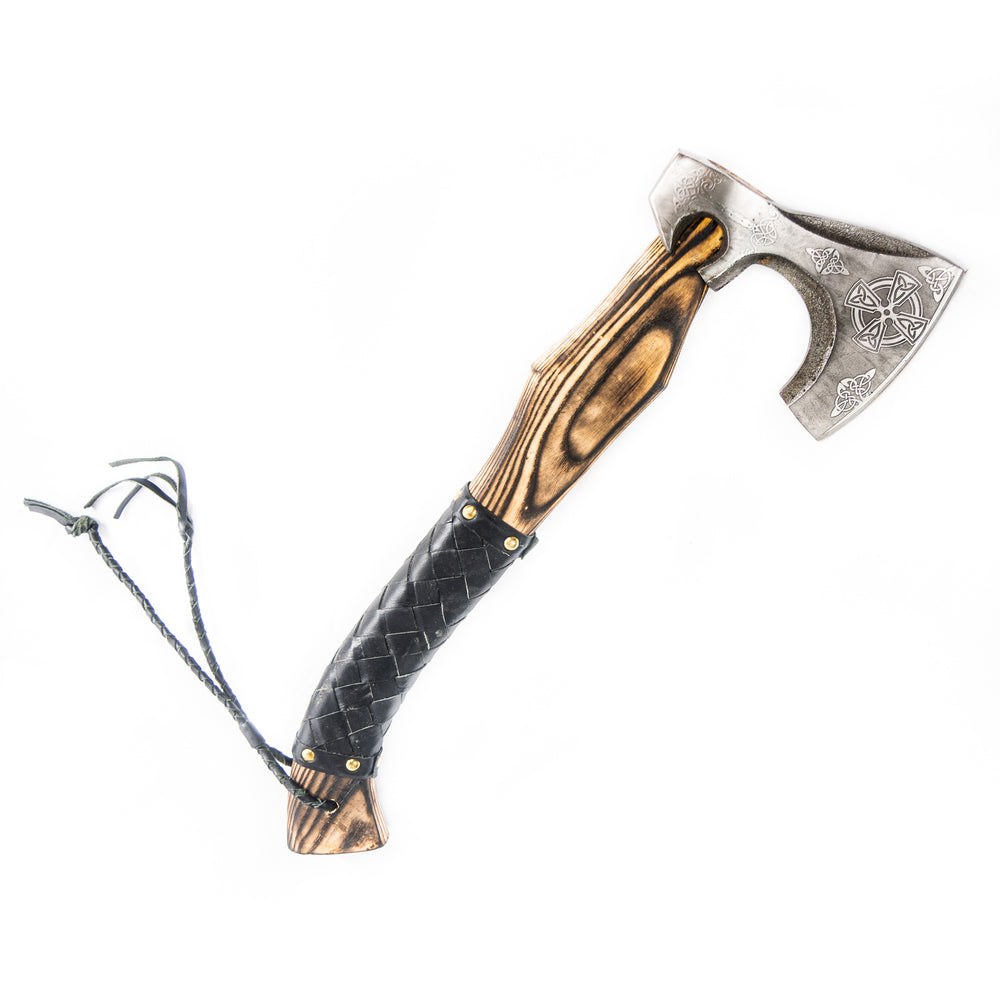
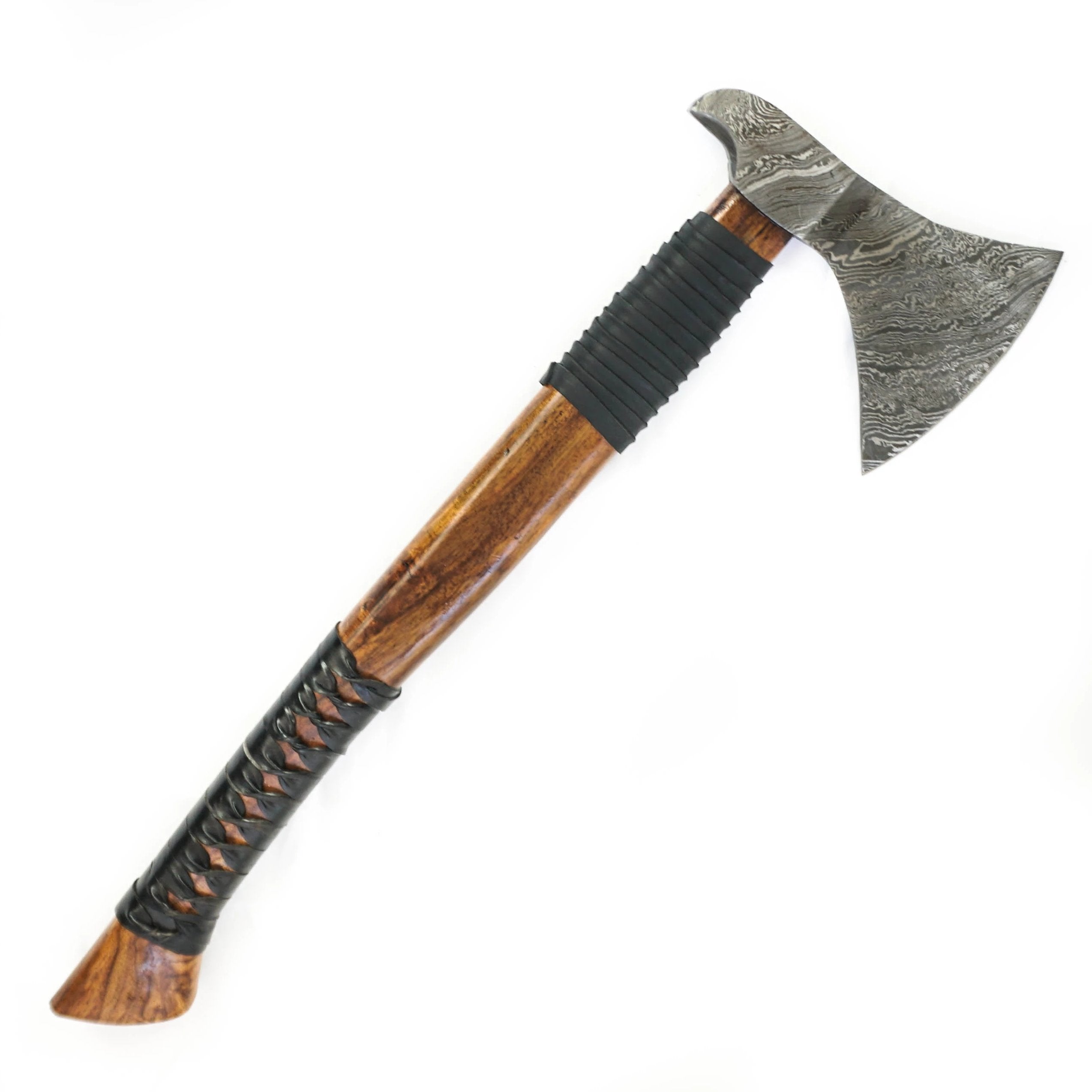
The axe, not the sword, was the weapon most Vikings actually carried. Swords were expensive; a good axe was a tool, a sidearm, and a shipmate's constant companion. Our Viking axes are hand-forged in high-carbon steel to the patterns the Norse actually used — the bearded axe with its hooked lower blade for catching shields and pulling shield walls apart, the long-hafted Dane axe that anchored the front of a battle line, and compact hand axes sized for a belt.
Every axe here is functional, not a wall decoration: full-tang or properly wedged hafts, edges that take real sharpening, and heads forged rather than cast. Whether you're outfitting for reenactment, HEMA-adjacent training, camp work, or a collection built around the Viking age, each piece is made to be used the way the originals were.
Battle-ready. Each axe is hand-forged from high-carbon steel with a properly secured haft, and can be sharpened to a working edge. They're built for reenactment, cutting practice, and field use — not just display. Decorative pieces are labeled as such on the product page.
We forge primarily in high-carbon steels such as 1095 and Damascus-patterned billets, chosen for edge retention and toughness. Historical Viking axes were wrought iron with a hardened steel edge; modern high-carbon steel gives you the same working character with better consistency.
Yes — the bearded axe (skeggøx) is one of the most common finds in Norse grave sites. The elongated lower blade ("beard") let a fighter hook an opponent's shield or ankle and choke up behind the head for close carving work, making it as practical around a farmstead as in a raid.
"Comp. Value" is a reference value for this item or a substantially similar item. It may be based on one or more of the following: prior Battling Blades pricing, comparable products, supplier or manufacturer pricing, marketplace pricing, or other retail reference data. It is provided for comparison only and is not a claim that this exact item was previously sold at the Comp. Value, that the Comp. Value is an MSRP, or that any specific retailer currently charges that amount. We make no representation that a purchaser will realize savings equal to the difference between the Comp. Value and our price.