

 Fast & Free Shipping
 30 day Money Back
 Secure Checkout
 Fast & Free Shipping
30 day Money Back
Secure Checkout
Fast & Free Shipping
30 day Money Back
Secure Checkout
Explore longswords inspired by medieval European sword design, knightly combat, historical warfare, fantasy worlds, and collector-grade display. This collection features two-handed and hand-and-a-half swords with longer blades, extended grips, strong crossguards, and the classic cruciform profile associated with medieval knights, armored warriors, and battlefield combat.
Longswords are among the most recognizable weapons in history. Designed for reach, leverage, and versatile handling, the longsword became closely associated with medieval Europe and its German, Italian, and broader knightly fighting traditions. Today, longswords remain popular with collectors, reenactors, martial artists, fantasy fans, and anyone looking for a sword with strong historical presence and visual power.
The longsword emerged in Europe during the late 13th and early 14th centuries, evolving from the one-handed knightly arming sword as longer grips allowed two-handed leverage against increasingly effective armor. It reached its height between roughly 1350 and 1550, carried by knights and men-at-arms on the battlefield and used in judicial duels, self-defense, and formal training.
This era produced a sophisticated body of fighting knowledge recorded in fencing manuals, or Fechtbücher. In the German tradition, the teachings of Johannes Liechtenauer and his successors codified longsword technique into a structured system of guards, strikes, and counters. In Italy, the master Fiore dei Liberi documented his own complete art of arms in the early 15th century. These surviving treatises are the foundation of modern Historical European Martial Arts (HEMA), which has revived longsword fencing as a living practice.
As plate armor advanced and firearms reshaped warfare in the 16th century, the longsword gradually gave way to lighter civilian swords like the rapier and to specialized two-handed greatswords carried by elite infantry. Yet the longsword never lost its grip on the imagination. It remains the archetypal knightly sword, instantly recognizable from history, fantasy, and film, and the centerpiece of countless collections today.
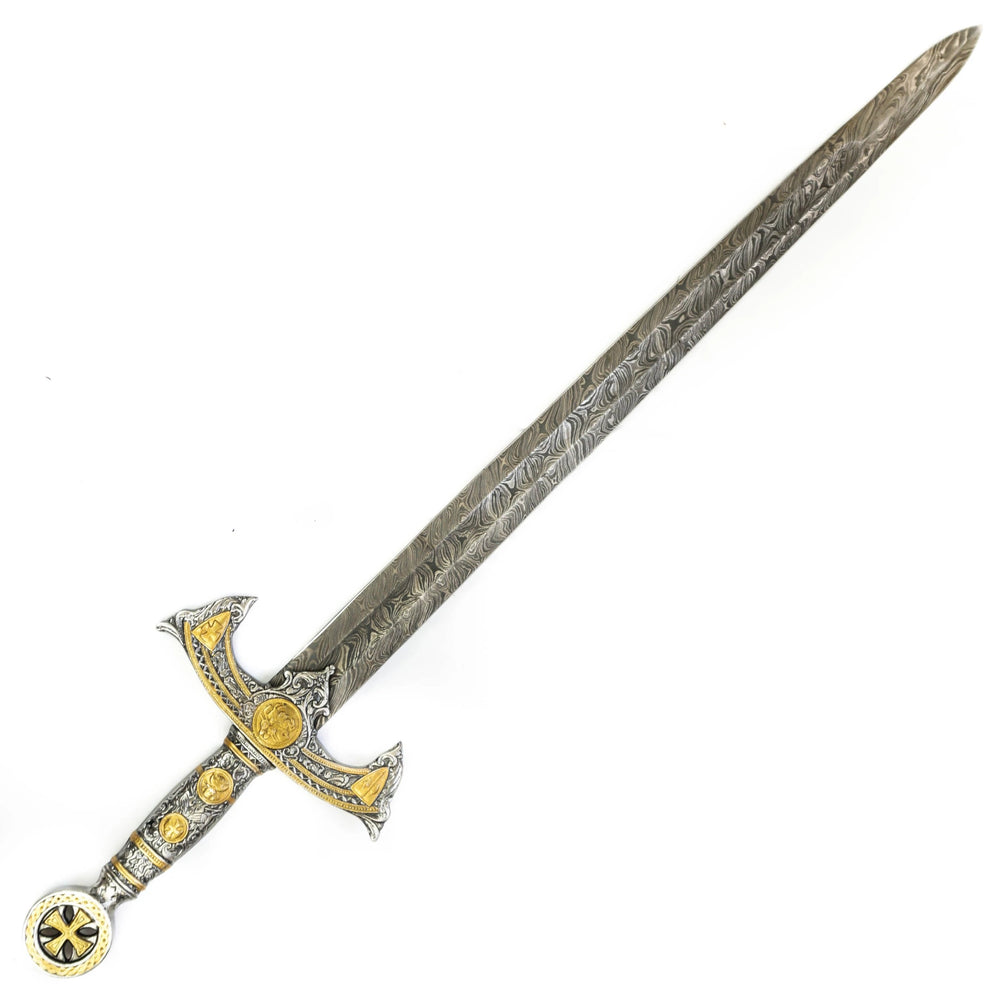
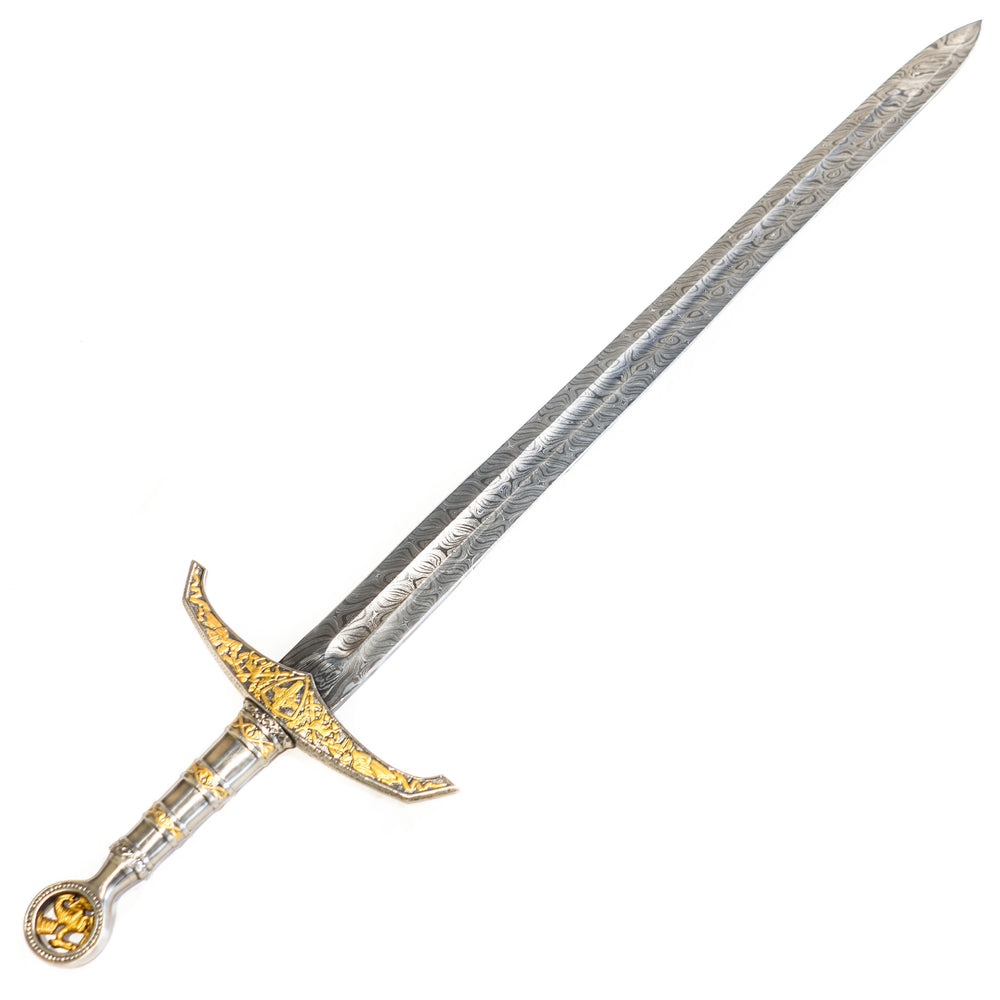
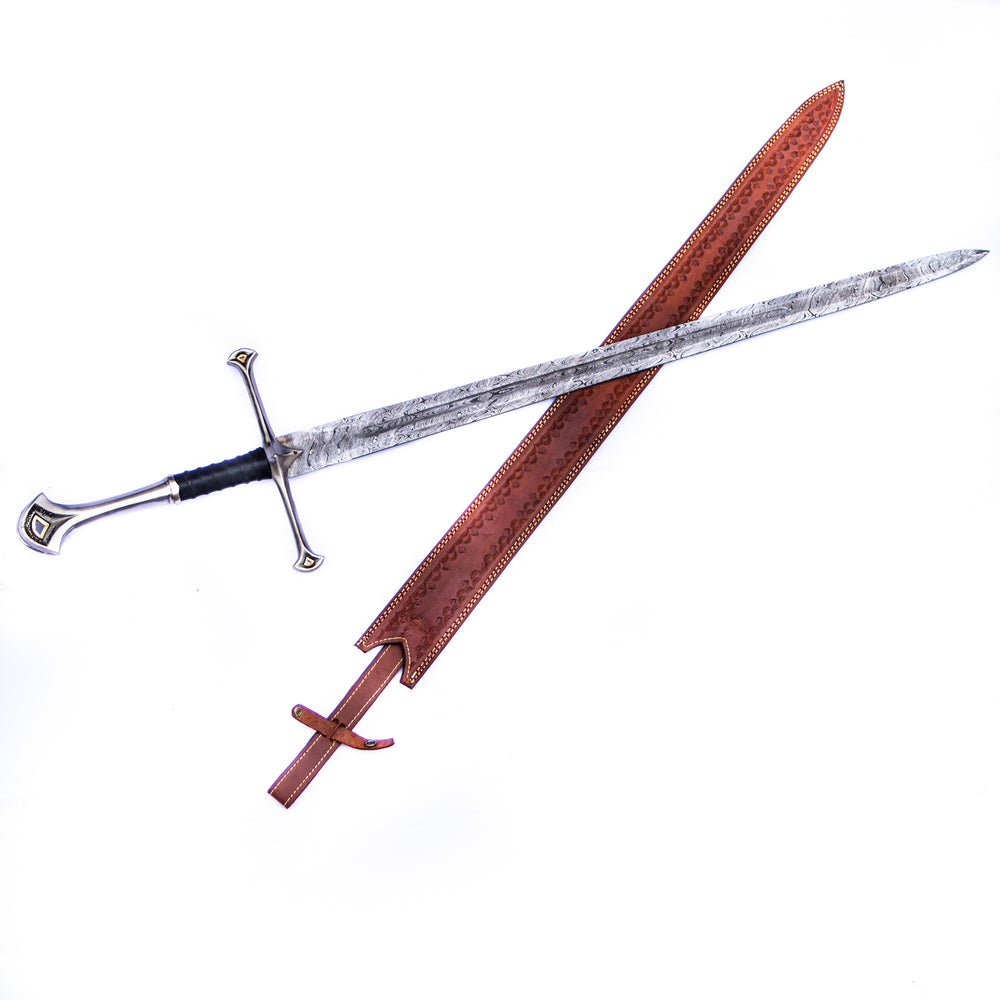
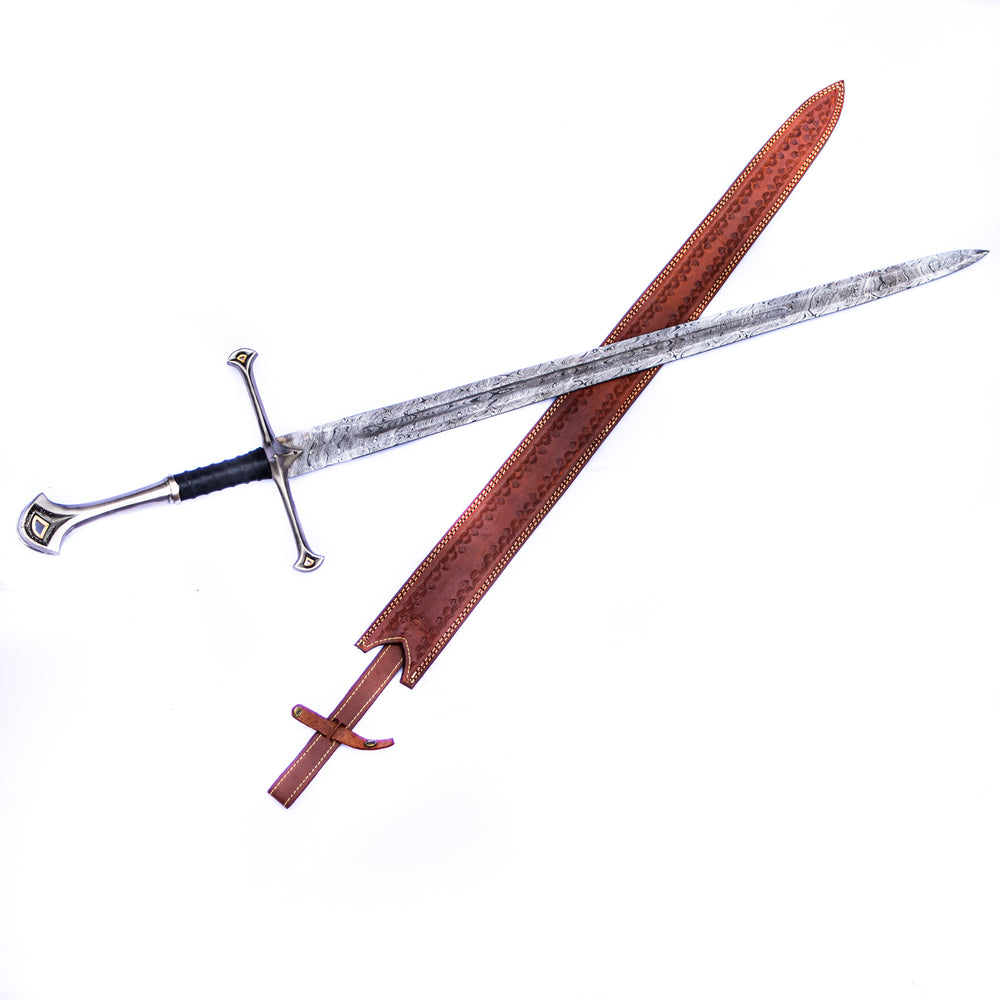
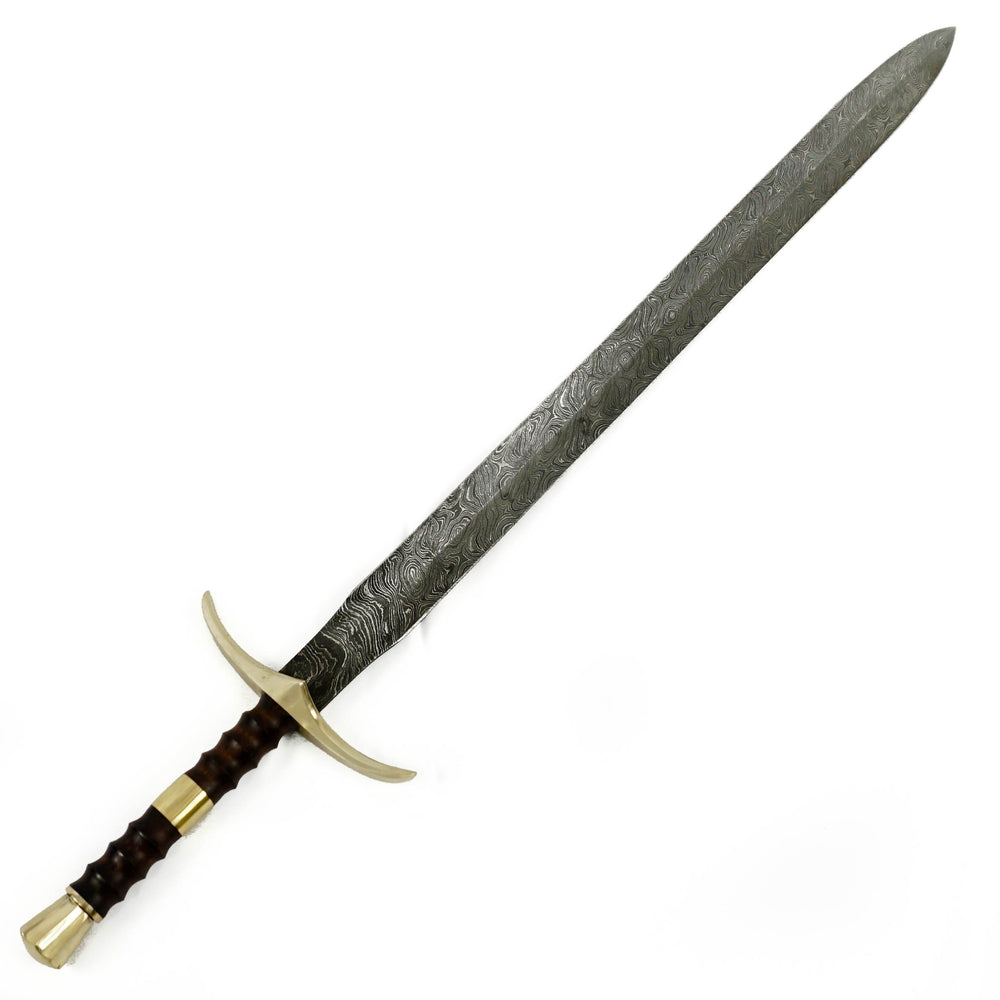
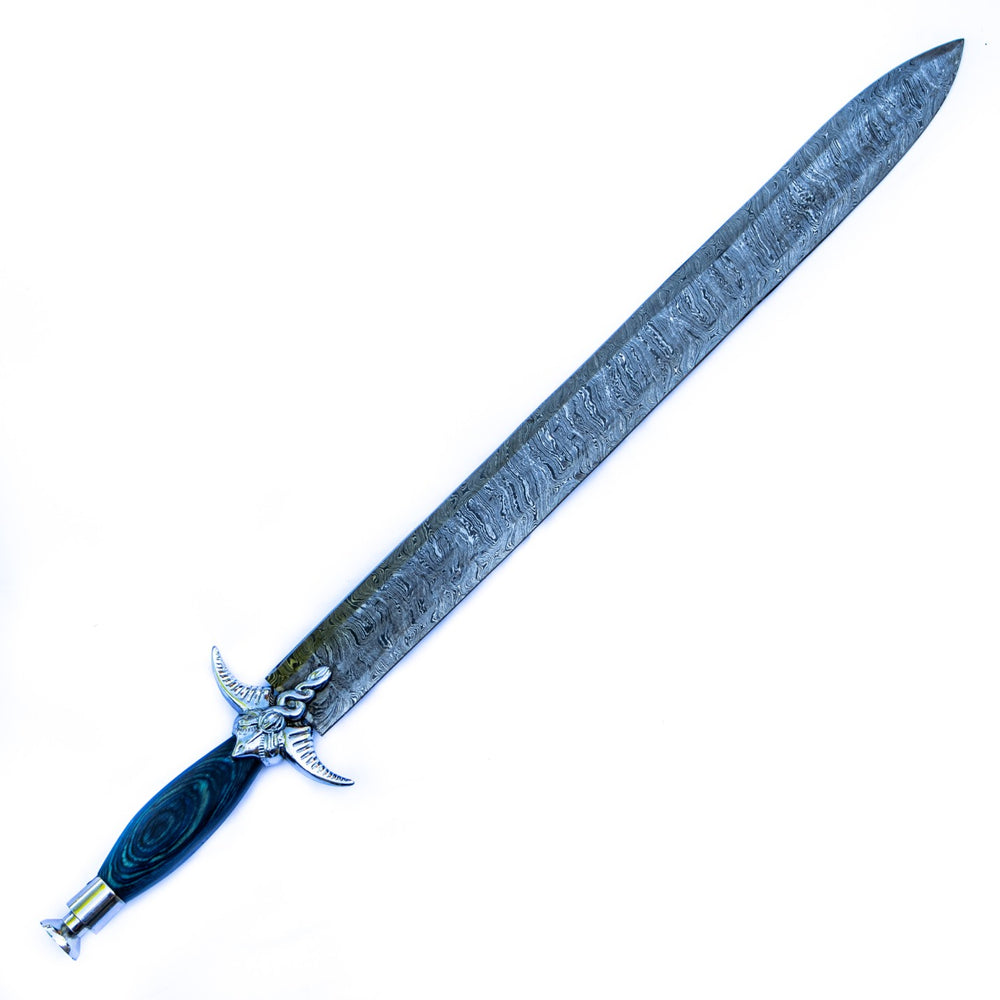
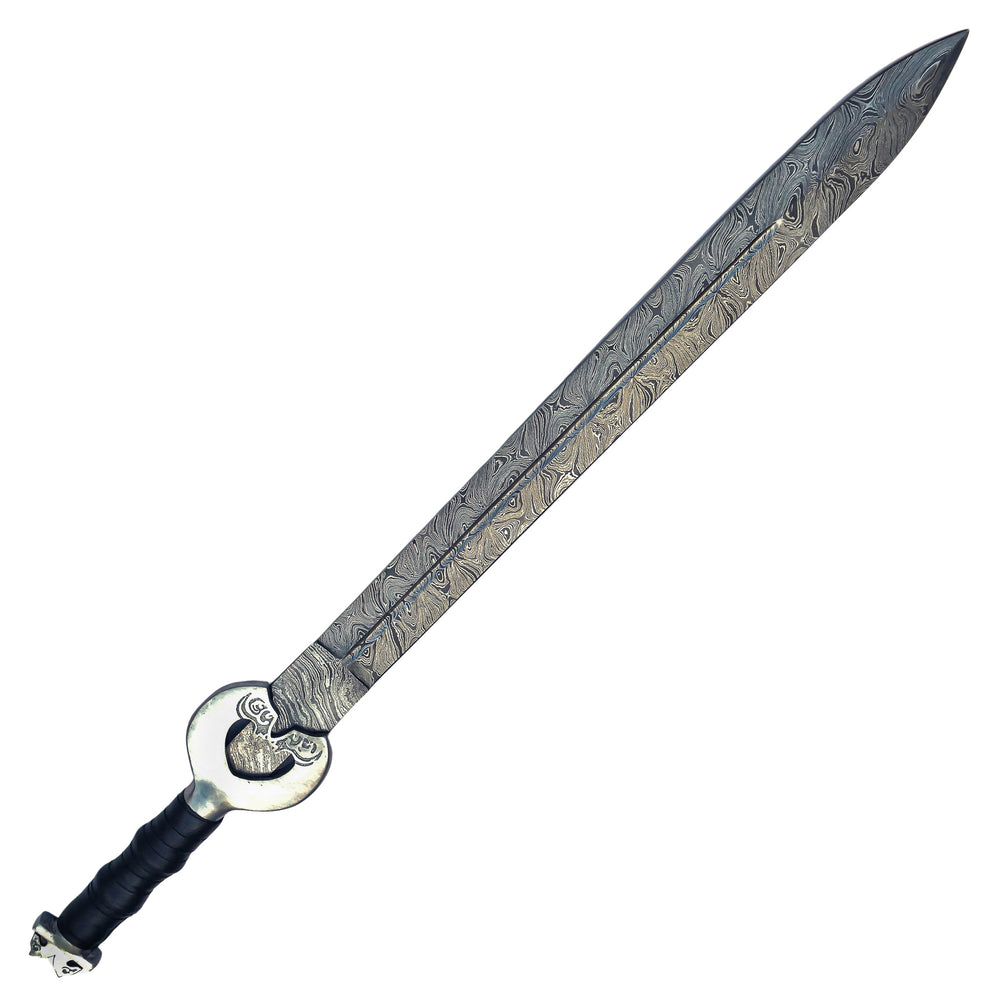
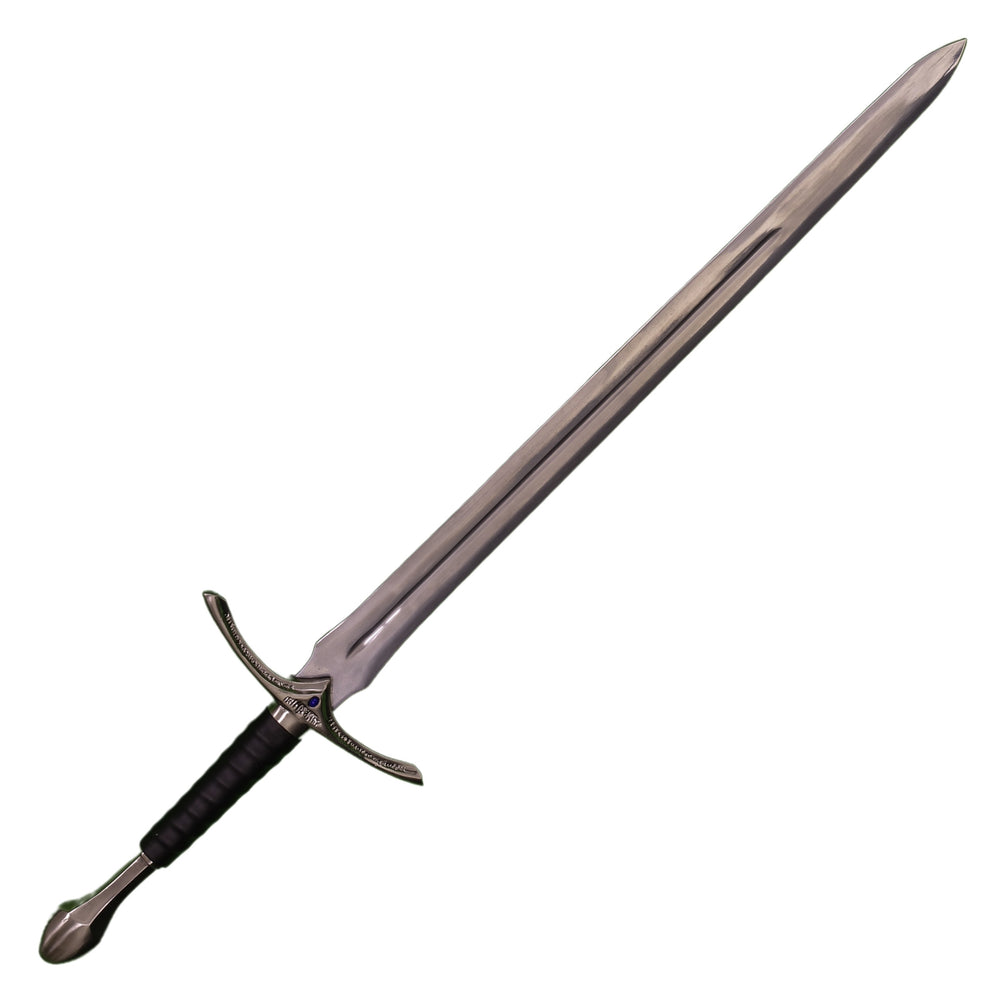
Our longsword collection spans several distinct types within the medieval European family. The classic longsword is a straight, double-edged blade with a cruciform hilt and a grip long enough for two hands. The bastard sword, also called a hand-and-a-half sword, belongs to the same family and takes its name from a grip that can be used with one or two hands, so the two terms overlap heavily. The two-handed greatsword and the German zweihänder are the larger cousins, with longer blades built for sweeping power and reach. Alongside these historical forms, we carry fantasy and decorative longswords, including dragon swords, king's swords, and bold display blades for collectors and costumes.
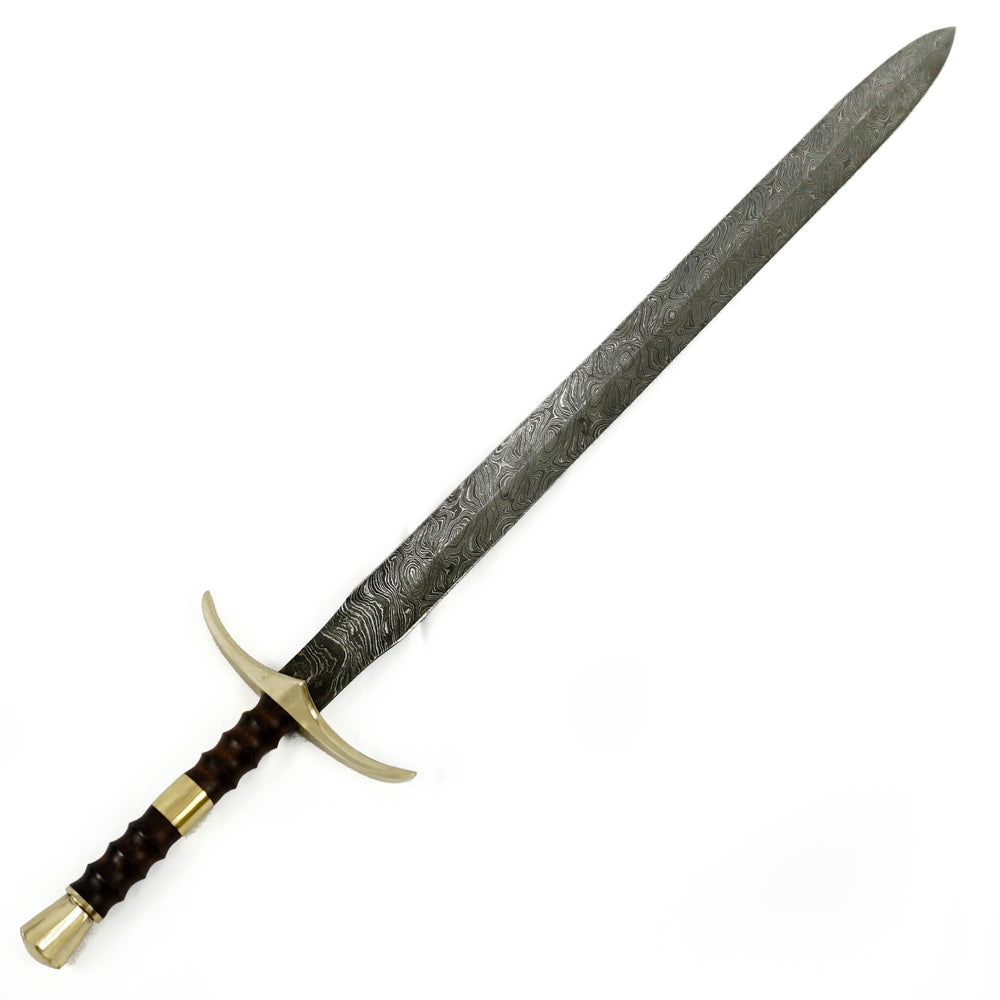
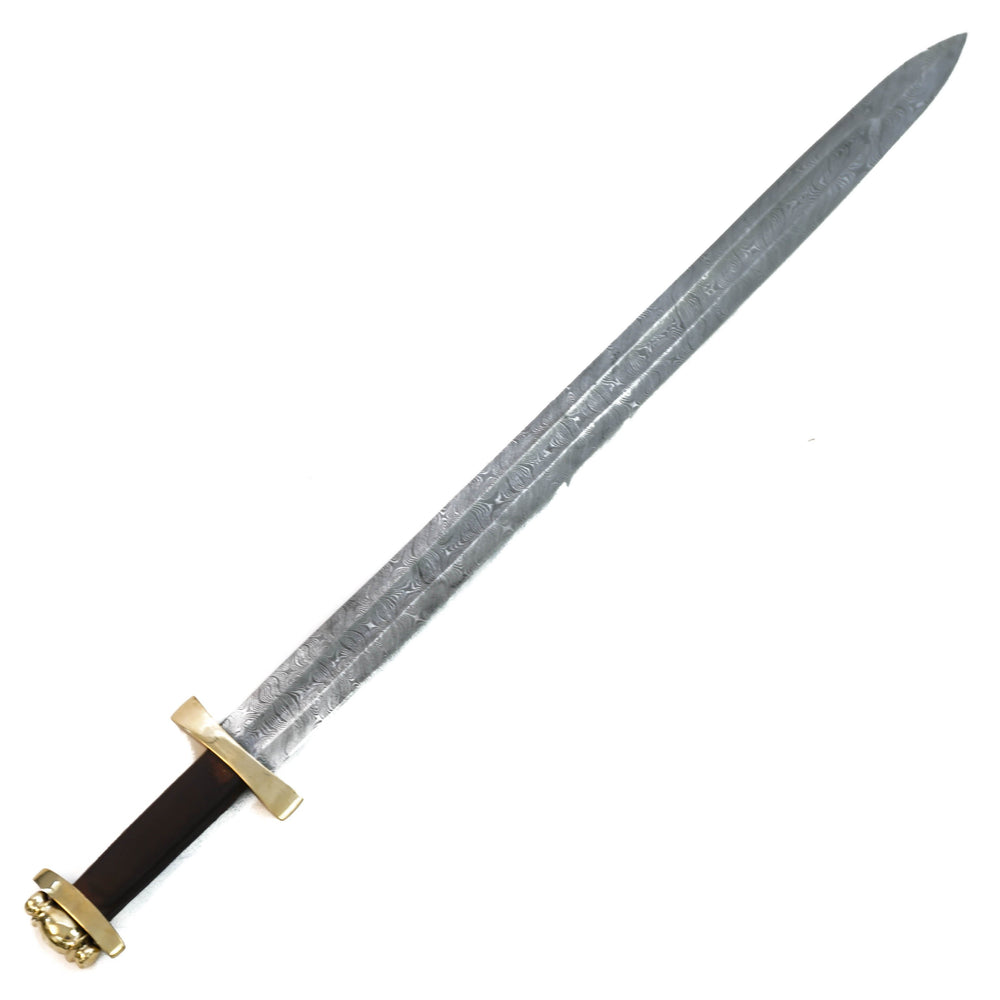
Our longswords are forged in three steels, each chosen for a purpose: high-carbon 1095 for durable, functional blades, with several clay-tempered for a harder edge and a more resilient spine, folded Damascus for one-of-a-kind layered patterns and premium collecting, and stainless steel for low-maintenance display and costume pieces. For a full breakdown of how these steels differ and which suits collecting, authenticity, or display, see our guide to sword steel.
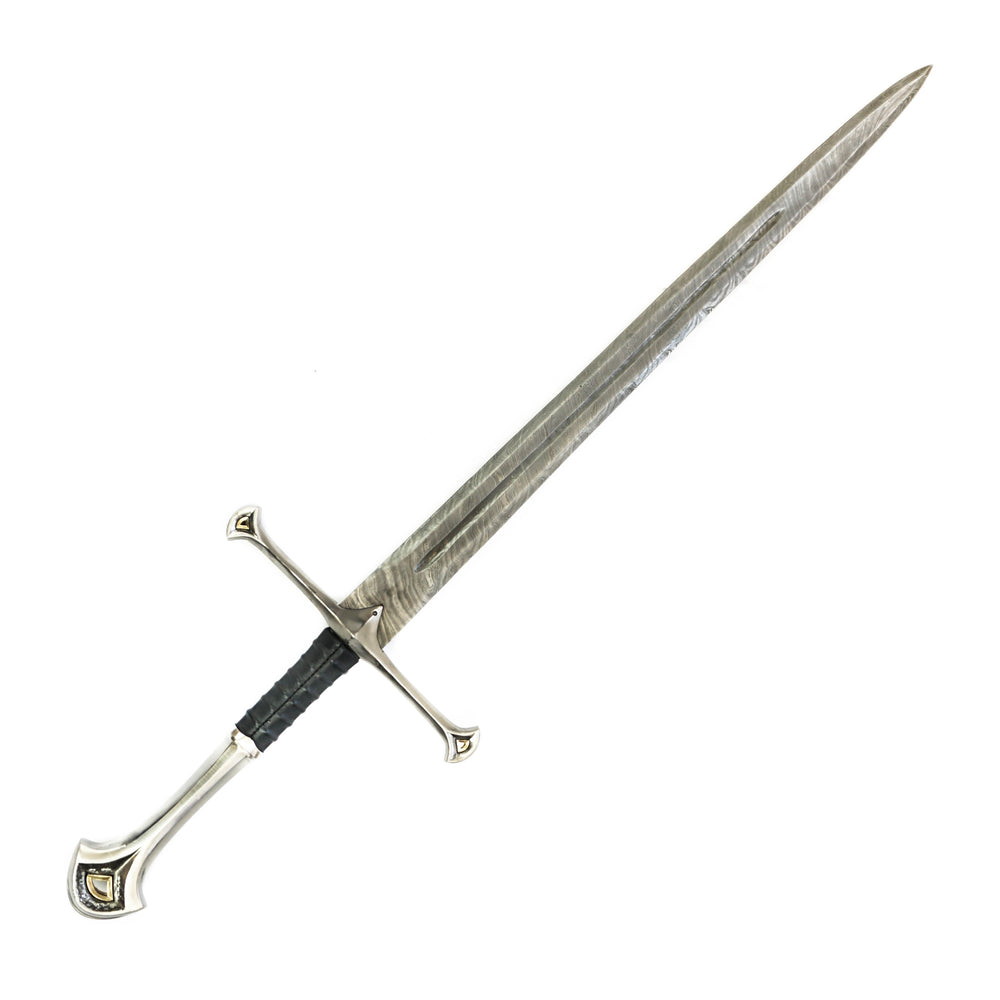
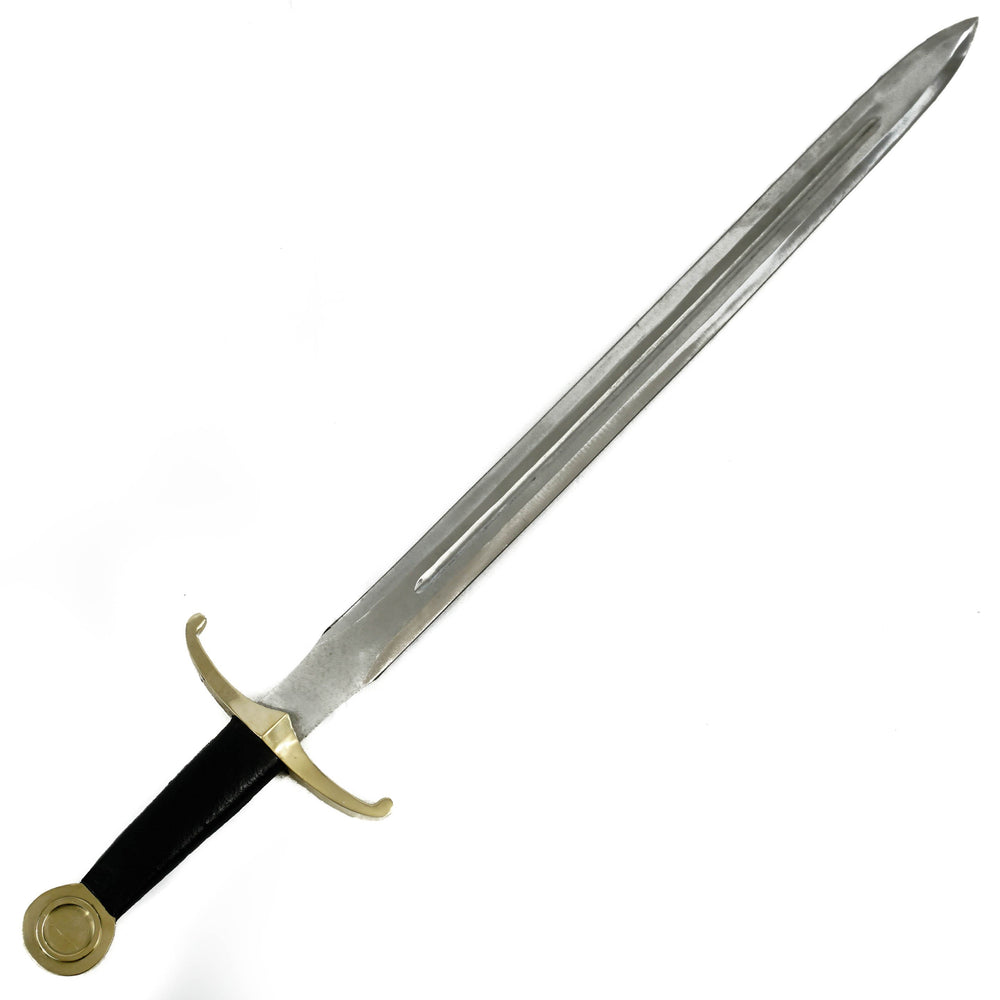
Understanding the parts of a longsword helps collectors and reenactors appreciate the design. The blade is double-edged and often carries a fuller, the shallow groove that lightens the blade without weakening it, ending in a point suited to thrusting. The crossguard, or quillons, protects the hand and separates the blade from the grip. The grip is typically wood wrapped in leather, long enough for two hands on a true longsword. The pommel at the end counterbalances the blade and locks the assembly together over the tang, the unseen extension of the blade that runs through the handle. A well-made longsword balances these parts so the sword feels lively in the hand rather than heavy.
Our longswords fall into two groups. The high-carbon 1095 swords are functional, full-tang blades made in the spirit of historical longswords, with the proportions, cruciform hilts, and traditional construction that appeal to collectors and reenactors who value authenticity and historical character. The stainless steel swords are decorative display pieces built for wall mounting, costumes, fantasy collections, and themed decor. Choose a carbon steel longsword when historical authenticity and a true full-tang build matter to you, and a stainless display sword when you want the look and presence of a medieval blade as an affordable centerpiece.
These longswords suit a range of purposes: historical European martial arts (HEMA) and longsword fencing, medieval reenactment and living history, target cutting practice with battle-ready blades, knight and warrior cosplay, fantasy and film-inspired collections, Renaissance faires and demonstrations, themed home and office decor, and collector display walls. Many customers also choose a longsword as a memorable gift for graduations, milestone birthdays, weddings, and achievements that call for something with presence and meaning.
Browse the collection to find medieval longswords, bastard and hand-and-a-half swords, two-handed greatswords, Damascus pattern blades, battle-ready 1095 cutters, and decorative fantasy longswords that fit your training, collection, or display.
A longsword is a straight, double-edged European sword with a cruciform hilt and a grip long enough to be held in two hands, most associated with the late medieval and Renaissance periods, roughly 1350 to 1550. Longsword blades typically run between about 33 and 43 inches, giving the weapon reach and leverage while remaining versatile enough for one or two-handed use.
There is very little difference, and the terms are often used interchangeably. A bastard sword, also called a hand-and-a-half sword, is a longsword whose grip allows comfortable use with either one or two hands. In practice, most longswords fit this description, so the distinction is more about emphasis than a hard category line.
They are not the same, despite how loosely the word broadsword is used in fantasy and film. Historically, a broadsword is a one-handed, broad-bladed cutting sword with a basket hilt, common in the 17th and 18th centuries, such as the Scottish broadsword. A longsword is an earlier medieval weapon with a cruciform hilt and a two-handed grip. If a sword has a long grip for both hands and a simple cross guard, it is a longsword, not a broadsword.
A typical longsword measures around 40 to 48 inches in total length, with a blade of roughly 33 to 43 inches and a grip of 6 to 10 inches. Two-handed greatswords and zweihänders run considerably longer, often 45 inches and up, while hand-and-a-half swords sit at the shorter end of the longsword range.
A greatsword is a large two-handed sword built for power and reach, longer and heavier than a standard longsword. The zweihänder is the German form, famously carried by specialized Renaissance infantry to break up pike formations. Both are wielded exclusively with two hands and make dramatic display pieces because of their size.
Our high-carbon 1095 longswords are built as functional, battle-ready blades suitable for cutting practice and training, and many are clay-tempered for added performance. Our stainless steel longswords are decorative display pieces and are not designed for cutting. Each product listing indicates the steel, so you can choose a battle-ready carbon blade or a stainless display sword to match your purpose.