Fast & Free Shipping
30 day Money Back
Secure Checkout

Swords for Sale

    Recently viewed

    Swords for Sale — Battle-Ready, Decorative, Historical, and Fantasy Swords

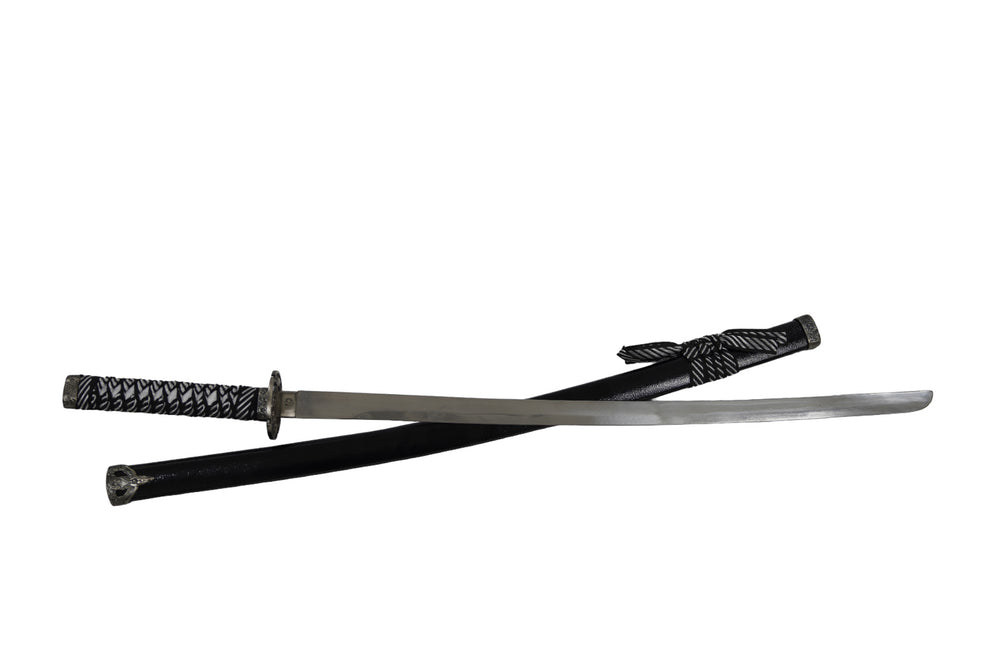
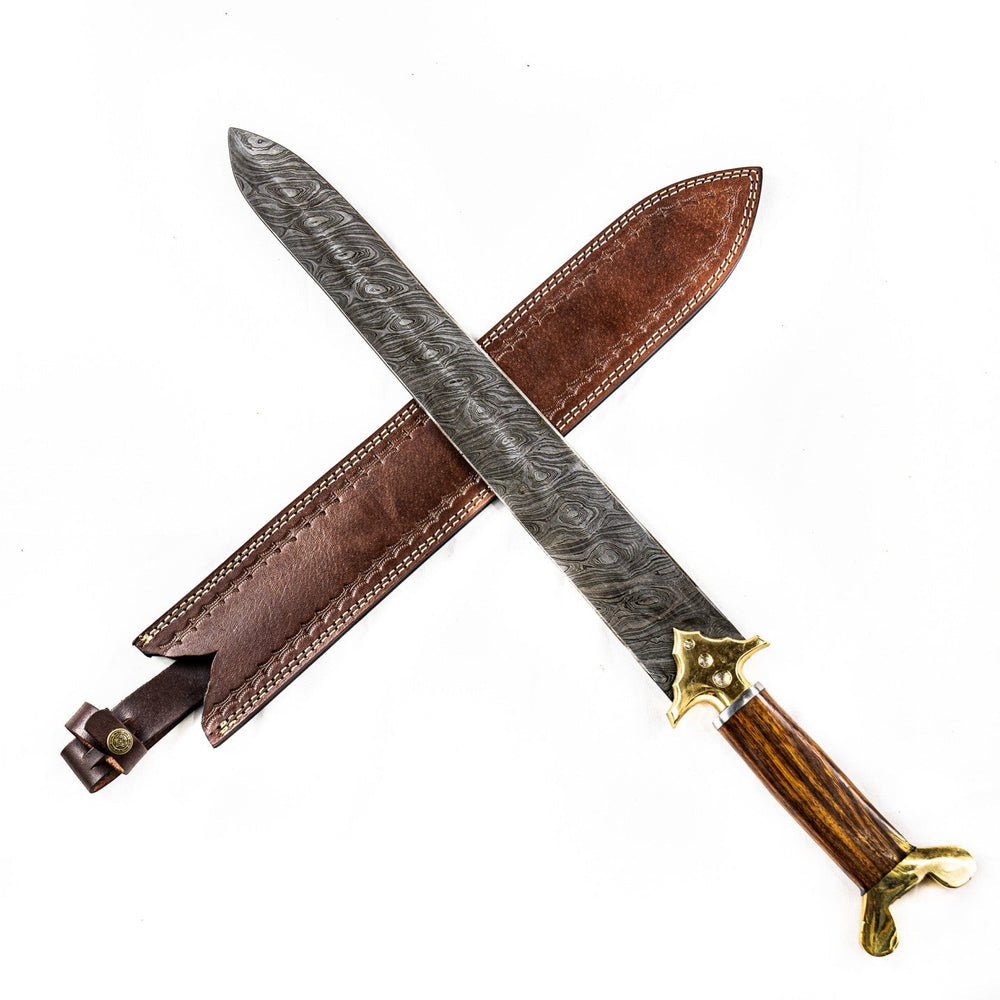
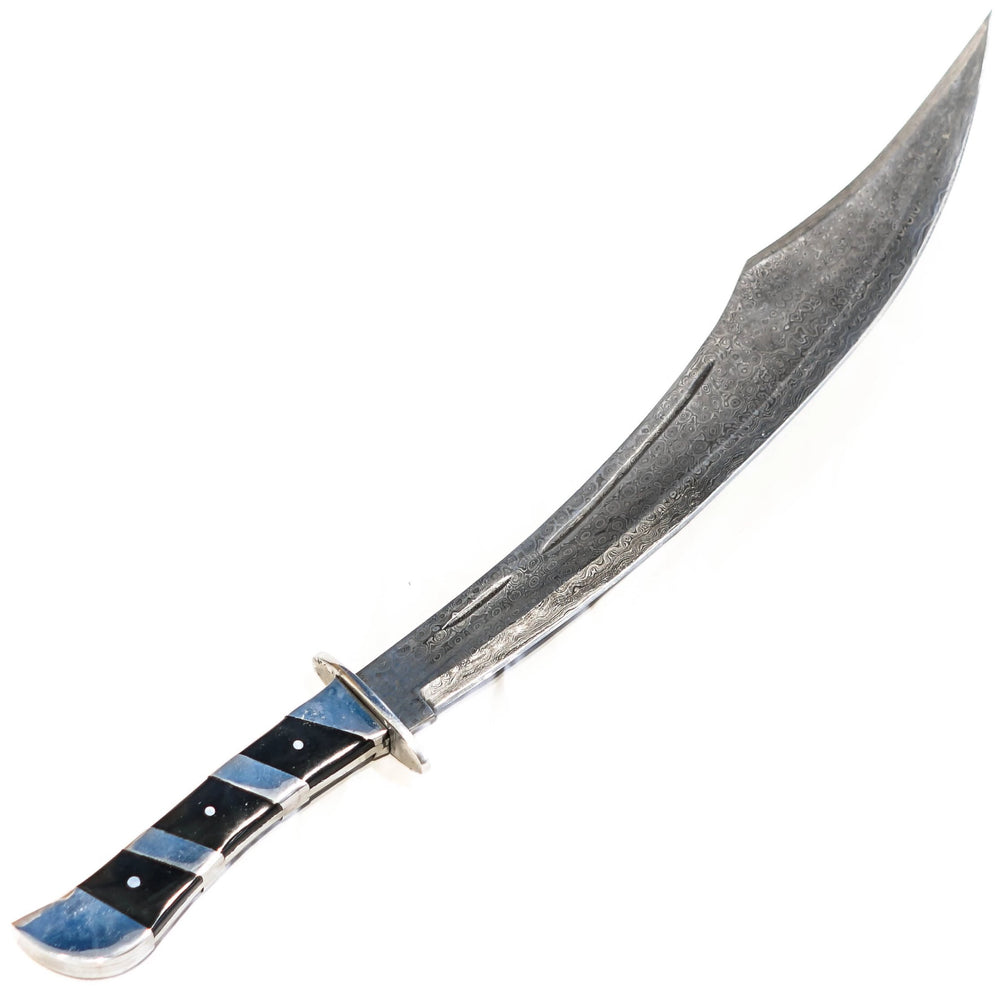
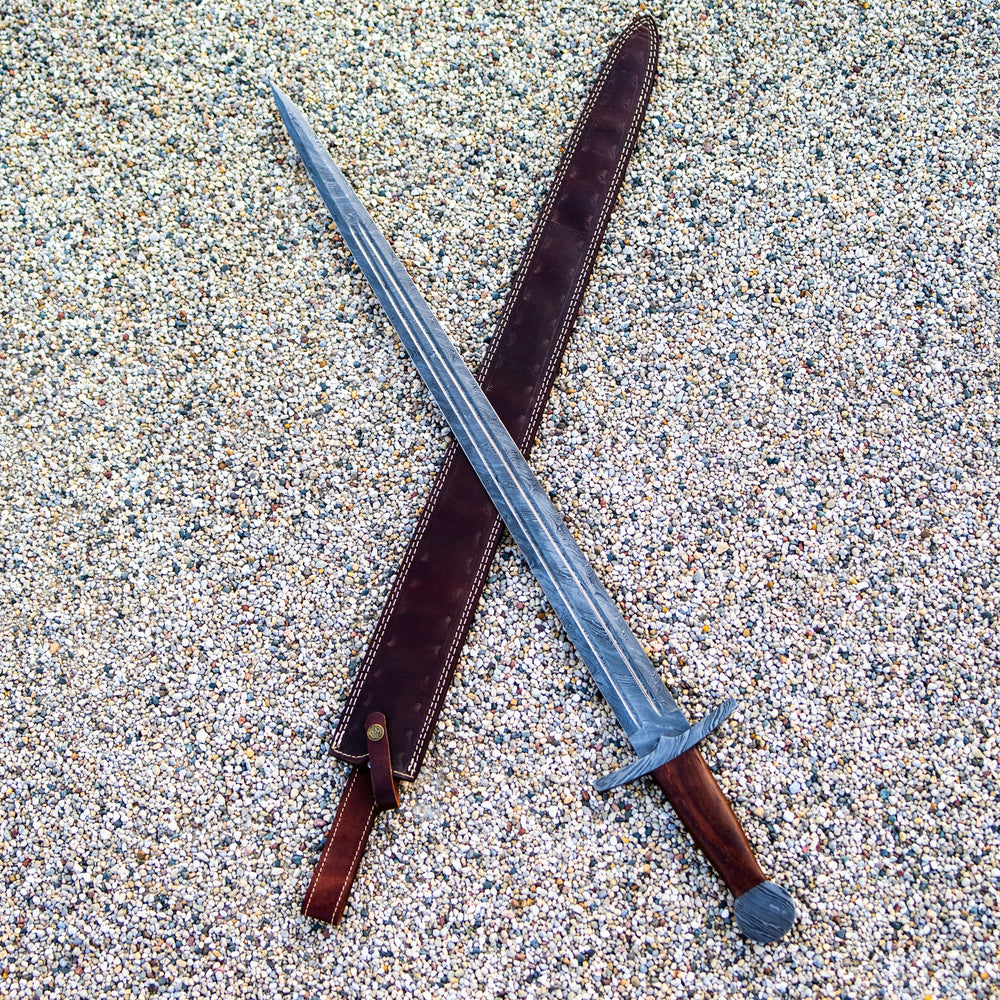
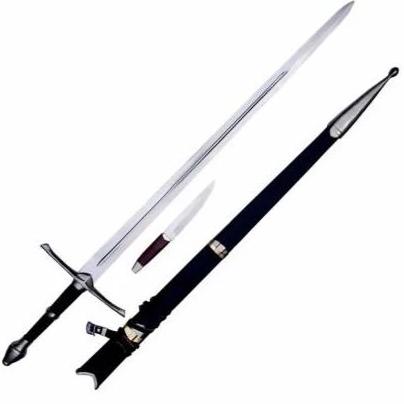
    Explore the complete Battling Blades sword catalog — battle-ready swords, decorative display blades, historical reproductions, fantasy and themed swords, and hand-forged collector pieces spanning every major sword tradition in world history. This collection brings together every sword we carry, from Japanese katanas and samurai swords to medieval European longswords, Scottish broadswords and claymores, Viking battle blades, Roman gladius swords, Renaissance rapiers, cavalry sabers, naval cutlasses, Chinese jian and dao, ancient Greek xiphos, and themed pop-culture inspired pieces. Whether you're a serious collector, martial artist, HEMA practitioner, reenactor, cosplayer, or first-time buyer searching for the perfect sword to buy online, this is where to start.

    A sword is more than a weapon. Across every culture that ever produced one, the sword has carried meaning beyond its function — status, lineage, ceremony, identity, art. Vikings named their swords and buried them with their owners. Samurai treated the katana as the embodiment of the warrior's soul. Scottish Highlanders carried broadswords as the physical expression of clan honor. Renaissance gentlemen wore rapiers as part of daily dress, both protection and proof of standing. Roman legionaries depended on the gladius to build an empire. Even today, militaries around the world maintain ceremonial swords for officer commissioning, retirement presentations, and dress occasions. To collect, train with, or display a sword is to engage with one of the most enduring human traditions in existence.

    Our sword catalog includes designs from every major sword culture: blades forged from high-carbon 1060, 1075, and 1095 steel, spring steel like 5160 and 9260 for serious cutting and HEMA practice, T10 tool steel for premium katanas, true pattern-welded Damascus and folded steel for traditional construction, and stainless steel for decorative display pieces. Handles range from leather-wrapped European grips to traditional Japanese tsuka, basket-hilted Scottish broadswords to elaborate Renaissance swept hilts, all built to match the historical or functional tradition of the sword type. Many are battle-ready full-tang construction suitable for cutting practice and reenactment use, while others are crafted as decorative pieces for wall display and themed home decor.

    Find Your Sword by Tradition

    Choosing the right sword starts with choosing the right tradition. Japanese swords — including katanas, wakizashis, tantos, and matched daisho sets — are the right choice for those drawn to samurai culture, iaido and kenjutsu martial arts, anime and manga aesthetics, or the refined geometry of nihonto blade-making. Medieval European swords — longswords, bastard swords, arming swords, and great swords — suit collectors of knightly tradition, HEMA practitioners studying Liechtenauer and Fiore manuscripts, and Renaissance faire participants. Scottish swords — claymores, basket-hilted broadswords, and Highland blades — are central to Scottish heritage celebrations, Jacobite reenactment, and Highland regimental tradition.

    Viking and Norse swords appeal to those drawn to Norse mythology, Viking-Age reenactment, Scandinavian heritage, and the visual signature of pattern-welded Damascus blades. Ancient swords — Roman gladius, Greek xiphos and kopis, Iberian falcata — fit classical history enthusiasts and ancient warfare reenactors. Renaissance and early modern swords — rapiers, smallswords, sabers, cutlasses — cover dueling tradition, Italian and Spanish fencing schools, cavalry history, and the age of sail. Chinese swords — jian, dao, butterfly swords, tai chi blades — serve traditional Chinese martial arts, wushu practice, and admirers of Chinese cultural tradition. Fantasy and themed swords draw on pop culture, anime, video games, fantasy literature, and original designs popular for cosplay and themed display.

    Battle-Ready vs. Decorative Swords

    Across every tradition in this catalog, swords broadly fall into two functional categories. Battle-ready swords feature full-tang construction, high-carbon or spring steel blades, and proper heat treatment suitable for cutting practice on tatami mats and water bottles, serious martial arts training, HEMA sparring with appropriately blunted training versions, and active reenactment use. Decorative swords are typically made from stainless steel with partial tangs and are designed for wall display, costume use, cosplay, theatrical productions, and themed home decor. Both serve genuine purposes — choose battle-ready when you intend to cut or train, and decorative when visual impact and display are the priority. Training swords, including blunt feders for HEMA, unsharpened iaito for iaido, bokken and shinai for kendo, and synthetic wasters for safer sparring, fill the specific needs of active martial arts practice.

    Who Buys Swords?

    Sword ownership today spans a remarkably diverse range of people. Serious collectors build curated displays of historical reproductions and hand-forged pieces. Martial artists train with battle-ready blades for cutting practice, sparring, and form work. Historical reenactors carry period-accurate swords at events from SCA combat tournaments to Viking festivals, Renaissance faires, Civil War commemorations, and Highland games. Cosplayers and theatrical performers use decorative swords for costume and stage work. Veterans and military officers carry ceremonial sabers at commissioning ceremonies, retirements, and dress occasions. Gift-buyers choose swords as memorable presents for graduations, milestone birthdays, weddings, anniversaries, and significant life events. Fans of pop culture acquire themed swords from anime, video games, films, and fantasy literature. Heritage enthusiasts honor their Scottish, Norse, Japanese, or other ancestral roots through culturally significant blades.

    Browse the full sword catalog below, filter by tradition or sword type using the navigation, or explore individual collections — katanas, longswords, claymores, Viking swords, rapiers, sabers, gladius swords, and more — to find the perfect blade for your collection, training, or display.

    Frequently Asked Questions

    What's the difference between a battle-ready sword and a decorative sword? A battle-ready sword features full-tang construction (the blade extends through the entire handle), high-carbon or spring steel, and proper heat treatment — making it structurally sound for cutting practice, martial arts training, and reenactment use. A decorative sword is typically stainless steel with a partial or rat-tail tang, designed for visual impact in wall displays, cosplay, and themed decor rather than actual cutting. Decorative swords can bend, break, or fail dangerously if used to strike anything — always confirm a sword is rated battle-ready before attempting any cutting or sparring use.

    What is the most popular type of sword? Among modern buyers, the katana is consistently the most popular sword type worldwide, driven by samurai culture, martial arts traditions, anime and film, and the katana's iconic curved silhouette. Medieval European longswords and bastard swords rank second, popular among HEMA practitioners and fans of knightly tradition. Scottish claymores and broadswords, Viking swords, and fantasy and themed pieces round out the top tiers. Different traditions appeal to different buyer interests, so the "best" sword depends on what you're drawn to and what you plan to do with it.

    What sword should a beginner buy first? For a first sword, the right choice depends on your goals. If you want a sword to display and admire, choose any decorative or battle-ready piece from a tradition that resonates with you — Scottish heritage, Japanese culture, medieval European history, or fantasy themes. If you want to begin cutting practice or martial arts training, start with a battle-ready full-tang sword in a forgiving steel like 1060 carbon or 9260 spring steel, suited to your chosen tradition (katana for iaido and tameshigiri, longsword or feder for HEMA, basket-hilted broadsword for Scottish broadsword study). Avoid extremely high-end pieces as a first purchase — start with something good but affordable, develop your taste and skill, then upgrade.

    How do I display a sword at home? Use a dedicated sword display stand or wall mount — vertical or horizontal mounts, tabletop stands, or traditional katana kake racks for Japanese swords. Anchor wall mounts into studs rather than drywall alone (a steel sword can weigh several pounds, and a falling blade is a serious hazard). Position swords away from direct sunlight, heating vents, and high-humidity areas like bathrooms, all of which damage finishes, leather, and wood components. For battle-ready carbon steel swords, apply a thin film of choji oil or mineral oil every few months to prevent rust.

    Are swords a good gift? Yes — a quality sword is one of the most memorable and lasting gifts available, suitable for milestone birthdays, graduations, weddings, military retirements, anniversaries, and significant life achievements. Swords carry cultural weight that few other gifts match, and a well-chosen sword from a tradition meaningful to the recipient becomes a permanent keepsake. Match the sword to the recipient's interests — Japanese culture, Scottish heritage, medieval history, fantasy fandom, military service — and choose between battle-ready and decorative based on whether they'll train with it or display it. Many swords can also be engraved or personalized for added significance.