

 Fast & Free Shipping
 30 day Money Back
 Secure Checkout
 Fast & Free Shipping
30 day Money Back
Secure Checkout
Fast & Free Shipping
30 day Money Back
Secure Checkout
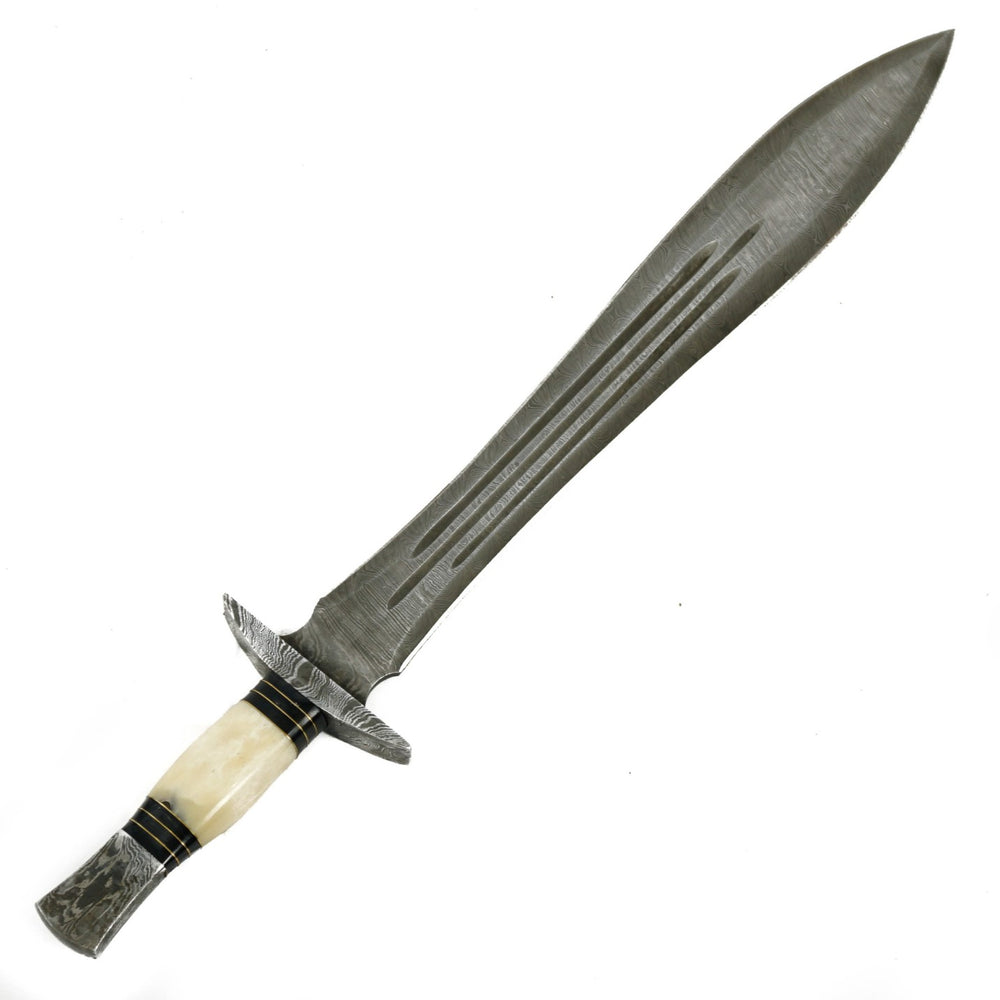
Explore Viking swords inspired by the legendary weapons carried by Norse warriors, raiders, and chieftains during the Viking Age (793–1066 AD). This collection includes battle-ready Viking swords, decorative Norse blades, pattern-welded Damascus replicas, and museum-quality reproductions designed for collectors, reenactors, martial artists, cosplayers, and anyone drawn to Viking and Norse history.
The Viking sword was the most prestigious weapon of the Norse warrior — a status symbol as much as a fighting tool. Forged from pattern-welded steel and often passed down as family heirlooms, these swords accompanied Vikings on raids from the British Isles to Constantinople, on settlement voyages to Iceland and Greenland, and into burial mounds across Scandinavia. The most famous examples — the Ulfberht swords — bore an inlaid signature mark and were forged from steel of remarkable purity, far ahead of their time.
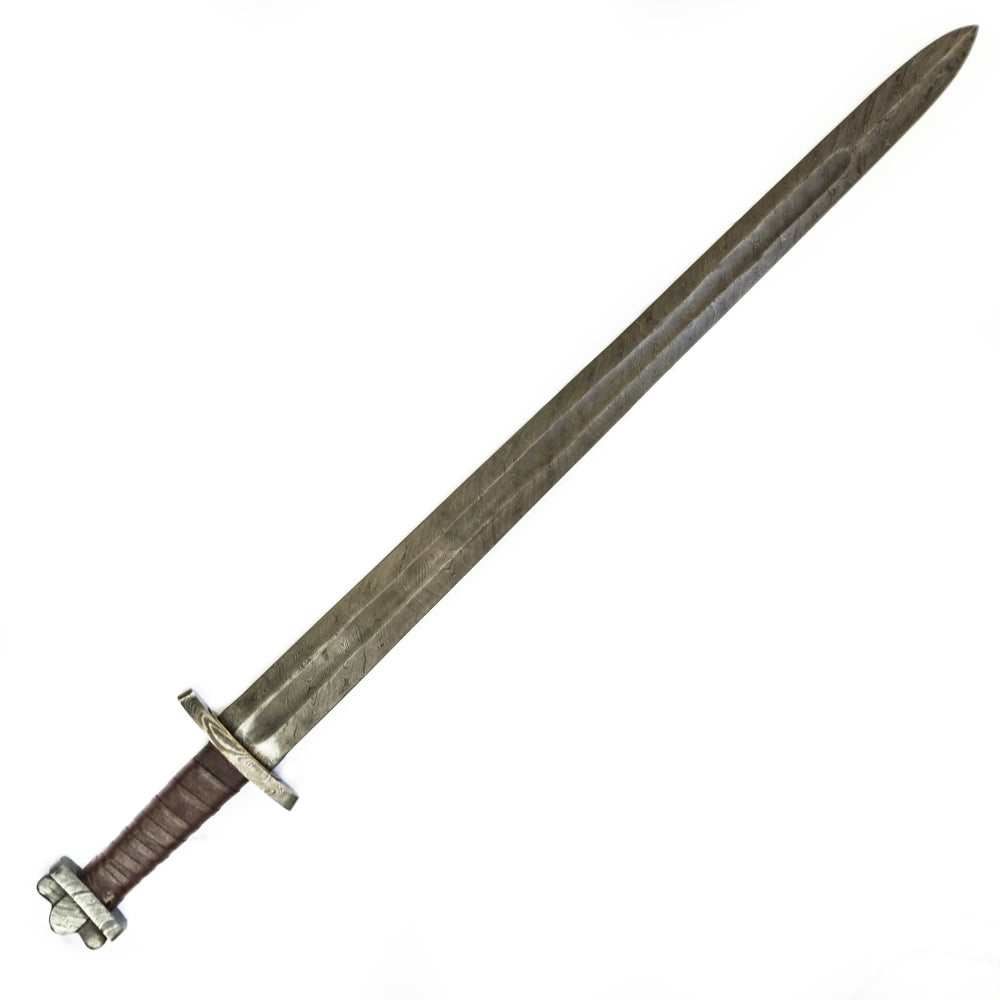
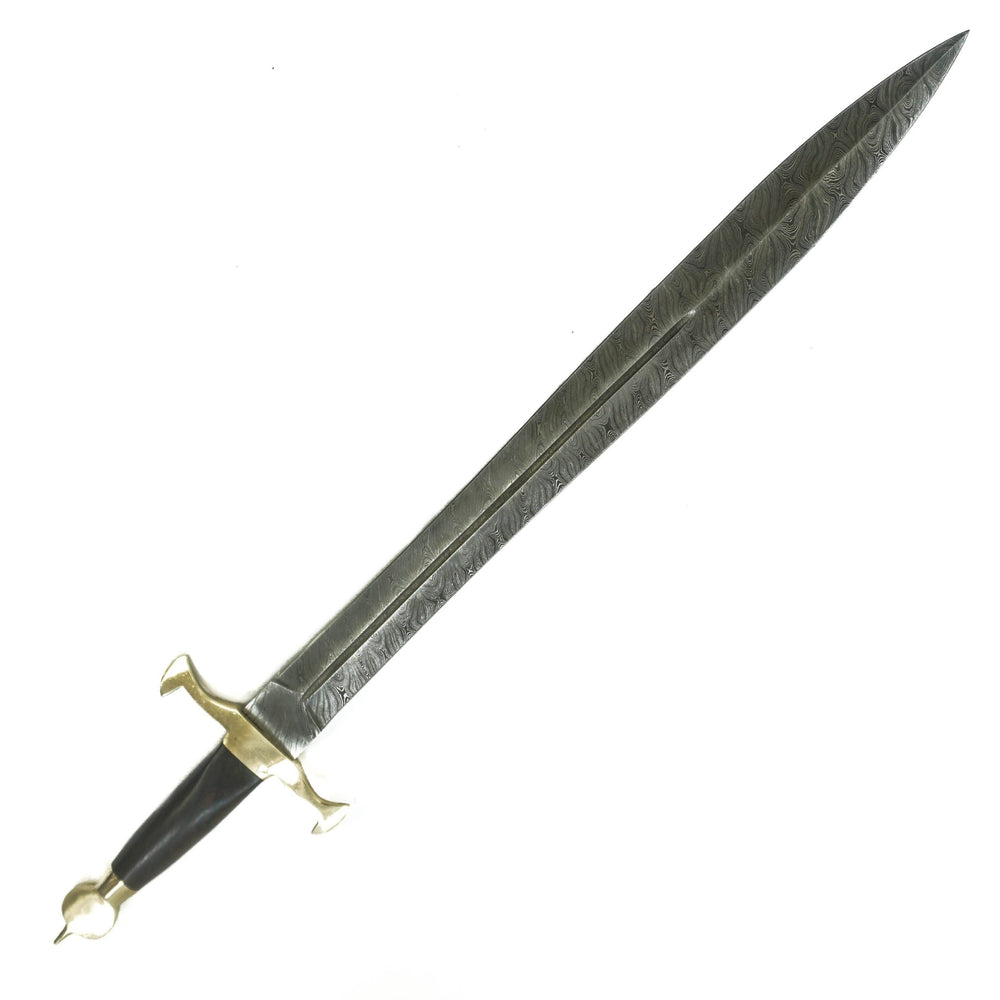
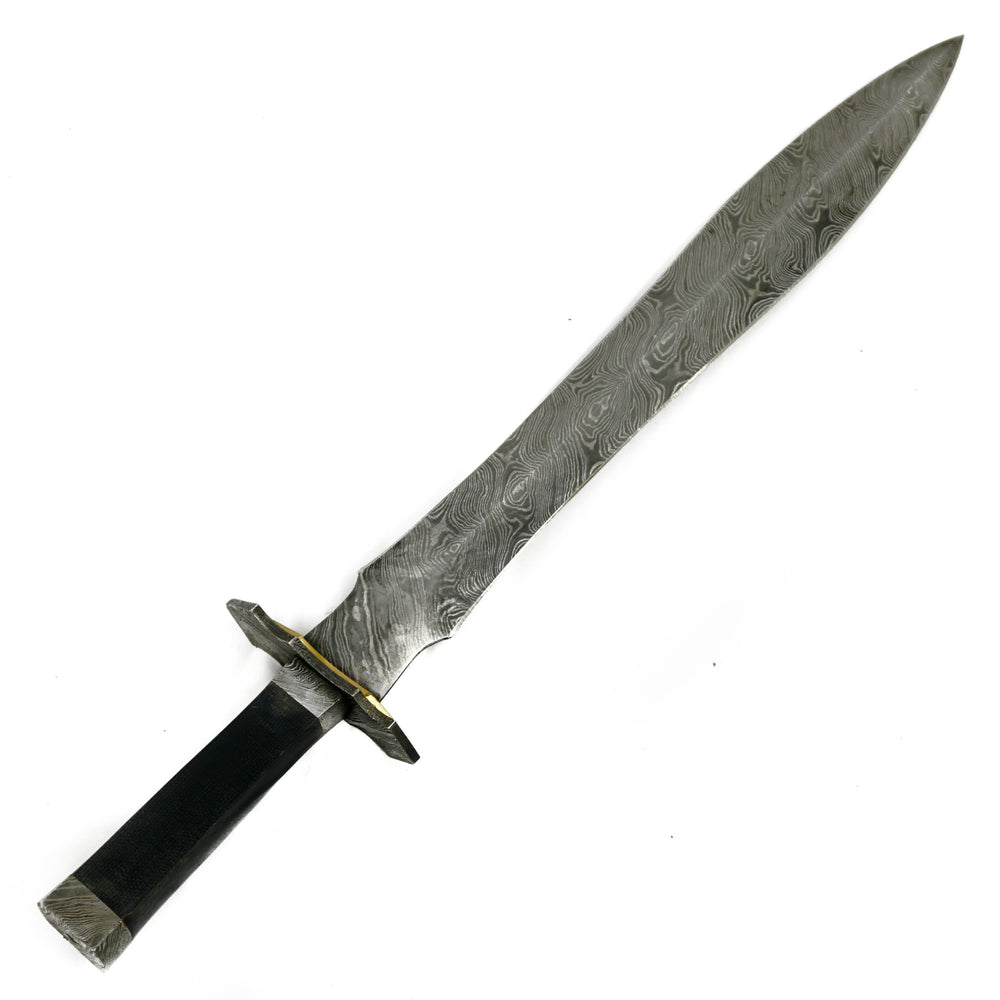
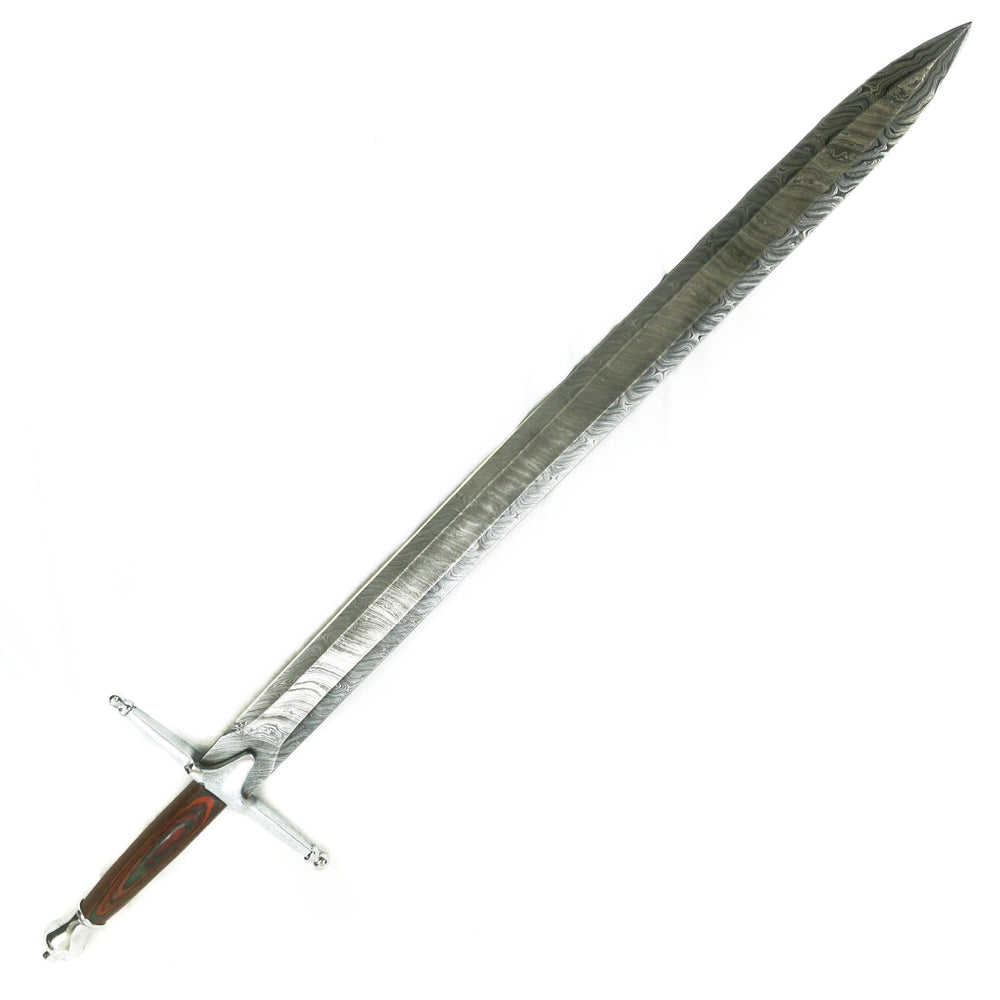
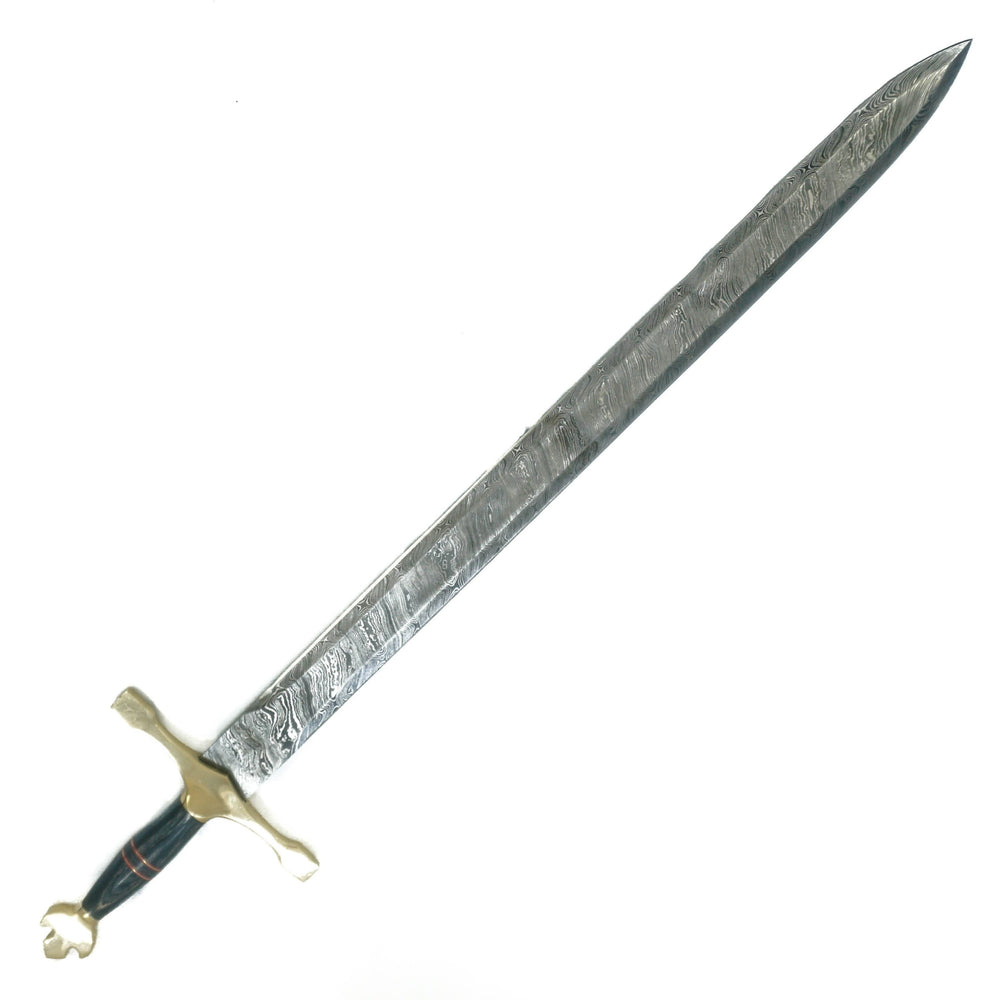
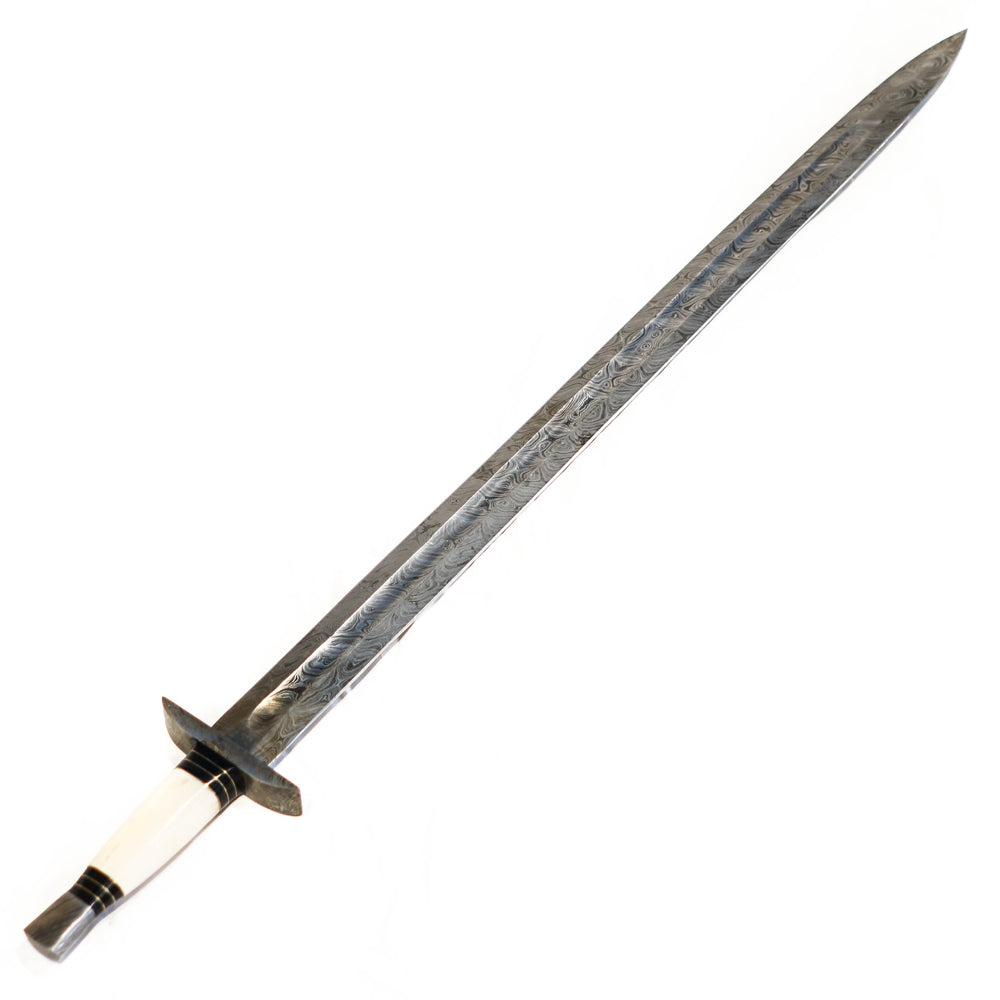
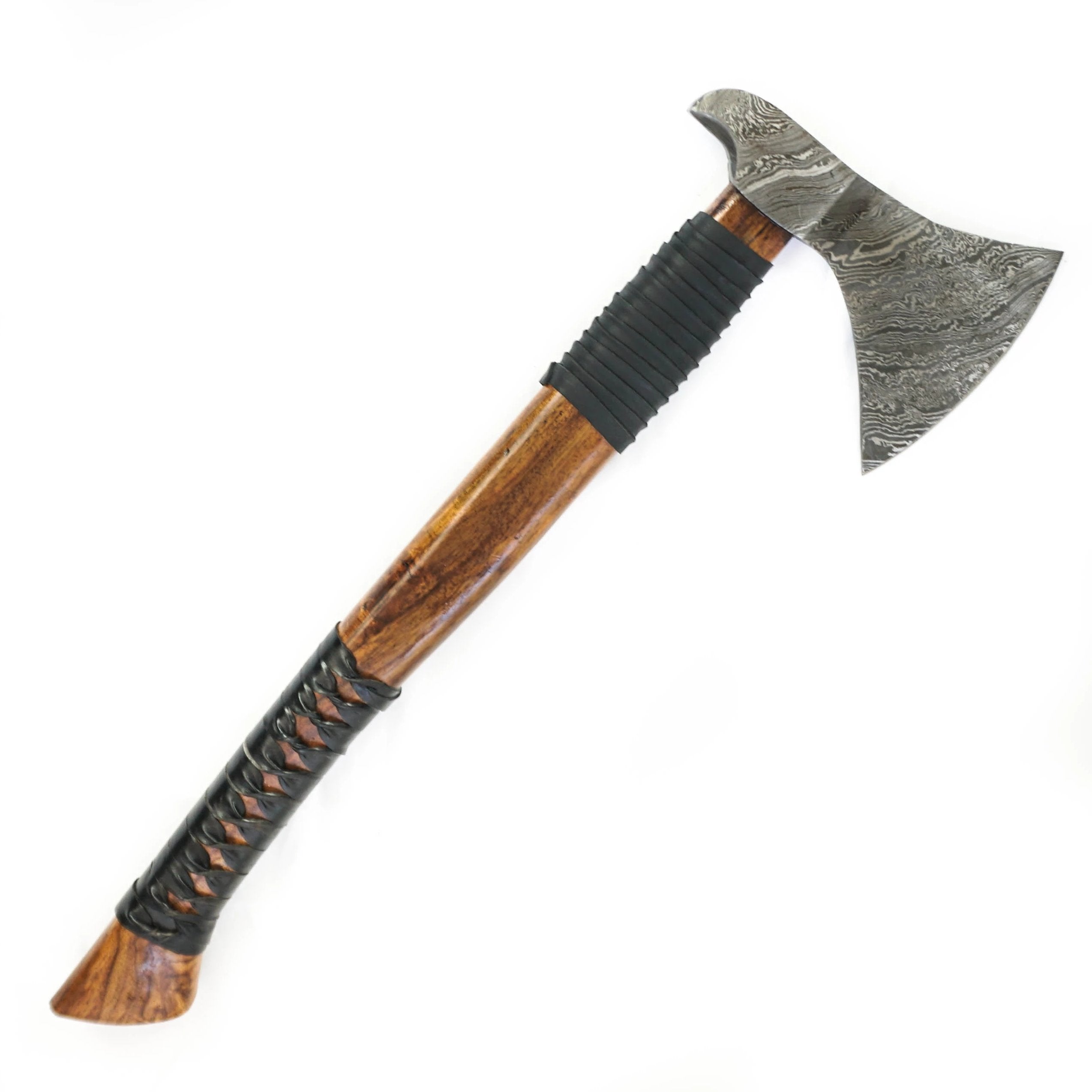
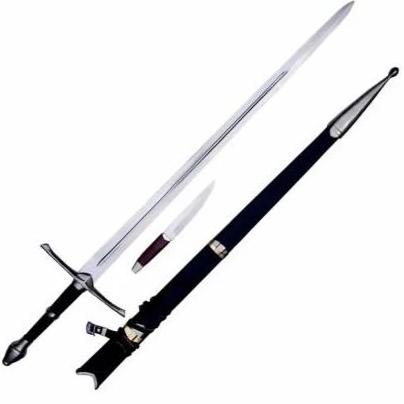
Our Viking sword collection includes designs with broad double-edged blades, lobed and trilobate pommels, short crossguards, leather-wrapped grips, wire-wound handles, and authentic-style scabbards. Some are forged from high-carbon 1060 or 1095 steel, others from spring steel like 5160, and premium pieces feature true pattern-welded Damascus construction echoing the original Norse smithing techniques.
Viking swords are classified by archaeologists using the Petersen typology, a system based on hilt design that identifies over 20 distinct types found across Viking Age burials and hoards. Among the most recognizable are Type H swords, the most common pattern with a short straight crossguard and a multi-lobed pommel; Type X swords, featuring a simple disc or wheel pommel that influenced later medieval European designs; and Type S swords, with distinctive trilobate pommels often decorated with silver and copper inlay.
The Ulfberht is not a type but a maker's mark — a name inlaid into the blade of swords produced from roughly the 9th to 11th centuries using crucible steel of exceptional quality. Genuine Ulfberht blades remain among the most studied artifacts in archaeology. Other notable styles include the Carolingian sword (Frankish in origin but widely used by Vikings), the seax (a long single-edged Norse fighting knife often carried alongside the sword), and modern pattern-welded Viking swords that recreate the swirling steel patterns visible in original museum pieces.
Battle-ready Viking swords feature full-tang construction, high-carbon or spring steel blades, and proper heat treatment suitable for cutting practice, HEMA training, and serious reenactment use. Decorative Viking swords are typically made from stainless steel with partial tangs and are designed for wall display, costume use, cosplay, and themed home decor. Blunt-edged Viking swords (sometimes called "reenactment grade") are designed for safer contact sparring at events like SCA combat, Viking reenactment battles, and Norse martial arts demonstrations.
These Viking swords are popular for historical reenactment (Viking festivals, SCA, Norse encampments), HEMA and Viking martial arts practice, museum-style home displays, Norse-themed mead halls and man caves, cosplay for shows and films set in the Viking Age, Renaissance faires, ceremonial gifts for those drawn to Norse heritage and mythology, and serious collector pieces honoring early medieval Scandinavian craftsmanship. Many customers choose Viking swords as meaningful gifts for fans of Norse mythology, Scandinavian heritage, and Viking-themed media.
Browse the collection to find authentic-style Viking swords, pattern-welded Damascus blades, Petersen-typology reproductions, and Norse-inspired weapons that fit your collection, training, or display.
What is an Ulfberht sword? An Ulfberht is a Viking Age sword bearing the inlaid name "+VLFBERH+T" or similar variants on the blade, produced between roughly 800 and 1000 AD. These swords were made from crucible steel of remarkable purity — comparable to steel that wouldn't be reliably reproduced in Europe for another 800 years. Around 170 genuine Ulfberht swords survive today, and they remain a major subject of archaeological study.
What is pattern-welded steel? Pattern-welded steel is created by forge-welding multiple steel rods together, twisting and folding them, then forging the result into a blade. The technique produces distinctive swirling, wavy, or serpentine patterns in the finished steel — both decorative and structurally beneficial. Viking-era smiths used pattern welding extensively, and modern bladesmiths still use the technique to create historically authentic Viking sword reproductions.
What is the Petersen typology? The Petersen typology is a classification system for Viking Age swords developed by Norwegian archaeologist Jan Petersen in 1919. It organizes Viking swords into types (labeled A through Z and beyond) based on hilt design, particularly pommel and crossguard shape. The system remains the standard reference for identifying and dating Viking swords found in archaeological contexts.
What steel is best for a Viking sword? For functional Viking swords, high-carbon 1060 steel offers a strong balance of durability and price. 1095 carbon steel provides superior edge retention. 5160 spring steel offers exceptional toughness and flex, making it popular for reenactment and cutting use. True pattern-welded Damascus steel is the most historically authentic choice and the closest modern equivalent to the original Norse blades.
Are Viking swords legal to own in the US? In most states, Viking swords are legal to own and display at home without restriction. Carry laws vary by state and locality. Customers are responsible for verifying local regulations before purchase.