

 Fast & Free Shipping
 30 day Money Back
 Secure Checkout
 Fast & Free Shipping
30 day Money Back
Secure Checkout
Fast & Free Shipping
30 day Money Back
Secure Checkout
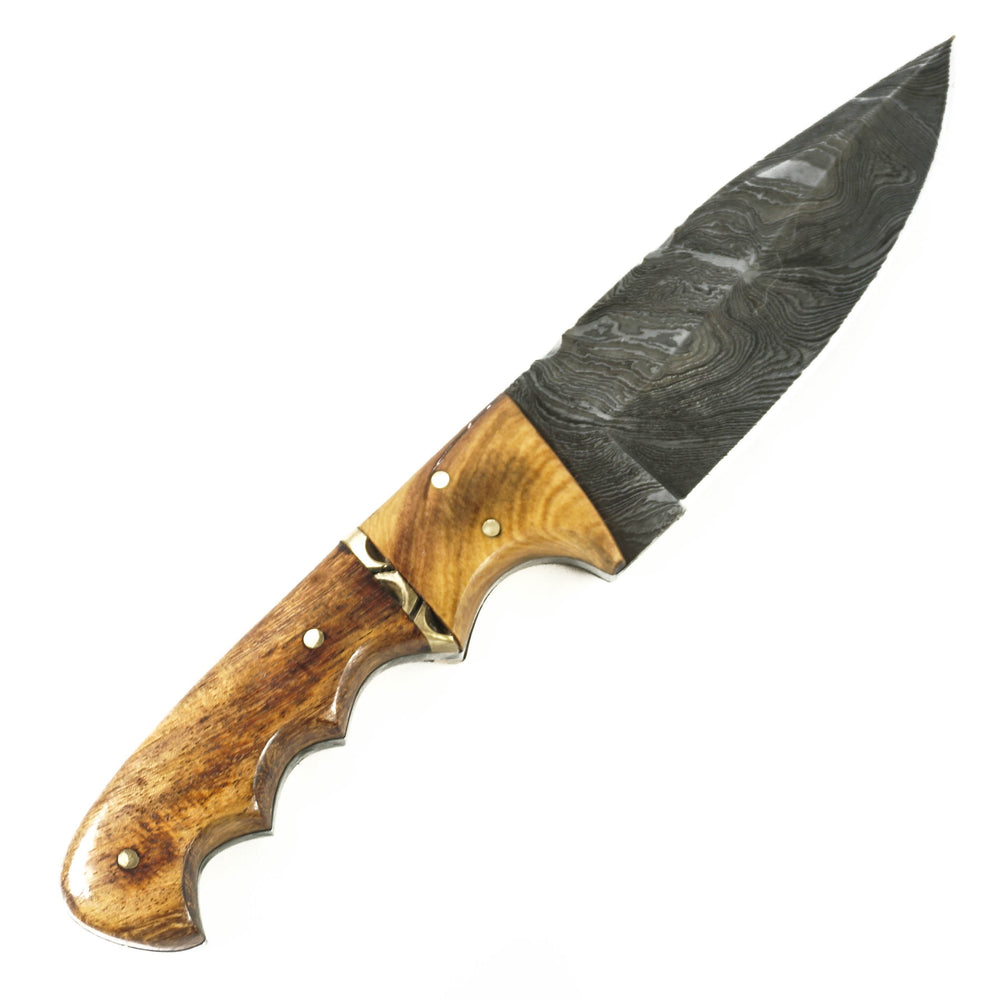
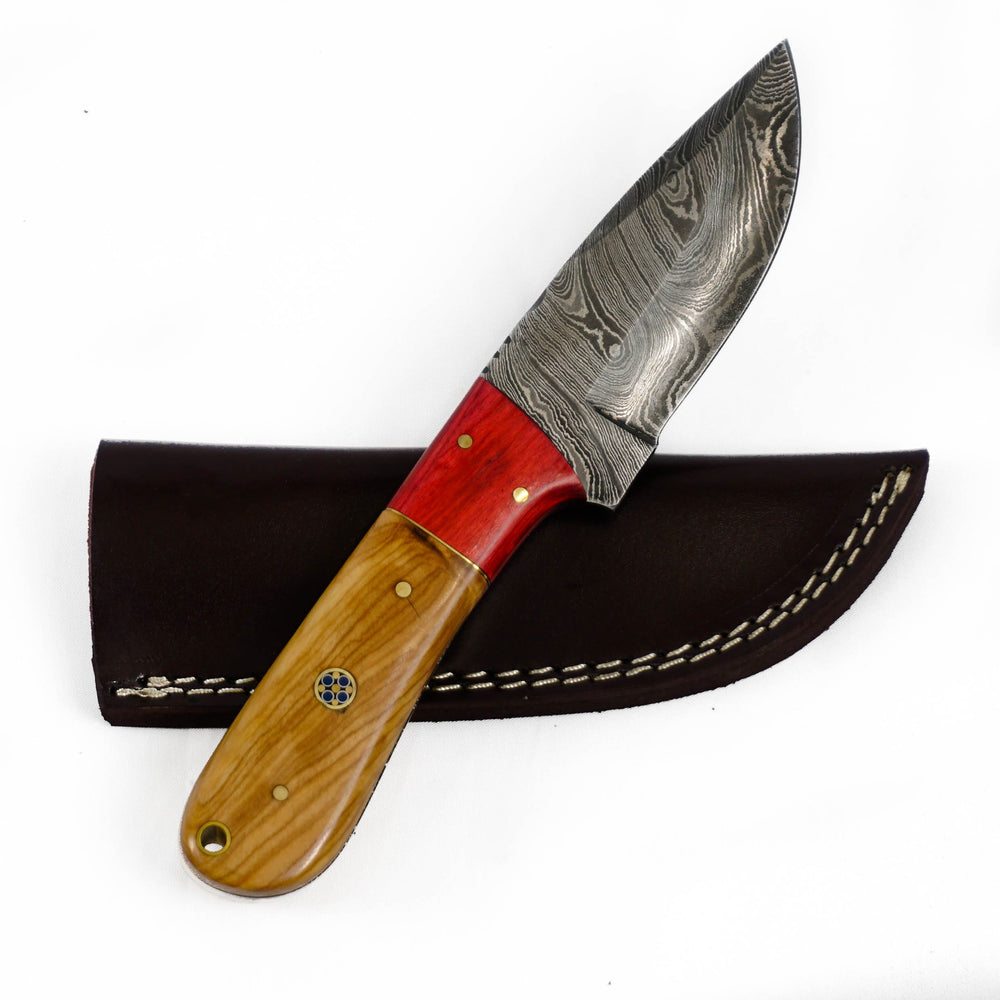
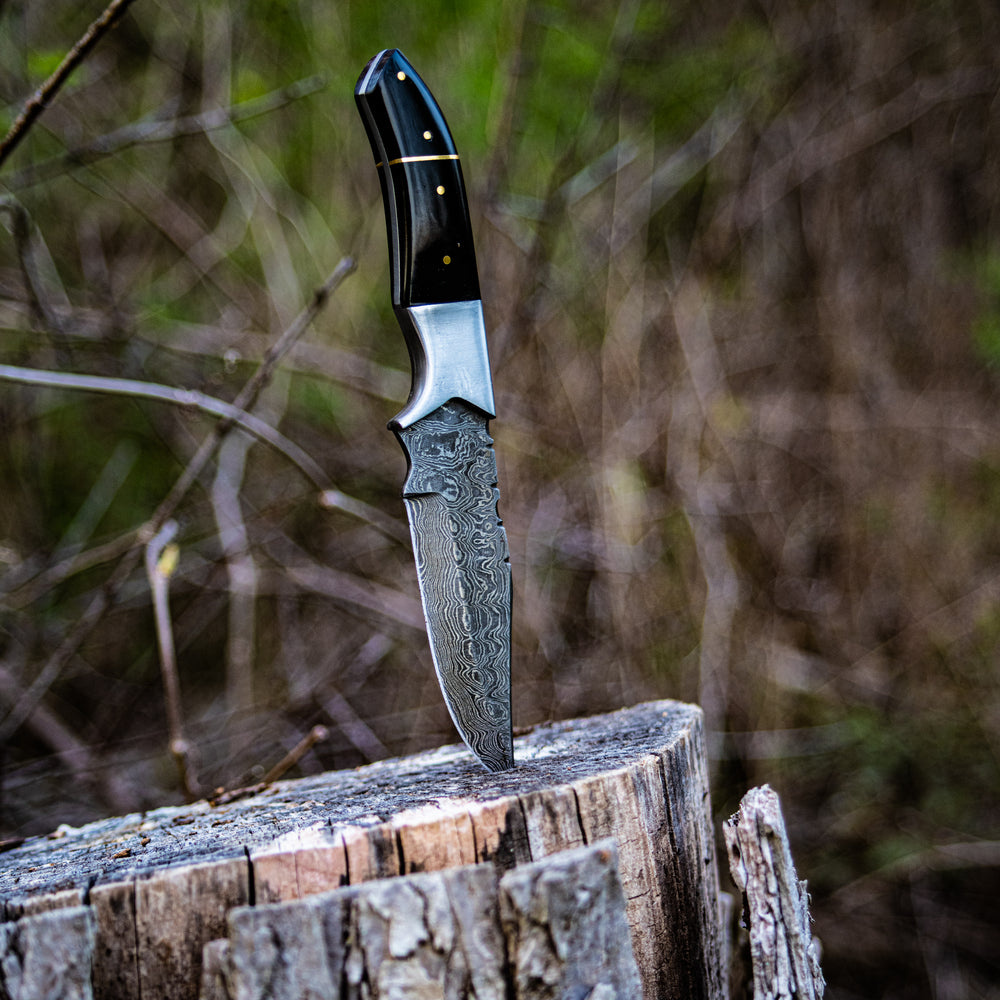
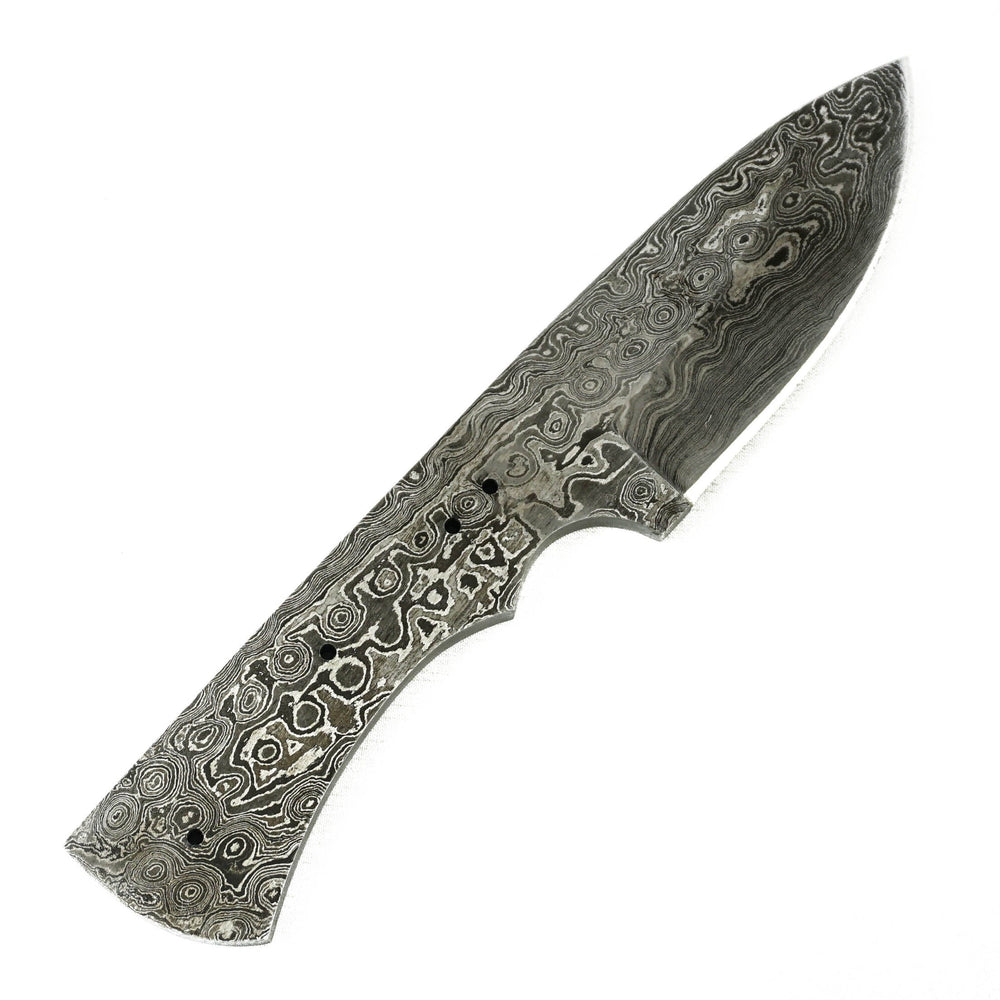
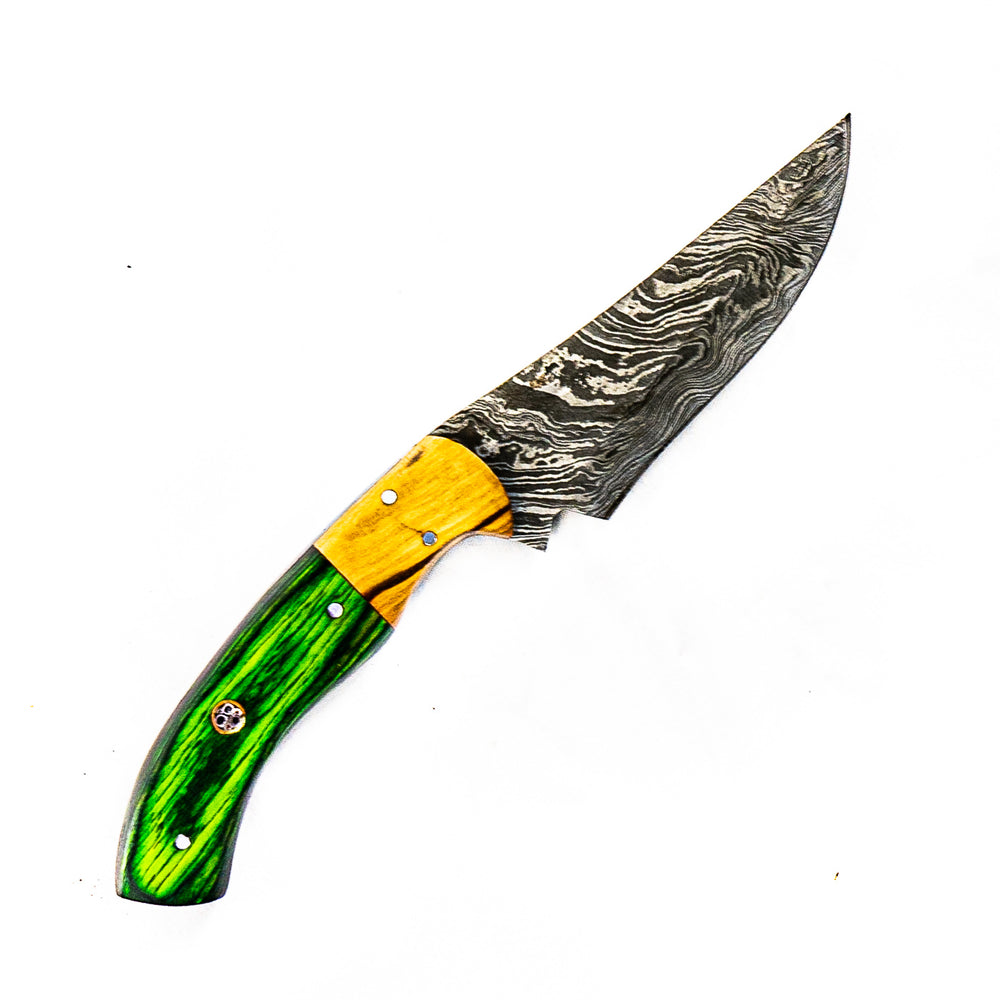
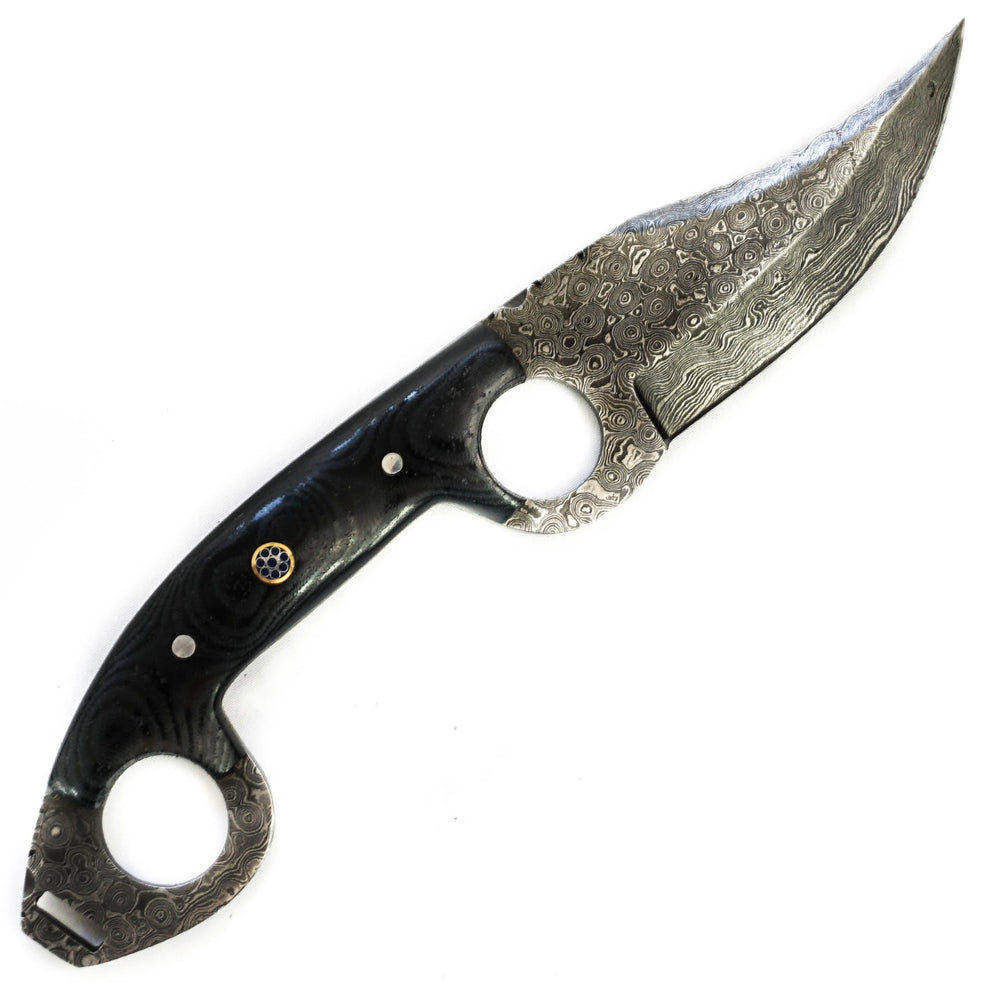
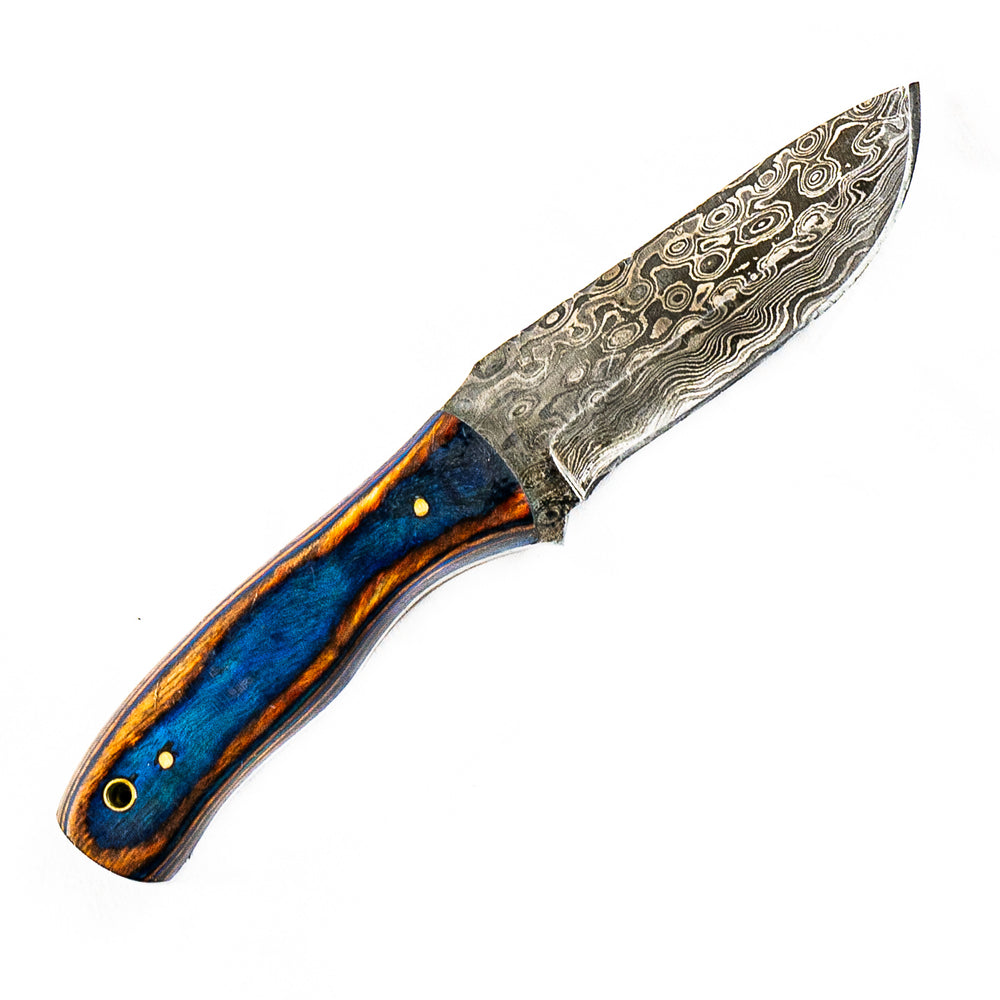
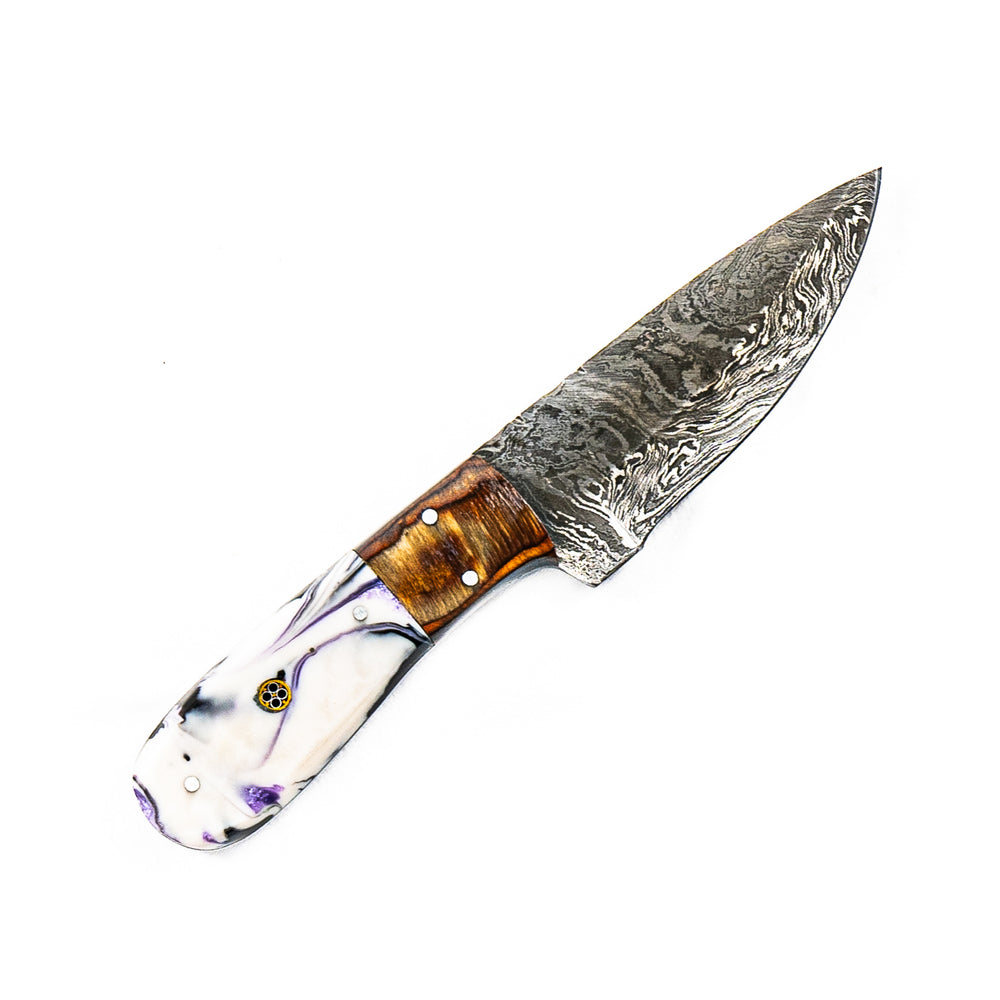
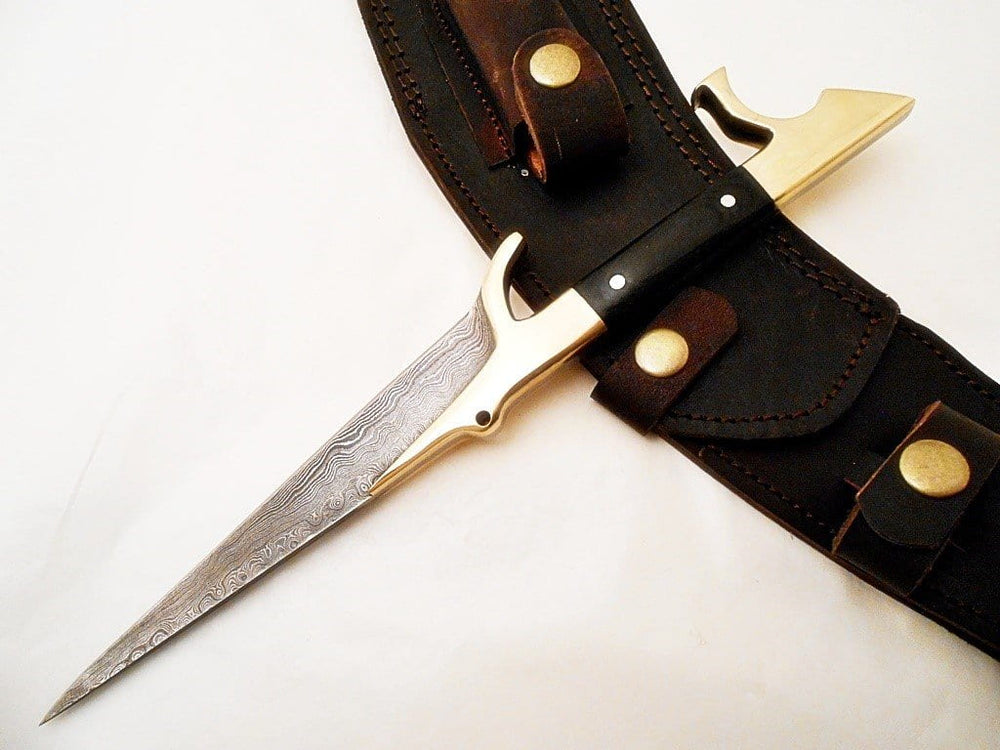
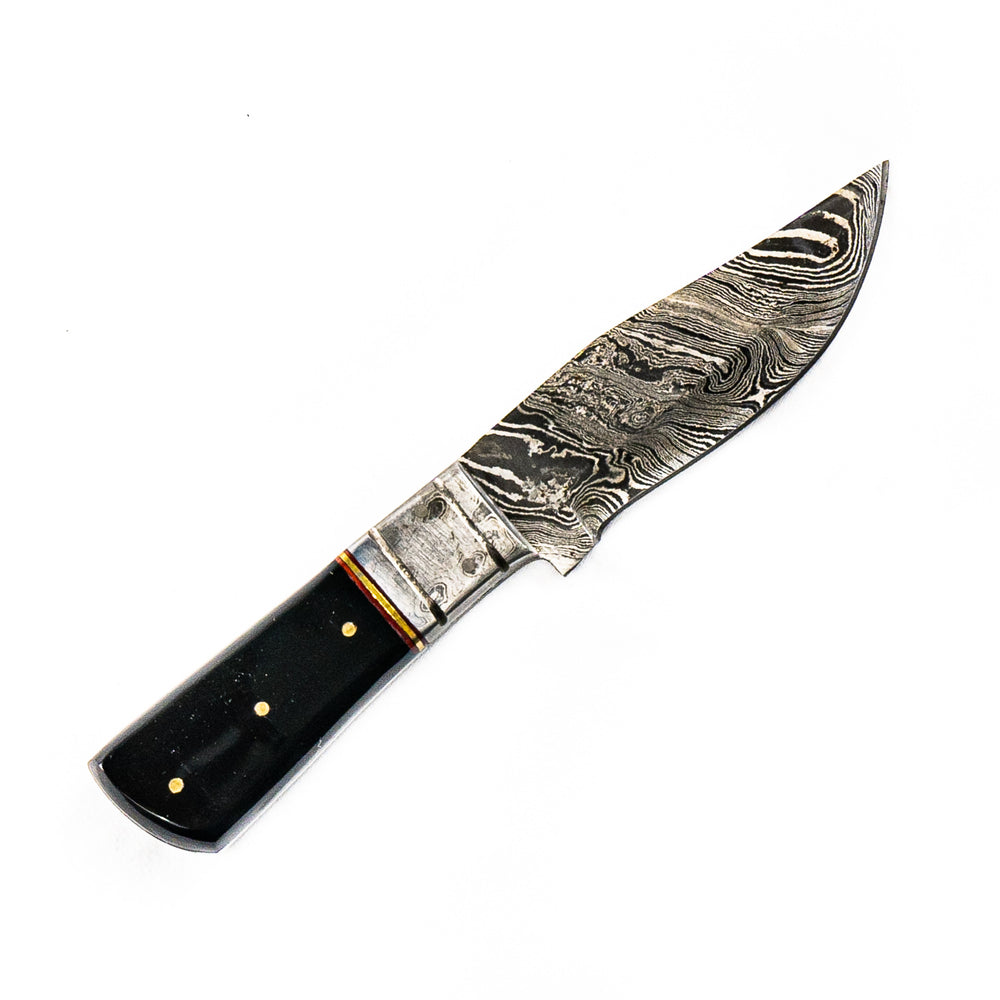
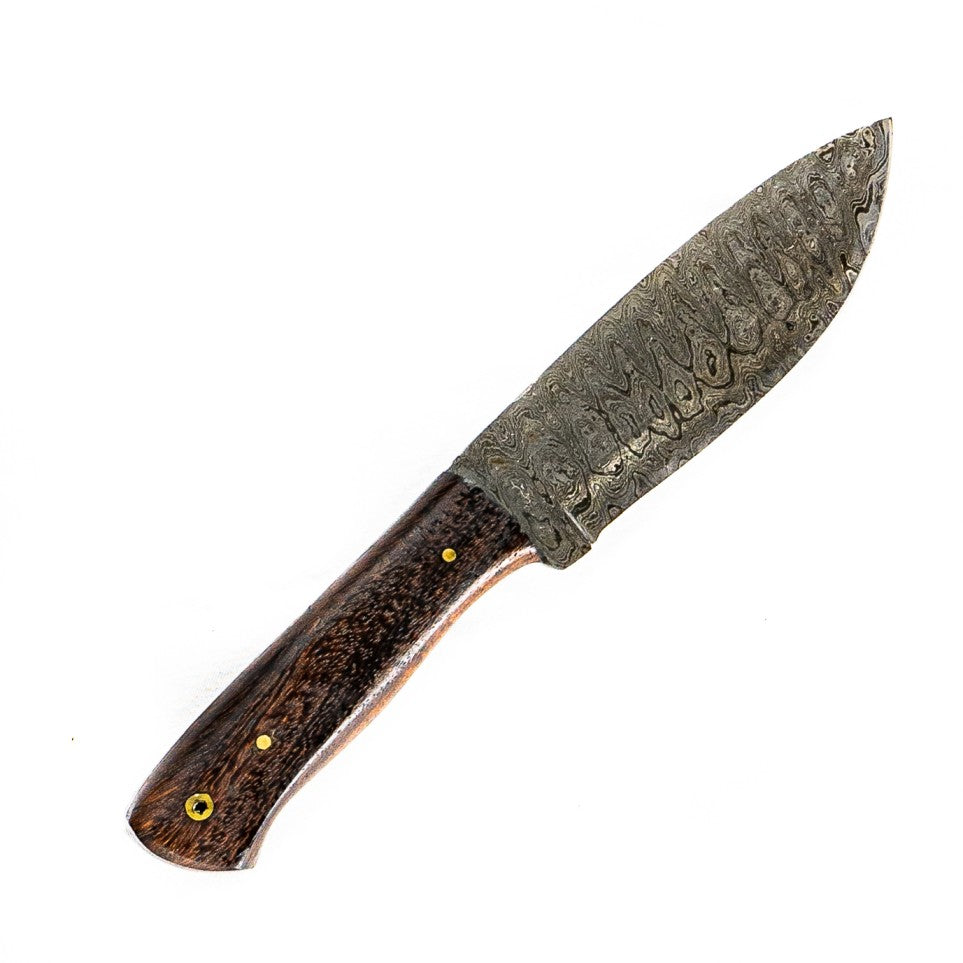
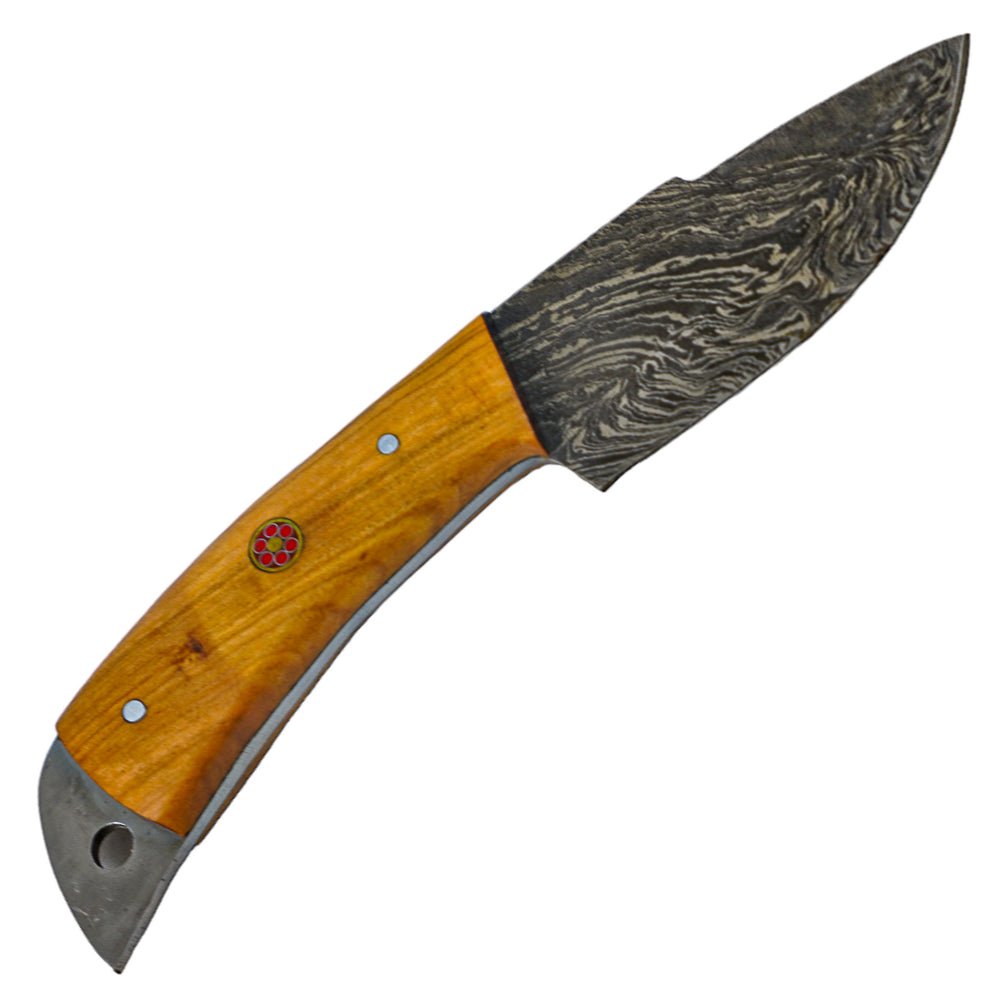
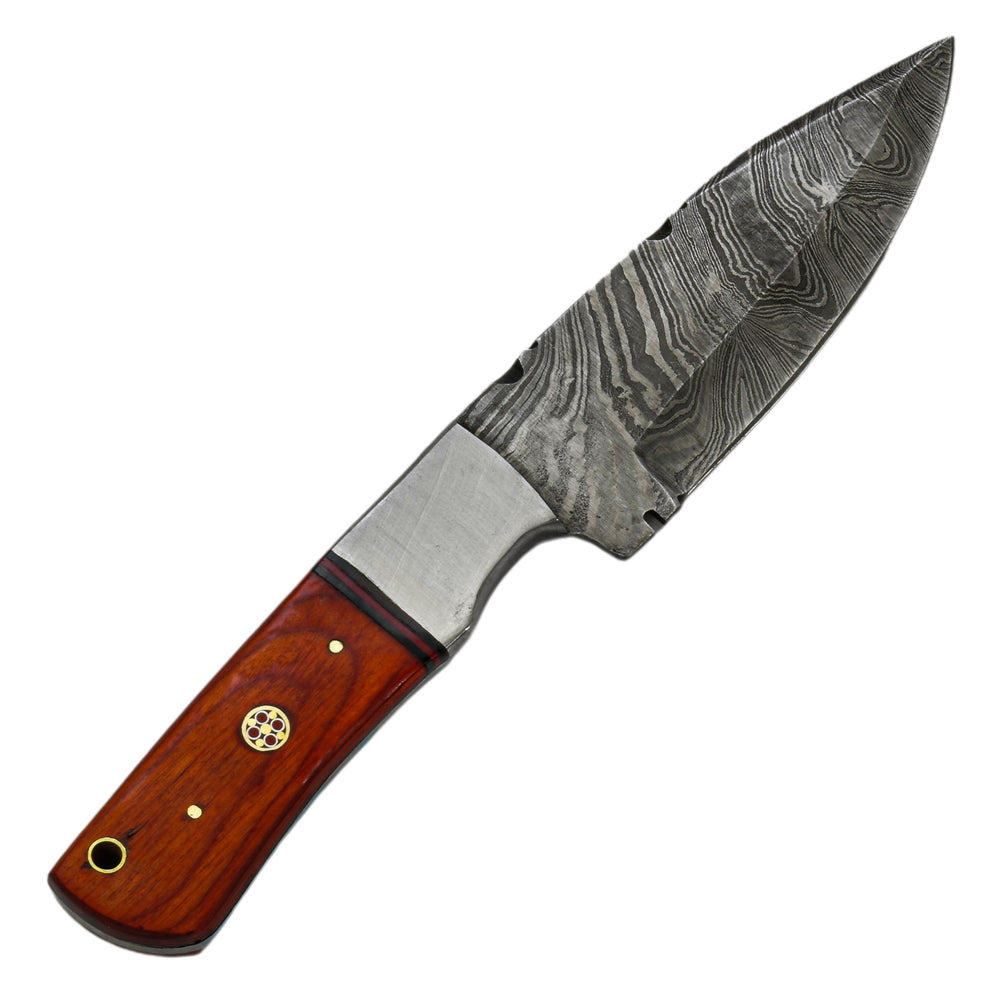
Explore skinning knives built for the specific task of separating hide from carcass cleanly, efficiently, and without damaging the meat or pelt underneath. This collection includes traditional skinning knives, gut-hook skinners, caping knives, replaceable-blade skinners, trailing-point skinning patterns, and fixed-blade game-processing knives designed for big-game hunters, trappers, fur dealers, taxidermists, butchers, ranchers, and anyone whose work depends on getting the hide off without ruining what's underneath.
Skinning is its own discipline. A general-purpose hunting knife can do it — but a knife designed specifically for skinning does it better, faster, and with less hand fatigue at the end of a long day. The right skinner has a blade profile that follows the natural separation between hide and flesh, an edge geometry that slices cleanly without tearing, and a handle shaped for the close-in grip and precise control that skinning demands. Whether you're processing a single whitetail at the end of opening day or working through a season's worth of trapline fur, the difference between a generic hunter and a true skinning knife shows up in your hands within minutes.
Our skinning knife collection includes designs with high-carbon and stainless steel blades (1095, D2, 440C, AUS-8, S30V) suited to the wet, bloody, fat-heavy work of game processing, distinctive curved trailing-point and sweeping clip-point blade profiles optimized purely for skinning rather than general utility, short controllable handles in stabilized hardwood, bone, antler, Micarta, G10, and rubber overmolds, gut-hook variants for hunters who prefer them, and durable kydex or leather sheaths with belt-loop carry suited to all-day field use.
Skinning knives split into several distinct designs based on blade profile and intended game. The traditional skinning knife features a wide, curved trailing-point blade — a profile where the back of the blade sweeps upward away from the handle, creating a long curved cutting edge along the belly. This is the classic dedicated skinner shape, maximizing edge length for hide work and providing a controlled, rounded tip that won't accidentally puncture the hide or meat below. Drop-point skinners use the more familiar drop-point profile (a gentle convex back curving down to the tip) optimized in shorter, deeper proportions for skinning rather than general use — a versatile compromise for hunters who want a skinner that can also handle field-dressing duties.
Caping knives are smaller, more precise skinning knives (typically 2.5–3.5 inch blades) used for the detailed work of preserving a trophy head for taxidermy — fine cuts around the ears, eyes, lips, and antler bases that demand control over power. A serious trophy hunter often carries both a primary skinner and a separate caping knife. Gut-hook skinners add a sharpened hook on the spine designed to open the abdominal cavity in a controlled cut without puncturing the entrails. Some hunters consider the gut hook essential; others find it unnecessary and prefer a clean blade. We carry both styles.
Replaceable-blade skinners (sometimes called "Havalon-style") use surgical-grade scalpel blades that the user swaps out as they dull, eliminating the need for sharpening in the field. Popular with serious hunters processing multiple animals, taxidermists, and trappers who value the surgically sharp edge throughout the work. Folding skinners include lockback designs sized for skinning use, popular for hunters who want to carry a dedicated skinner without a second belt sheath. Buffalo and large-game skinners are larger, heavier patterns developed for elk, moose, bear, and other large game where the hide is thicker and the work more demanding. Trapper skinners — including traditional patterns like the trapper folder — were developed for the fur trade and remain popular with modern trappers processing furbearers (mink, marten, fox, coyote, beaver, raccoon).
Effective skinning starts with the right cut and the right knife. After field-dressing the animal, most hunters make an initial cut from the abdomen up to the chin and similar cuts down the inside of each leg, then use the skinner to separate hide from flesh by working the curved blade edge along the natural connective tissue layer. The curved belly of the skinner does the actual work — slicing through fascia and connective tissue while the rounded tip protects the meat and hide below from accidental puncture. Keep the blade angled toward the hide (not the meat) and work in short, controlled strokes rather than long pulling cuts.
For big game (deer, elk, moose), a hunter typically hangs the carcass and works from the bottom up, using the skinner to peel hide away while gravity does some of the work. For caping a trophy head, switch to a small caping knife and work slowly — this is where ruined work shows up later at the taxidermist. For furbearers on a trapline, traditional case-skinning techniques use the skinning knife to make starter cuts at the legs before pulling the hide off inside-out like a sock. Different game and different intended uses (meat-only, hide-only, full taxidermy mount) call for different approaches, and an experienced hunter develops their own routine over time. The knife should disappear into the work — when you stop thinking about the knife and just focus on the cut, you're using the right tool.
Skinning work is hard on knives. Blood, fat, hide acid, salt from sweat, and constant moisture all stress steel — and unlike most other knife tasks, skinning involves long continuous use rather than short cuts. The right steel matters. Modern stainless and semi-stainless steels (440C, AUS-8, 14C28N, S30V, S35VN) handle wet game-processing work well and require less maintenance than carbon steel — the practical choice for hunters working in any climate and especially for those processing multiple animals per season. High-carbon tool steels (1095, 52100, D2) hold an edge exceptionally well through long skinning sessions and sharpen easily in the field, but require diligent care to prevent rust given the constant exposure to blood and fat. Clean the blade thoroughly during processing breaks rather than letting blood and fat sit on the steel.
After processing, wash the knife with warm soapy water, paying close attention to the bolster area where blood and tissue accumulate. Dry completely with a clean towel — never store a skinner wet or in a damp leather sheath, where moisture trapped against the steel causes rust and pitting. Apply a light coat of food-safe mineral oil or specialty blade protectant to carbon steel before long-term storage. Sharpen with a 1000-grit stone followed by a 3000-grit for finishing, maintaining the natural blade angle (typically 17–22 degrees per side for skinners). Many serious hunters touch up the edge after every animal rather than letting it dull significantly between uses.
These skinning knives are popular for big-game hunting (whitetail, mule deer, elk, moose, bear, hog, antelope), fur trapping and trapline use (mink, marten, fox, coyote, beaver, raccoon, muskrat), taxidermy work where caping precision matters, ranch and farm use processing livestock and predator control, butchery and home meat processing, hunting guide and outfitter use processing client game, gift-giving for serious hunters and trappers building specialized kits, and as heirloom pieces honoring generational hunting and trapping traditions. Many hunters specifically buy skinning knives as upgrade pieces — graduating from a single general-purpose hunter to a dedicated skinning setup as their hunting becomes more serious or specialized.
Browse the collection to find traditional trailing-point skinners, gut-hook skinning knives, caping knives, replaceable-blade skinners, and dedicated game-processing knives that match the game you hunt and the way you work.
What blade shape is best for a skinning knife? The trailing-point profile — where the back of the blade sweeps upward away from the handle, creating a long curved cutting edge with a rounded tip — is the classic dedicated skinner shape. The long curved belly maximizes edge length for hide work, and the upswept rounded tip protects against accidentally puncturing the hide or meat below during fine work. Drop-point profiles also work well as compromise skinners that can handle general field-dressing duties. Avoid sharp-pointed clip-points and tactical profiles for serious skinning — they puncture too easily and don't follow hide contours as naturally as a proper trailing-point.
Should a skinning knife have a gut hook? It's genuinely a personal preference question. Supporters of gut hooks say they open the abdominal cavity in a controlled cut without risking puncture of the entrails, and that they're faster than carefully reversing a blade edge to do the same work. Critics of gut hooks say a well-practiced hunter can achieve the same controlled opening cut with the main edge, and that gut hooks add a snag point that complicates cleaning and dulls quickly. Many experienced hunters skip the gut hook; many others find it indispensable. Try one and see what works for you — neither answer is universally right.
What's the difference between a skinning knife and a caping knife? A skinning knife is the general-purpose hide-removal blade — typically 3.5–4.5 inches with a curved trailing-point profile, used for the main work of separating hide from carcass on the body of the animal. A caping knife is the small precision blade — typically 2.5–3.5 inches — used for the detailed work of preserving a trophy head for taxidermy. Caping involves fine cuts around the ears, eyes, lips, and antler bases where the larger skinner is too clumsy. Trophy hunters often carry both: a primary skinner for body work, a separate caping knife for the head.
Are replaceable-blade skinners worth it? For many serious hunters, yes. Replaceable-blade skinners (Havalon-style and similar) use surgical scalpel blades that the user swaps out when they dull, eliminating the need to sharpen in the field. Advantages: always surgically sharp, no time spent sharpening, lightweight, popular with taxidermists and trappers processing many animals. Drawbacks: the small blades are less suited to heavy work, blade changes need to be done carefully (the blades are extremely sharp), replacement blades are an ongoing cost, and traditionalists prefer the heft and feel of a conventional knife. Many serious hunters now carry both — a conventional skinner for the heavy work and a replaceable-blade skinner for caping and detail.
How do I keep my skinning knife sharp during processing? Most serious hunters carry a small ceramic rod, diamond rod, or pocket whetstone for field touch-ups during long processing sessions. A few light strokes on a ceramic or diamond rod between animals — or even mid-animal on tough work — restores the edge without removing significant metal. After the day's processing, sharpen properly on bench stones to restore the full edge. For replaceable-blade skinners, simply swap to a fresh blade rather than sharpening. The key is touching up the edge often rather than letting it dull significantly — a slightly-dulled skinner cuts dramatically worse than a freshly-touched-up one, and the difference adds up across a long day.