

 Fast & Free Shipping
 30 day Money Back
 Secure Checkout
 Fast & Free Shipping
30 day Money Back
Secure Checkout
Fast & Free Shipping
30 day Money Back
Secure Checkout
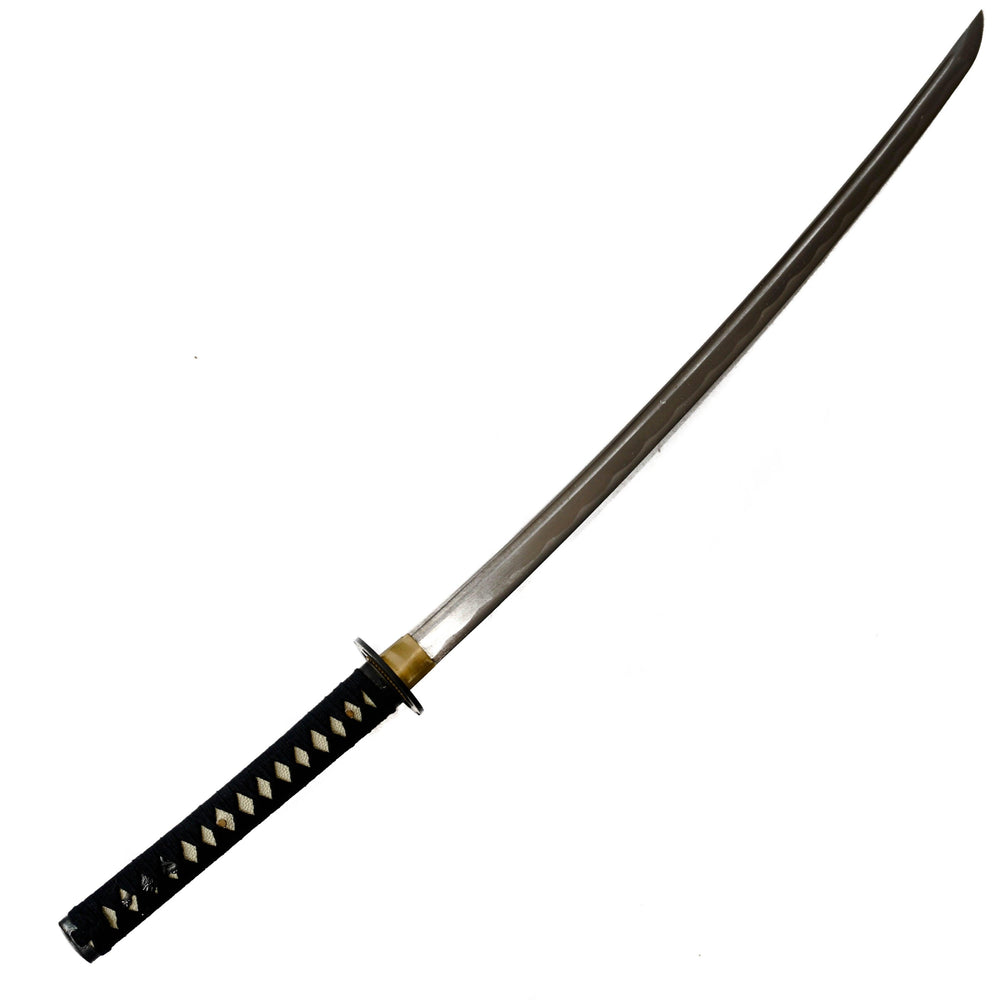
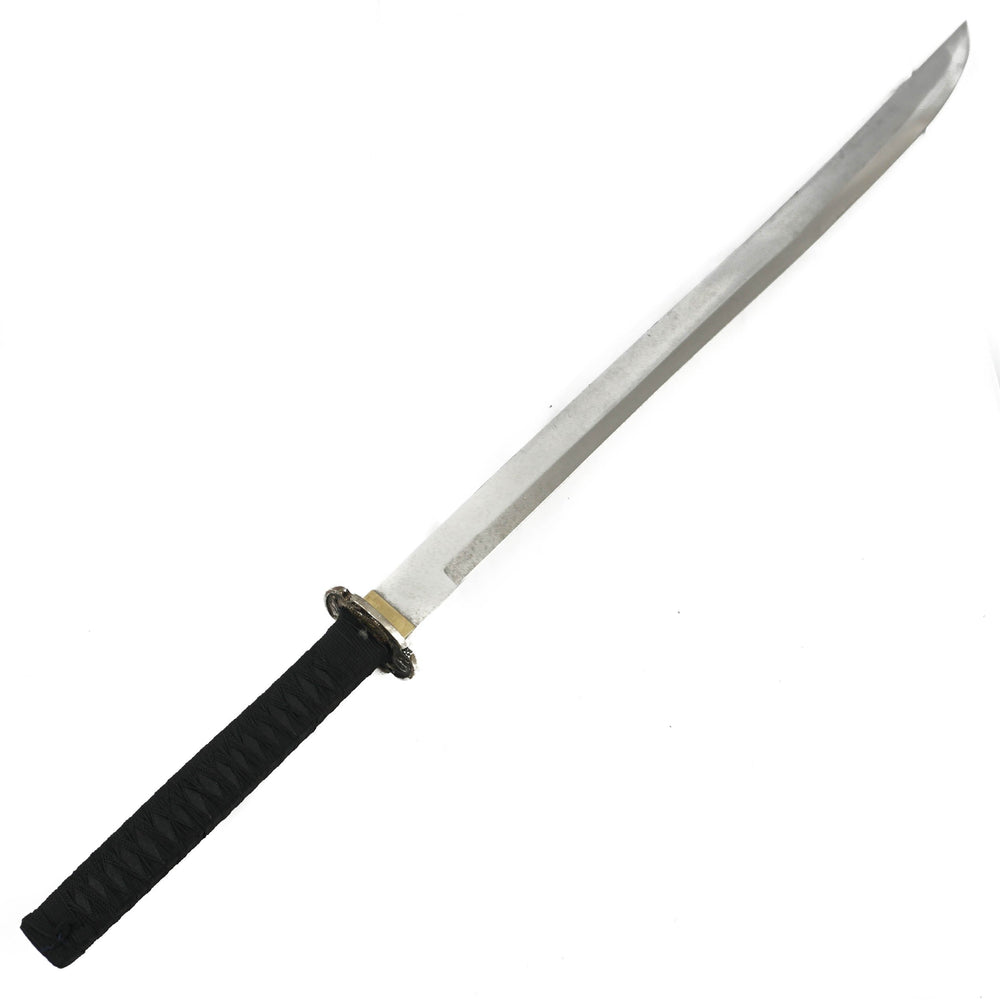
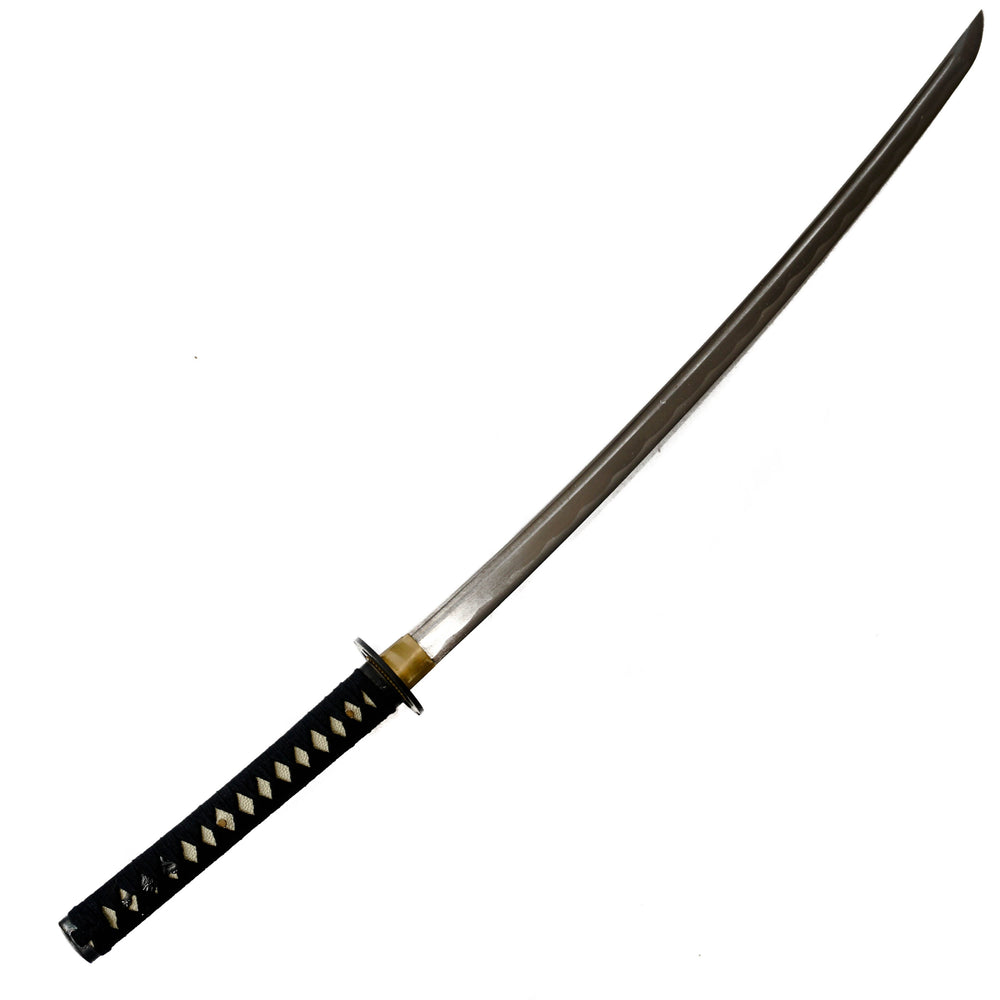
Explore katana swords inspired by the legendary curved long sword of feudal Japan, the defining weapon of the samurai and one of the most refined blades ever forged. This collection includes battle-ready katanas, hand-forged Damascus folded-steel blades, high-carbon 1095 clay-tempered swords with authentic hamon lines, and decorative stainless display katanas designed for martial artists, collectors, cosplayers, and anyone drawn to Japanese sword culture.
The katana is the iconic curved, single-edged long sword developed in Japan during the Muromachi period (roughly 1336 to 1573) and refined through centuries of warfare and craftsmanship. Worn edge-up through the obi belt, the katana was designed for the fast-drawing techniques (iaijutsu) that defined samurai combat. The same motion that drew the blade could deliver the first cut. Forged through folded steel construction and differential clay tempering, a properly made katana combines a glass-hard cutting edge with a resilient, flexible spine, producing the unique geometry that has made it legendary for over six hundred years.
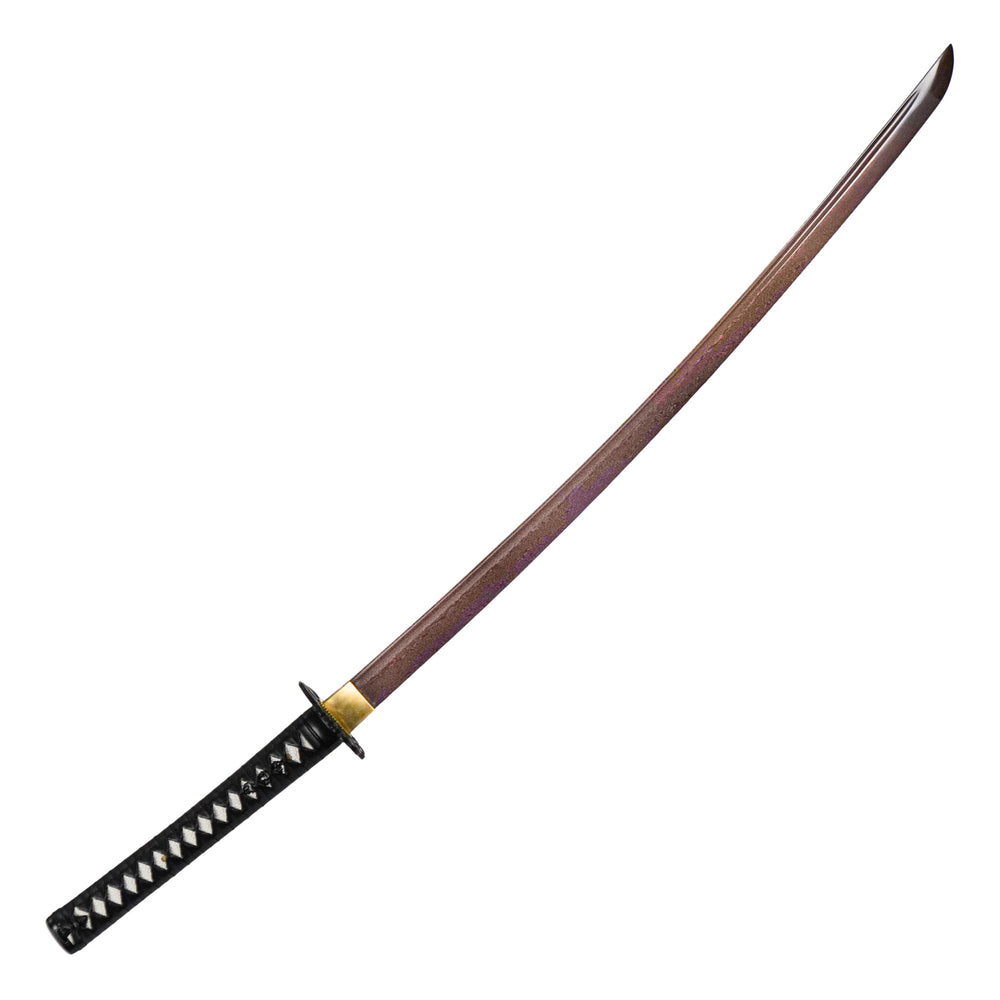
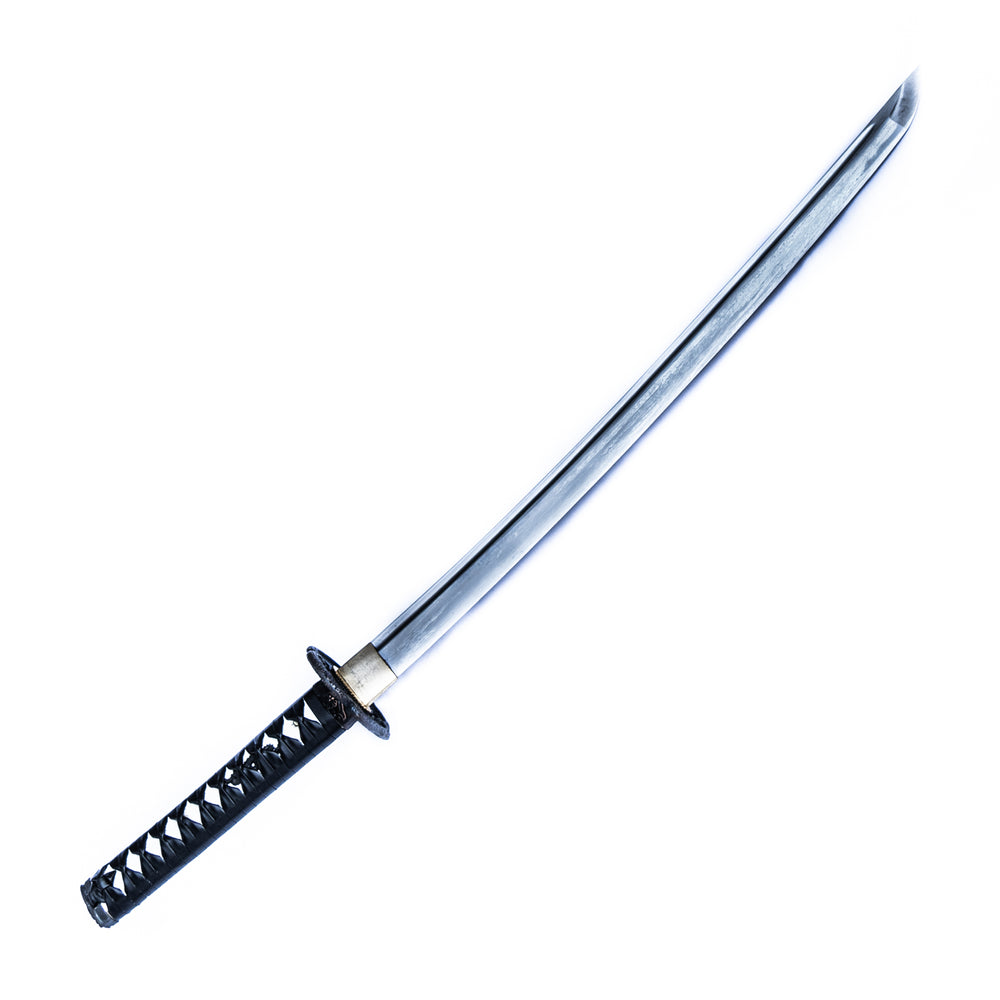
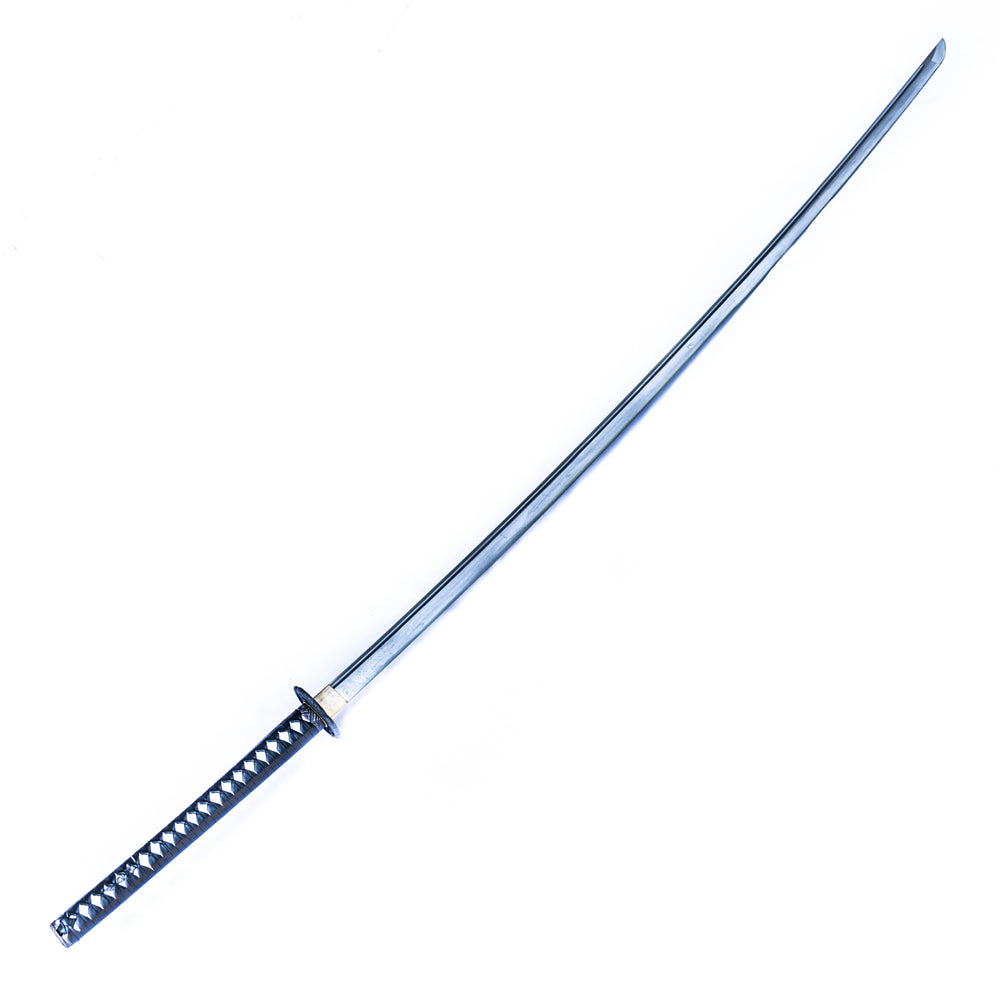
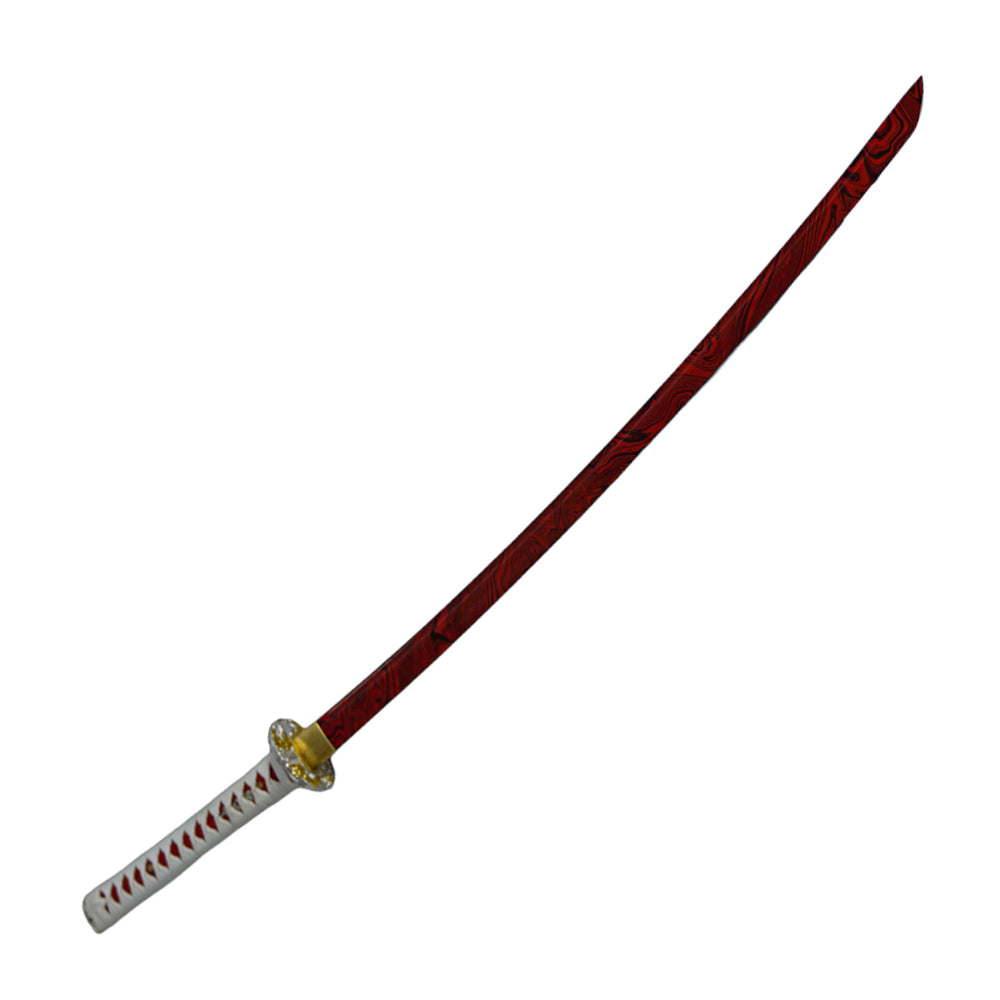
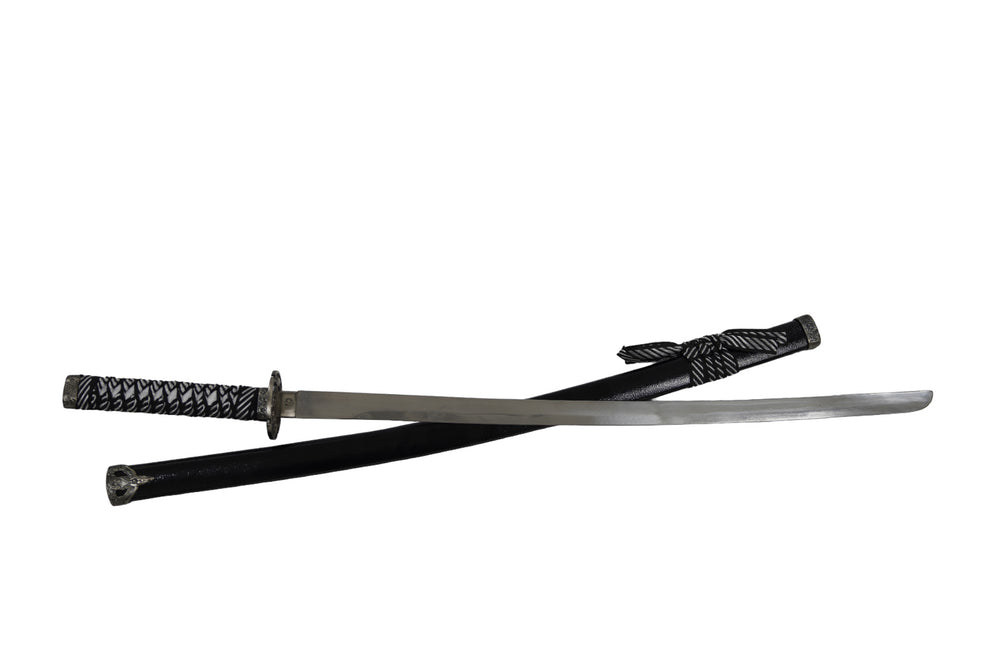
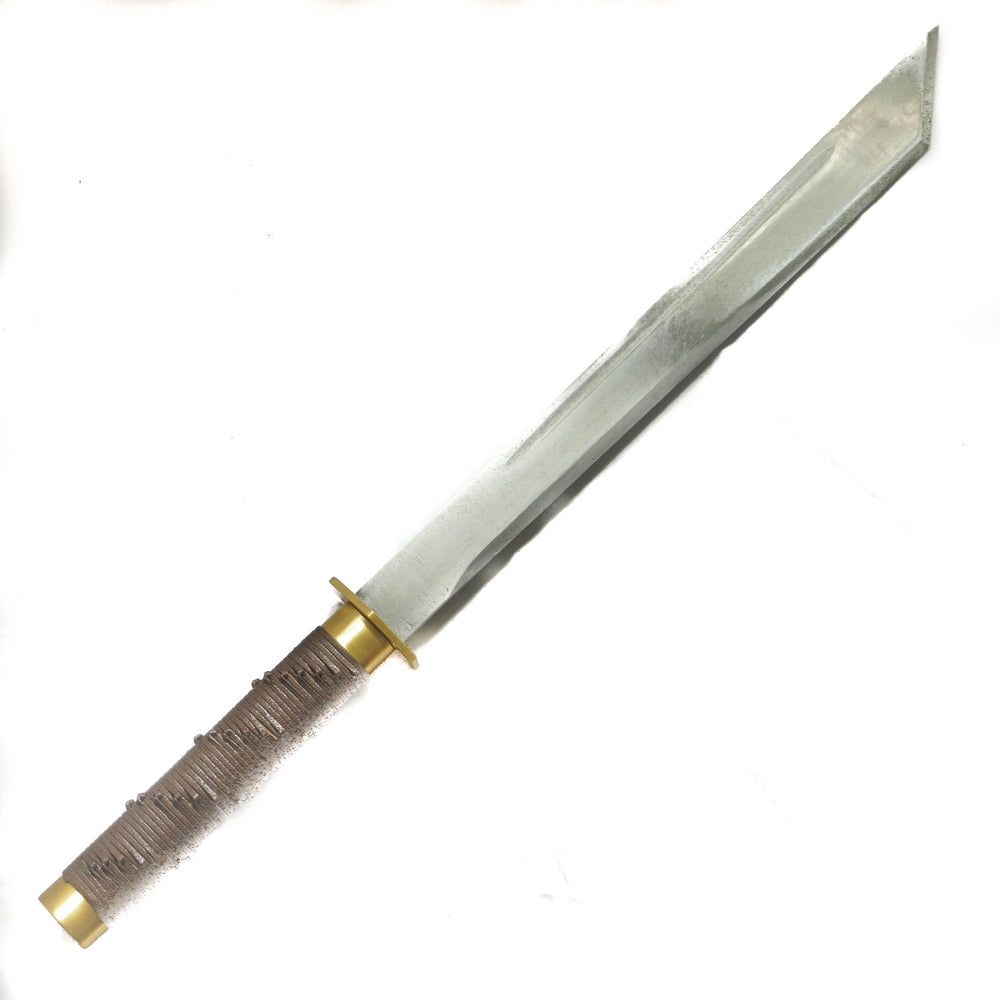
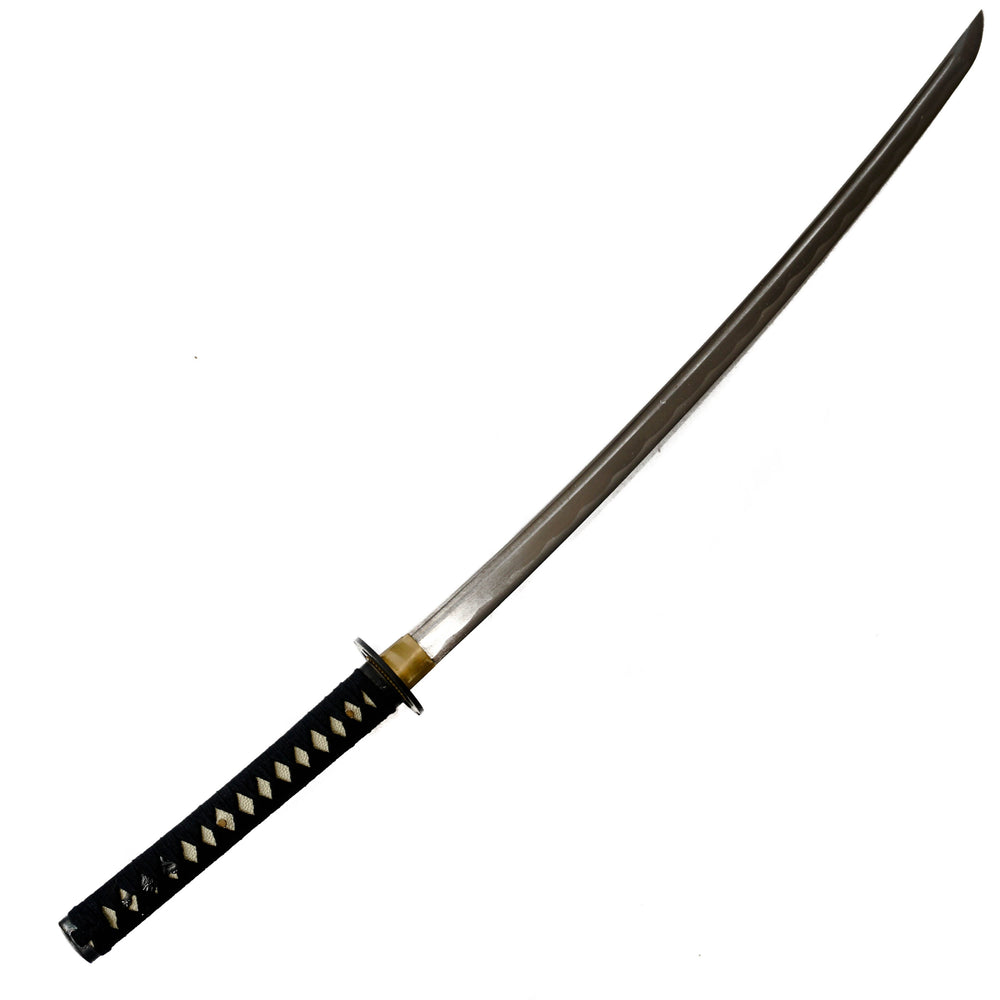
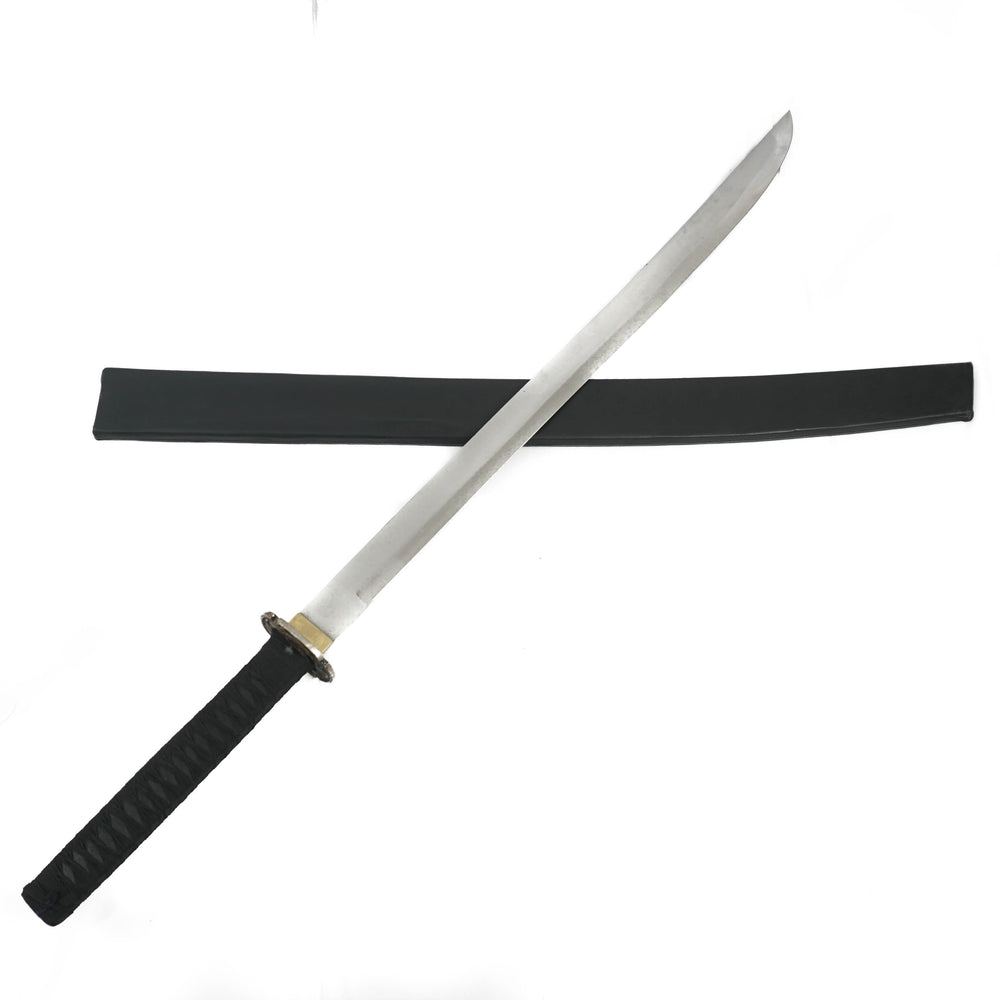
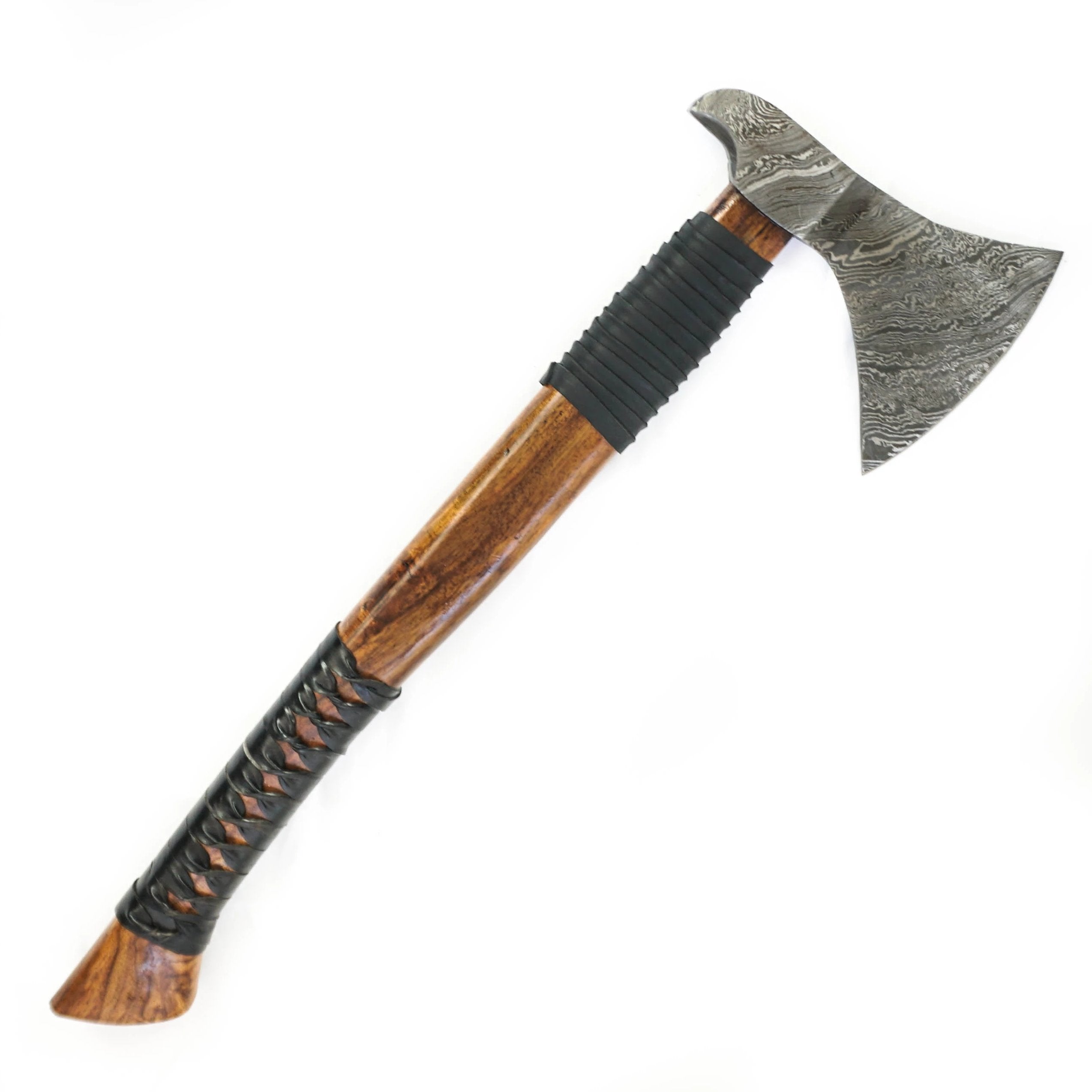
Our katana collection spans several distinct types to suit training, cutting, collecting, and display. Battle-ready katanas are built for serious use with full-tang construction and hardened high-carbon 1095 steel blades. Hand-forged Damascus katanas display the flowing layered patterns of true folded steel. Clay-tempered katanas carry an authentic hamon line created by differential heat treatment. Decorative and anime-inspired katanas use stainless steel for affordable wall display and cosplay. Many designs feature traditionally wrapped tsuka handles, ornate tsuba guards, and lacquered saya scabbards, and some include complete koshirae mountings with authentic fittings, custom blade engraving, and signed tangs.
Our katanas are offered in three steels, each suited to a different purpose: high-carbon 1095, often clay-tempered to give a hard cutting edge and an authentic hamon, for functional and collector blades, folded Damascus for one-of-a-kind layered patterns at the premium end, and stainless steel for low-maintenance display and cosplay pieces. To see how these steels differ and which fits cutting, collecting, or display, read our guide to sword steel.
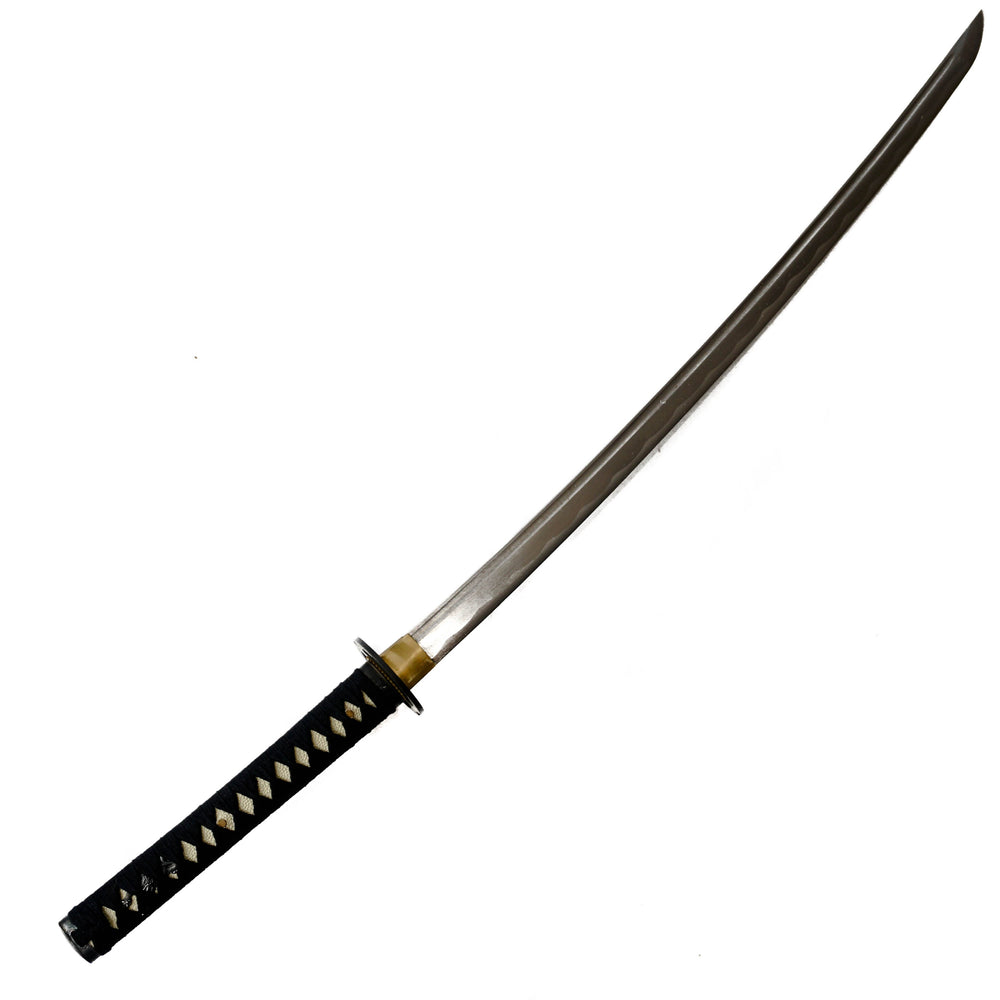
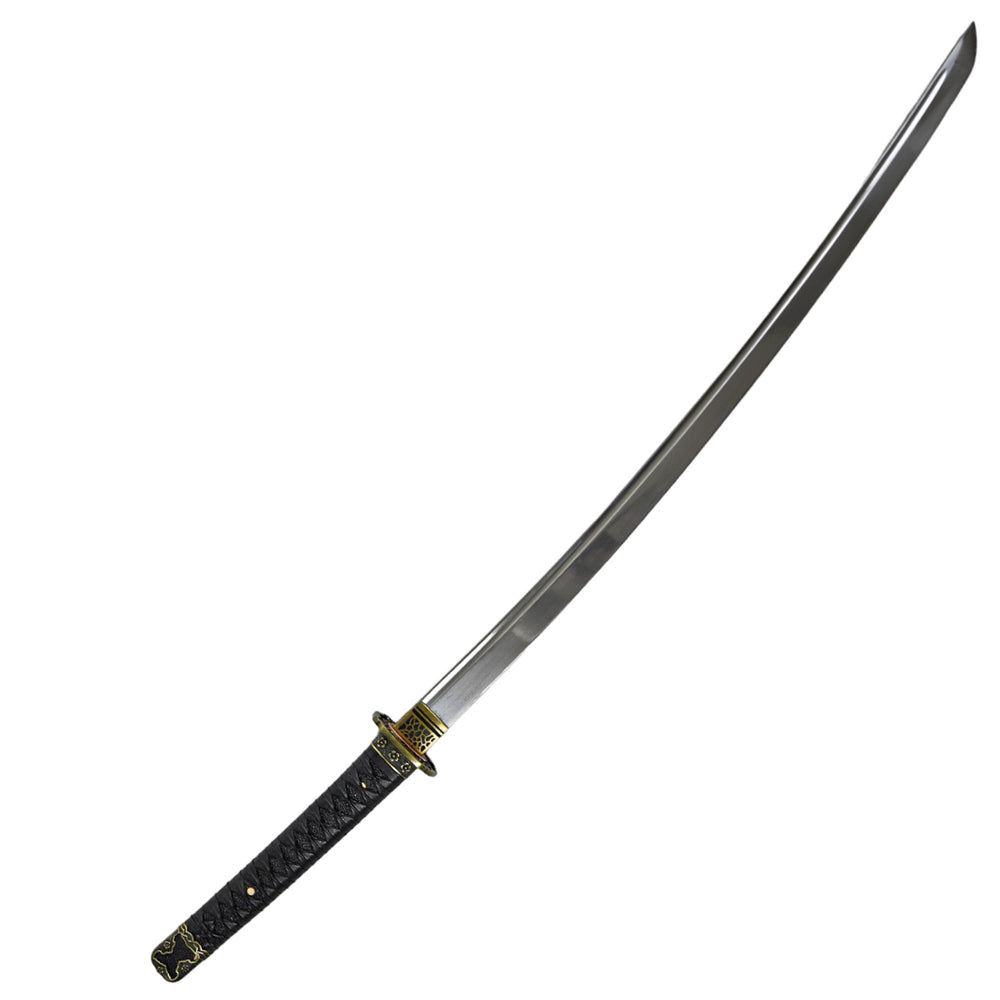
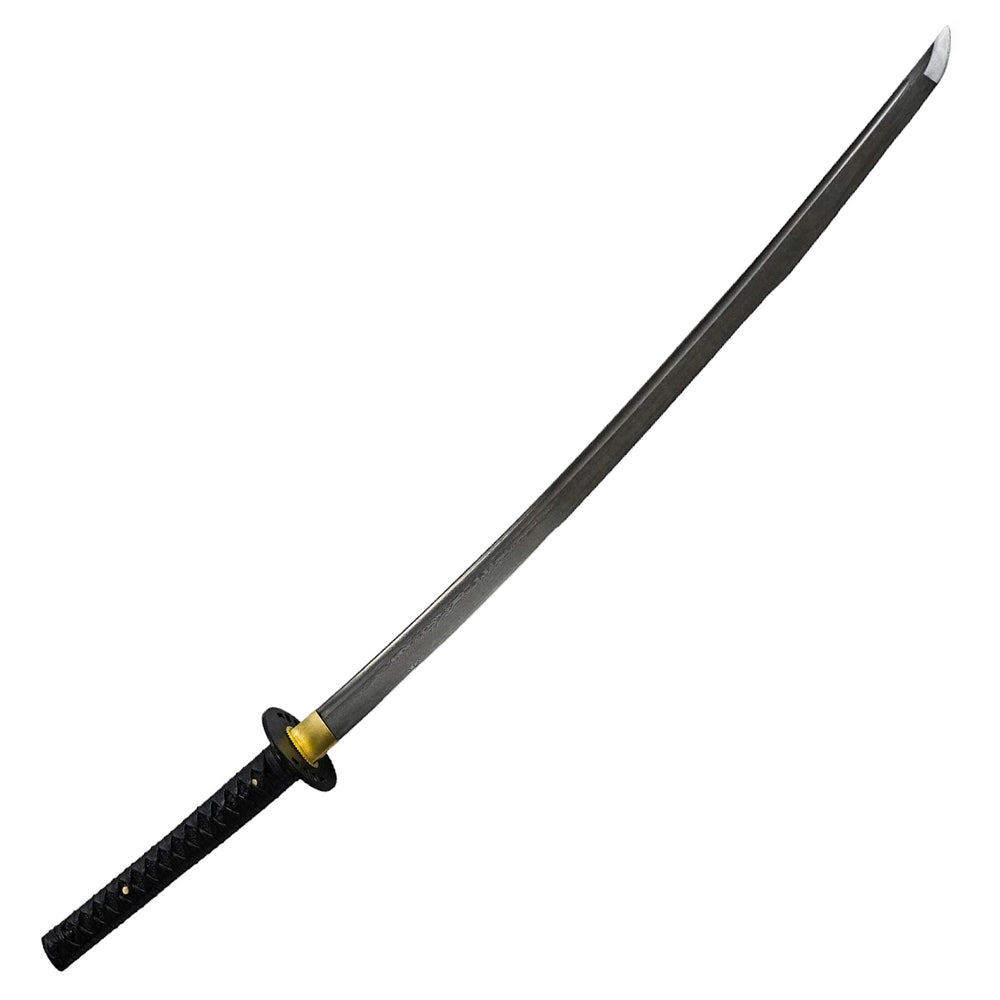
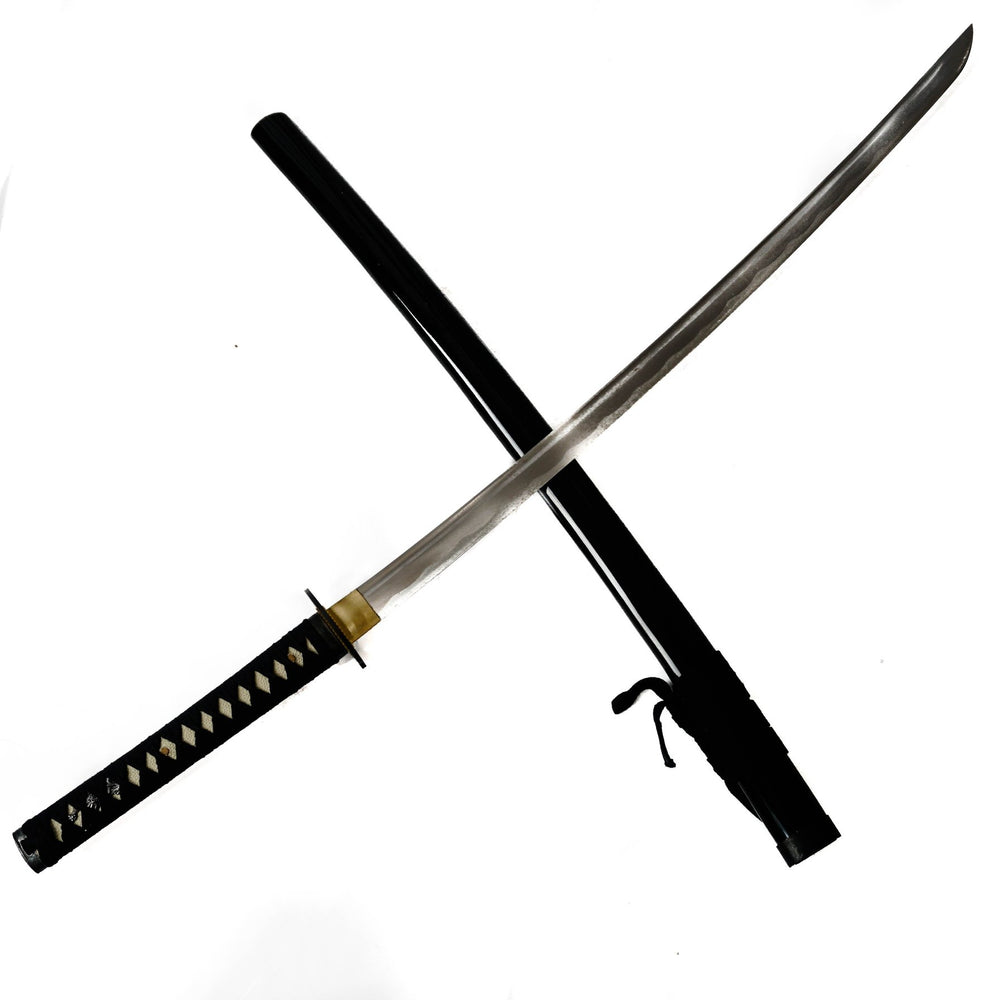
Understanding the parts of a katana helps collectors and martial artists appreciate the craftsmanship involved. The blade (ha) features the curved cutting edge meeting the tempered hamon line that runs along its length. The kissaki is the precisely shaped tip, and the mune is the unsharpened spine. The nakago is the hidden tang inside the handle, often signed by the smith on traditionally forged blades. The tsuka handle is wrapped in silk or cotton cord (tsuka-ito) over rayskin (samegawa), with small ornamental menuki grip ornaments tucked beneath the wrap. The tsuba hand guard often features elaborate metalwork, and the habaki blade collar locks the blade into the saya lacquered wood scabbard. Quality katanas feature properly aligned and secured components built using traditional construction methods.
Battle-ready katanas feature full-tang nakago construction, high-carbon 1095 steel blades, and proper heat treatment suitable for tameshigiri (traditional test cutting on tatami mats and bamboo), serious martial arts training, and cutting practice. Decorative katanas are typically made from stainless steel with partial or rat-tail tangs and are designed for wall display, cosplay, anime-inspired collections, and themed home decor. For traditional iaido practice, iaito are unsharpened practice katanas weighted and balanced to match a live blade, allowing safer drawing and form practice. For kendo, bokken (wooden practice swords) and shinai (bamboo practice swords) serve specific training needs.
These katanas are popular for martial arts practice (iaido, kenjutsu, kendo, battōjutsu, aikido), tameshigiri cutting practice on tatami and water bottles, home dojos and martial arts studios, samurai and ronin cosplay, anime and manga-inspired collections (including demon slayer-style katanas, anime sword tributes, and stylized fantasy versions), Renaissance faires and historical demonstrations, Japanese-themed offices and dens, ceremonial gifts for martial arts rank promotions (shodan, nidan, and beyond), and serious collector showpieces honoring centuries of nihonto tradition. Many customers choose katanas as meaningful gifts for graduations, military retirements, milestone birthdays, and significant martial arts achievements.
Browse the collection to find traditionally forged katanas, hand-folded Damascus blades, battle-ready cutting swords, and decorative display katanas that fit your training, collection, or display.
A katana is the iconic curved, single-edged Japanese long sword developed in feudal Japan during the Muromachi period and used by samurai warriors from roughly the 14th century onward. Worn edge-up through the belt and wielded primarily with two hands, the katana features a blade between 60 and 80 cm long, a moderate curve, and a precisely shaped tip optimized for both cutting and thrusting.
The hamon is the visible wavy or straight line running along the blade where the hard cutting edge meets the softer spine, created through differential clay tempering. Before quenching, the smith applies thick clay to the spine and thin clay to the edge, causing the edge to cool faster and harden more aggressively. A genuine hamon indicates that the katana has been properly clay-tempered, a hallmark of traditional Japanese sword-making.
Yes. Battle-ready katanas with sharpened edges can cut exceptionally well. Properly forged high-carbon 1095 katanas are routinely used in tameshigiri to slice through tatami mats, bamboo, and water-filled bottles. However, decorative stainless steel katanas are not designed for cutting and may bend or break dangerously if used to strike anything. Always verify a katana is rated battle-ready before attempting cutting practice.
Tameshigiri (test cutting) is the traditional Japanese practice of testing a sword's cutting ability and the swordsman's technique on rolled tatami omote mats, sometimes wrapped around bamboo. Modern practitioners use tameshigiri to develop and refine cutting form, blade alignment, edge geometry, and proper sword handling. Battling Blades carries battle-ready katanas suitable for tameshigiri practice.
The katana is the long sword (60 to 80 cm blade) wielded primarily two-handed as the samurai's main battlefield weapon. The wakizashi is the shorter companion sword (30 to 60 cm blade) worn alongside the katana, used for close-quarters fighting, indoor combat where a katana was impractical, and ceremony. Together they form the traditional daisho pairing that symbolized samurai status.