

 Fast & Free Shipping
 30 day Money Back
 Secure Checkout
 Fast & Free Shipping
30 day Money Back
Secure Checkout
Fast & Free Shipping
30 day Money Back
Secure Checkout
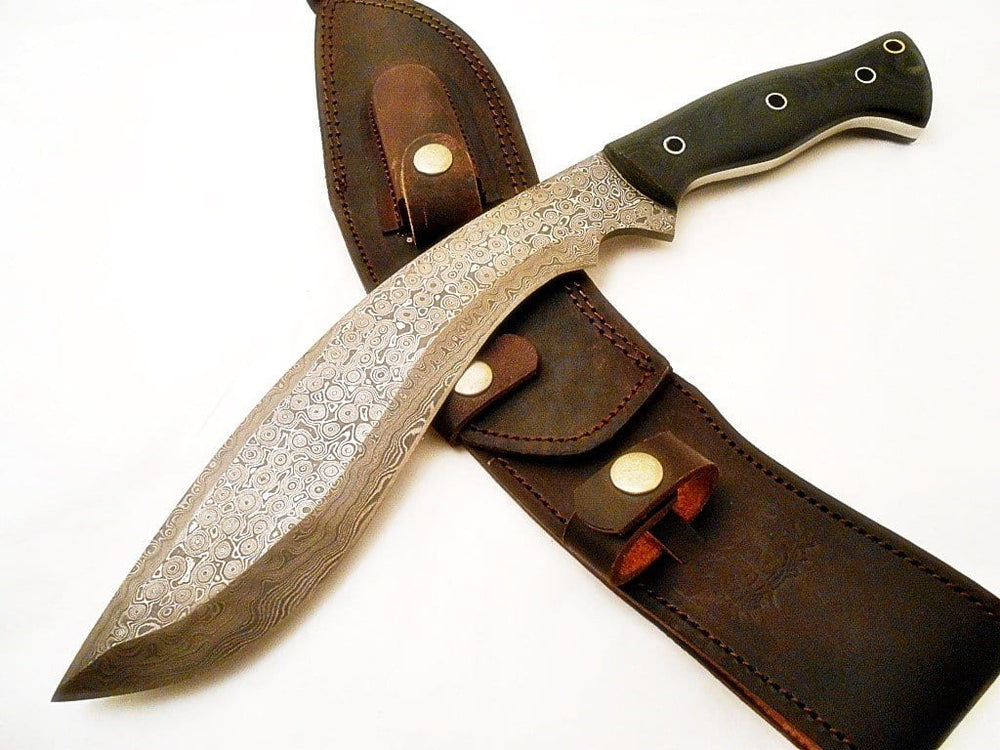
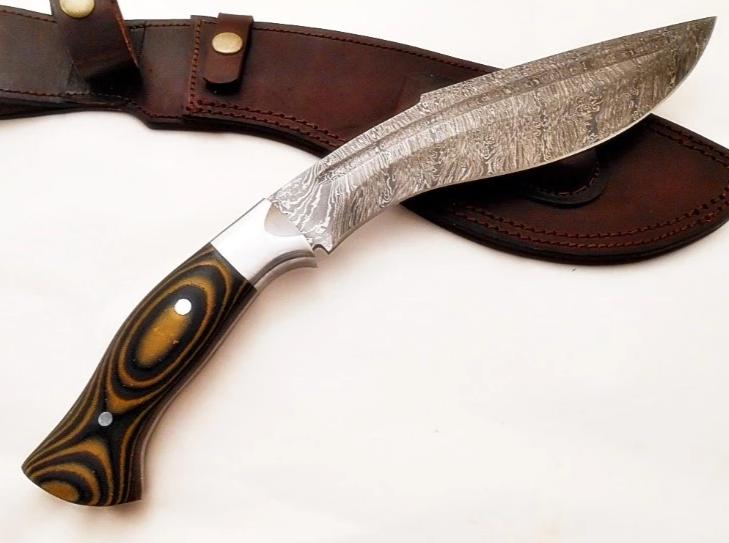
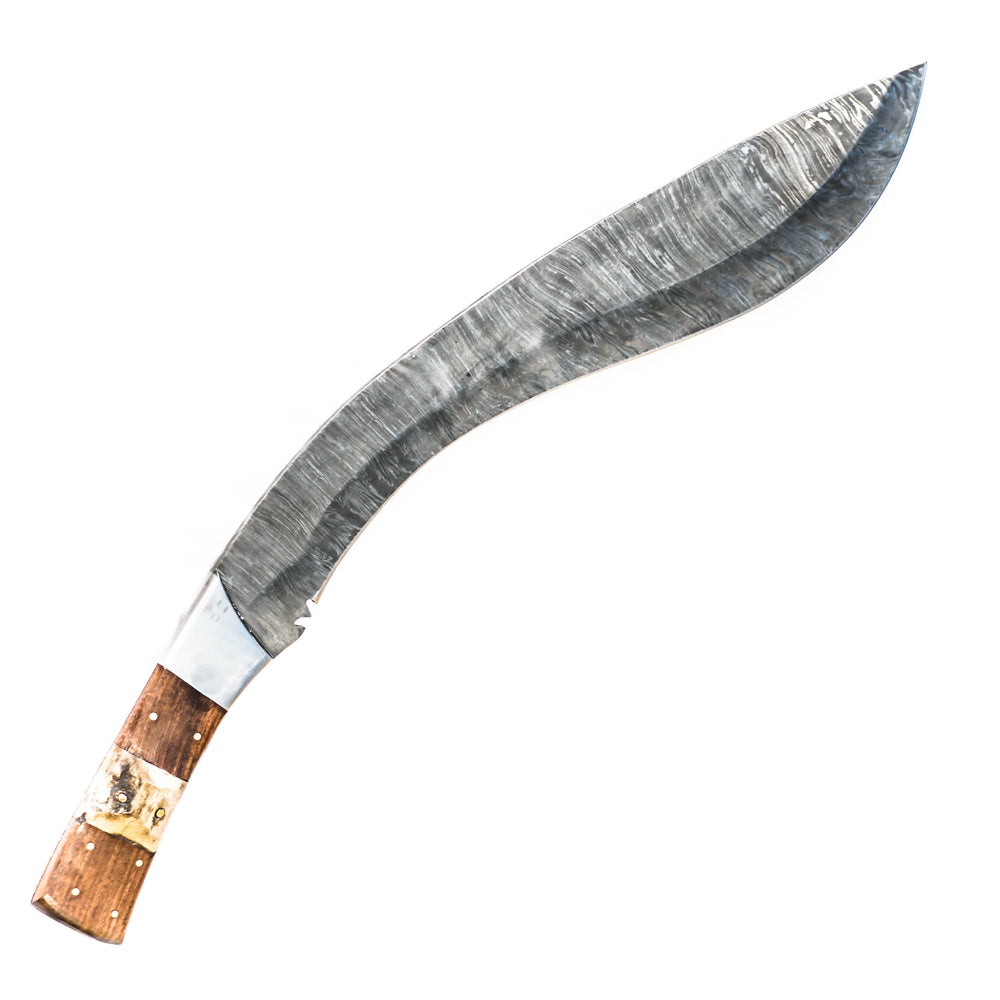
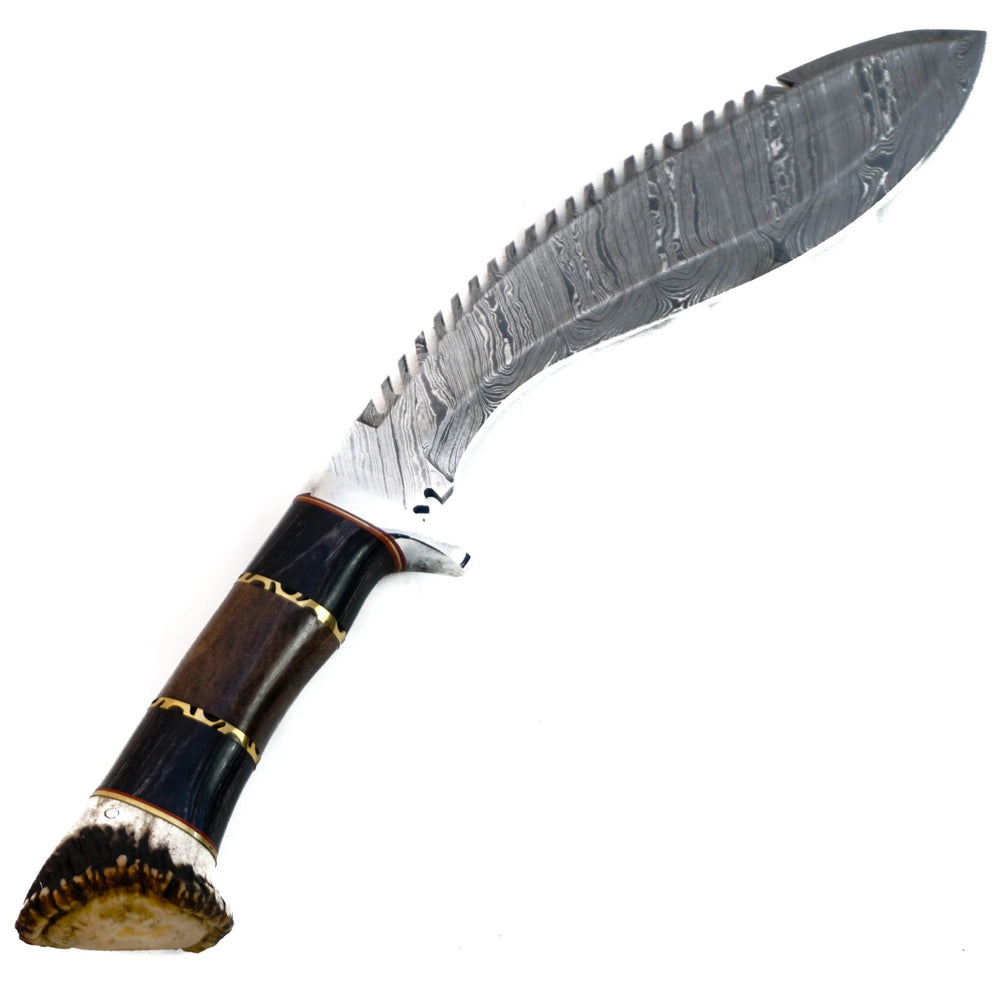
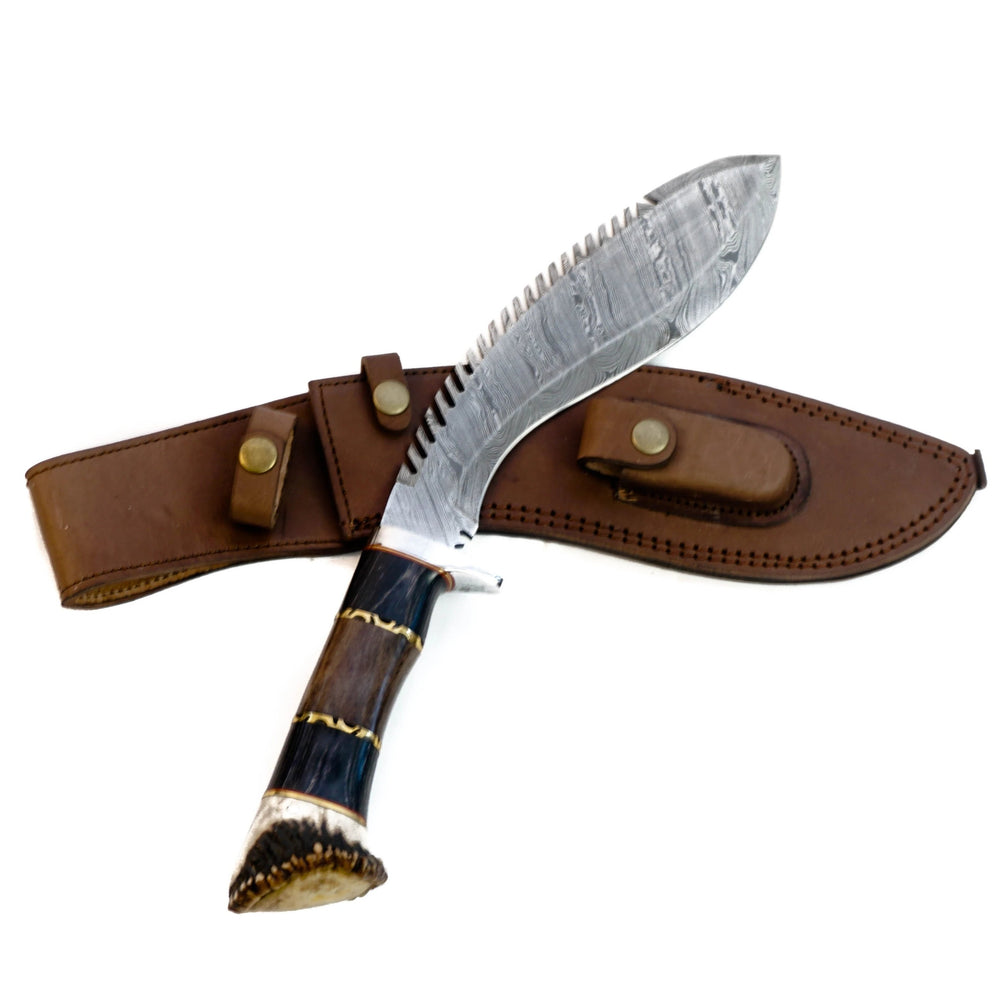
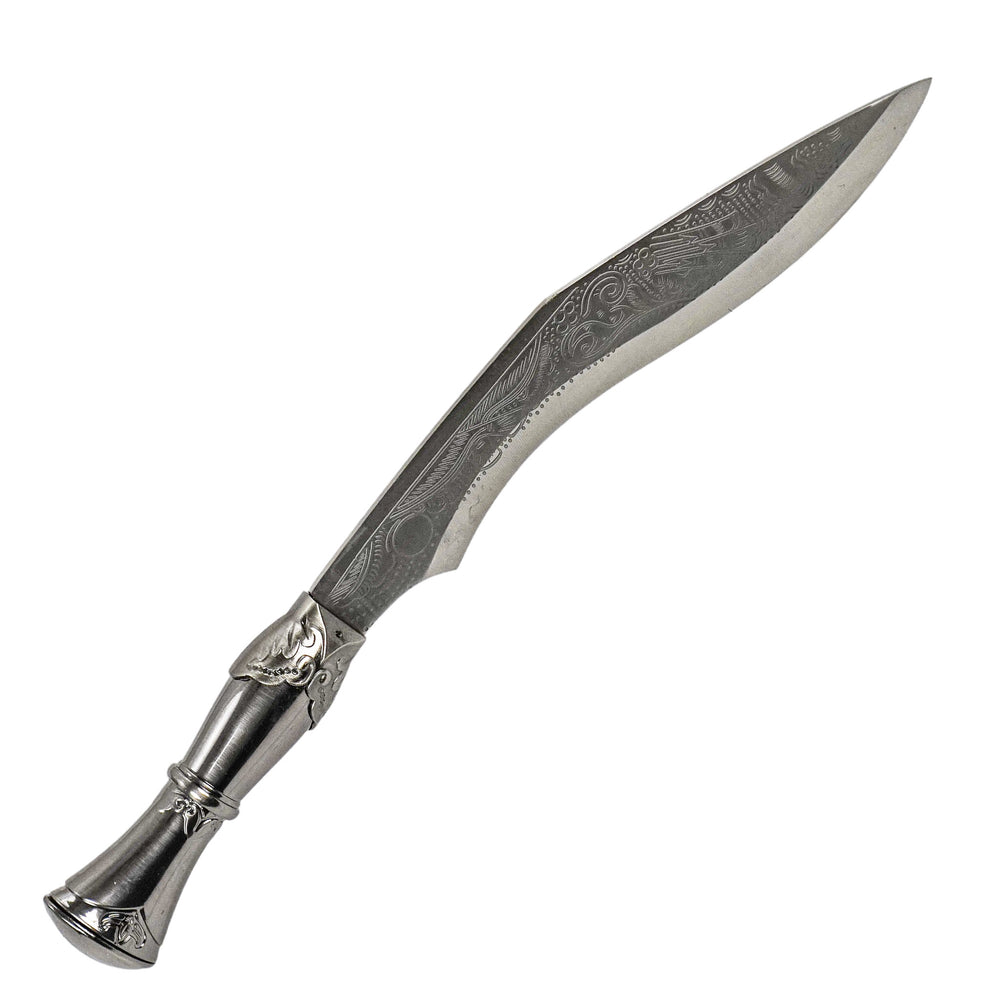
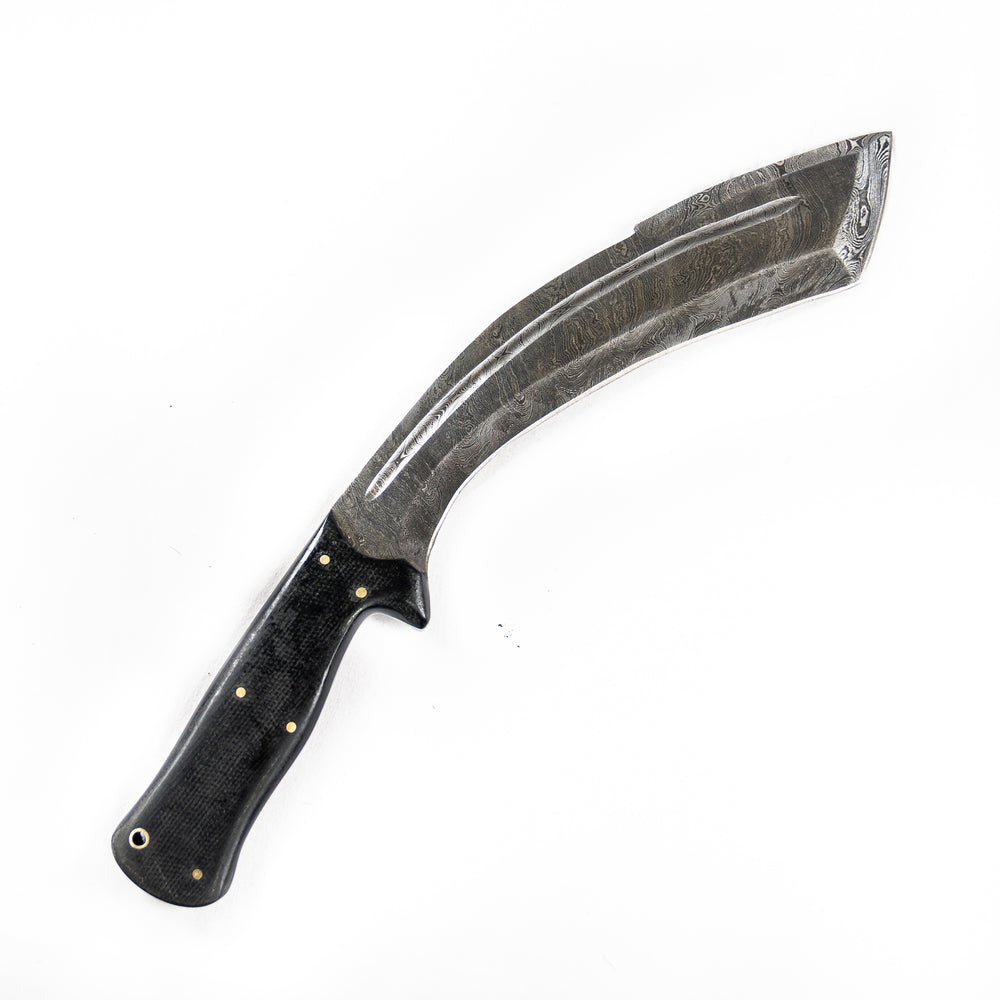
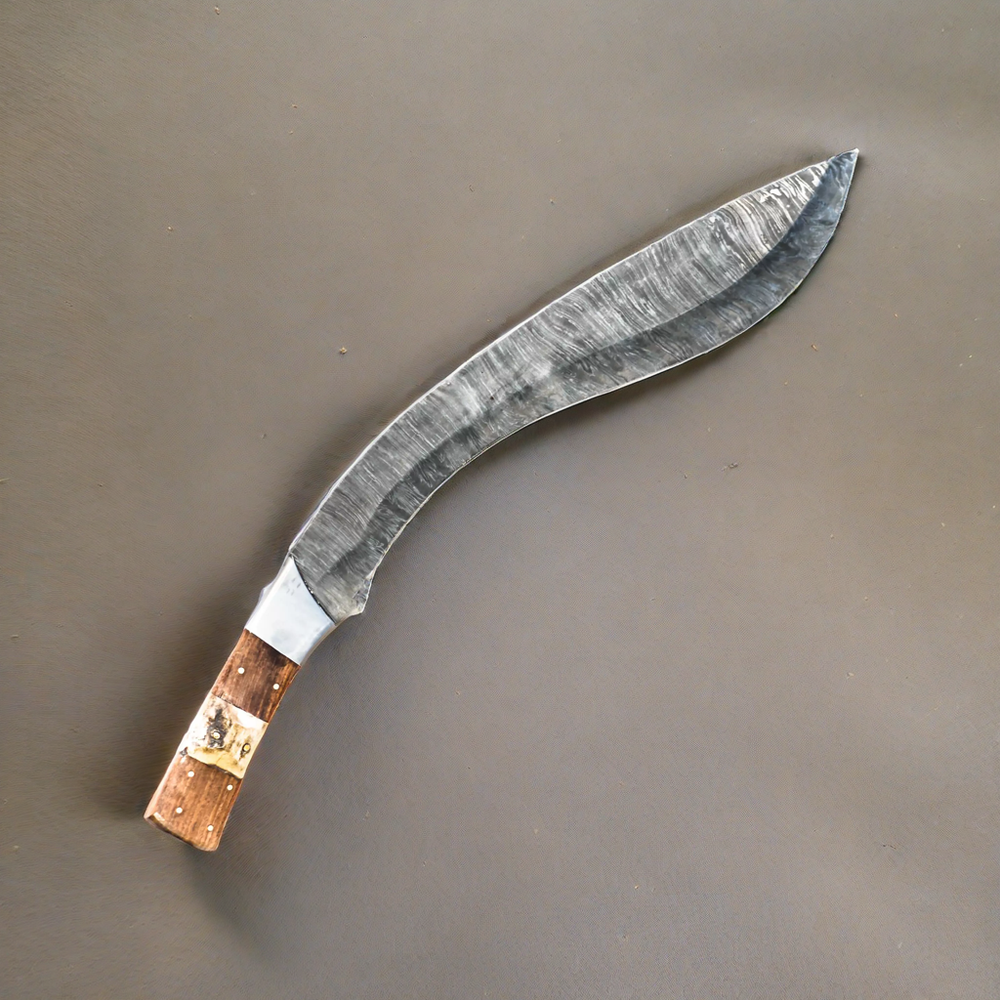
Explore Gurkha kukris inspired by the legendary forward-curved blade of Nepal — the iconic weapon and tool of the Gurkha soldiers whose battlefield reputation has made the kukri famous worldwide. This collection includes traditional Nepalese kukris, military-issue Gurkha khukuris, hand-forged village patterns, ceremonial kukris, and tactical modern versions designed for collectors, outdoorsmen, survivalists, reenactors, and anyone drawn to the craftsmanship of the Himalayas.
The kukri (also spelled khukuri or khukri) has been the national knife of Nepal for centuries — equal parts weapon, working tool, and cultural symbol. Its distinctive forward-curved blade concentrates devastating chopping force at the belly of the edge, allowing a relatively short blade to outperform much larger swords for cutting tasks. The kukri rose to international fame through the Gurkha regiments of the British and Indian armies, whose soldiers have carried the blade into every major conflict from the 19th century to the present day.
Our kukri collection includes designs with high-carbon steel blades, traditional water buffalo horn handles, rosewood and hardwood grips, brass and steel bolsters, and authentic Nepalese leather scabbards often featuring the two small companion knives — the karda (utility knife) and chakmak (sharpener and fire-starter) — tucked into pockets on the sheath. Many are hand-forged in Nepal by traditional kami bladesmiths using techniques passed down through generations.
Kukris come in distinct patterns developed for different uses and regions. The Service No. 1 is the standard British Gurkha military issue kukri, typically with a 10–11 inch blade — the pattern carried by Gurkha soldiers in active service. The Service No. 2 is the ceremonial dress kukri, often more polished and decorated for parade use. The Bhojpure kukri, from the Bhojpur district of eastern Nepal, features a heavier, more pronounced curve and broader belly — the village workhorse favored for farming, chopping wood, and household tasks.
The Sirupate kukri takes its name from the slender sirupate leaf and features a narrower, lighter blade with a more elegant profile — popular for everyday carry and lighter work. The Ang Khola is a heavy, thick-spined kukri designed for serious chopping and survival use, with a spine that can exceed half an inch. The Budhuna kukri features a thicker, blunter tip optimized for chopping rather than thrusting. Specialty patterns include the Kothimora (an ornately decorated ceremonial kukri with silver-inlaid scabbard), the Janawar Katne (a heavy "animal-cutting" kukri used for butchering), and modern tactical kukris that pair traditional blade geometry with synthetic handles, kydex sheaths, and updated steels for military and survival use.
The kukri's forward-angled blade creates a natural weight-forward balance that delivers chopping power well beyond what its size suggests. The inward curve means the edge meets the target at an angle that effectively lengthens the cutting stroke — a single well-aimed kukri strike can fell saplings, split firewood, or process game faster than a much longer straight blade. Near the handle, most kukris feature a small notch called the cho (or kaudi), which has both practical functions (stopping blood and sap from running onto the handle, providing a stress-relief point in the steel) and symbolic religious significance in Nepalese tradition.
Kukris excel at chopping firewood, clearing brush, processing game, batoning through hardwood, butchering, food prep, shelter building, and general bushcraft tasks where a machete is too thin and an axe too clumsy. Survivalists and bushcrafters carry kukris as do-everything outdoor tools. Outdoorsmen use them for camp work, hunting, and as backup defensive blades. Collectors seek out authentic hand-forged Nepalese kukris, military-issue Gurkha service kukris, and decorated ceremonial Kothimora patterns as serious display pieces.
These kukris are popular for camping, hiking, hunting, off-grid living, homesteading, survival training, bushcraft, military and Gurkha regimental collecting, martial arts study (including traditional Nepalese knife arts), and as meaningful gifts for veterans, outdoorsmen, and admirers of Gurkha history.
What is the difference between a kukri and a khukuri? They're the same knife — just two different romanizations of the original Nepali word खुकुरी. "Khukuri" is closer to the traditional Nepali pronunciation and is preferred in Nepal, while "kukri" is the older British anglicization that became standard in English-speaking countries through the Gurkha regiments. Both spellings refer to the same forward-curved Nepalese blade.
What are the two small knives in a kukri sheath? The two small companion knives traditionally carried in pockets on the kukri sheath are the karda (a small utility knife used for fine cutting and skinning) and the chakmak (an unsharpened steel used as a sharpener for the kukri's edge and historically as a fire-striker against flint). Together with the kukri itself, they form the complete traditional Gurkha knife set.
Why does a kukri have a notch near the handle? The notch is called the cho (or kaudi). It serves practical purposes — preventing blood, sap, or liquid from running onto the handle, and providing a stress-relief point that helps prevent cracks from propagating into the tang. It also carries religious and cultural symbolism in Nepalese Hindu and Buddhist tradition, often interpreted as representing the trident of Shiva or symbolizing the female reproductive organ as a sign of fertility.
Is a kukri better than a machete? They excel at different tasks. A kukri's forward-weighted curve delivers more concentrated chopping power per stroke, making it superior for splitting wood, processing game, and heavy bushcraft. A traditional machete's longer, straighter blade is better for sustained brush clearing, vine cutting, and sweeping motions through dense vegetation. Many outdoorsmen carry both, but if forced to choose one survival blade, the kukri's versatility is hard to beat.
What steel is best for a kukri? Traditional Nepalese kukris are typically forged from recycled spring steel (often from old vehicle leaf springs) — a high-carbon steel that holds a strong edge and stands up to hard chopping use. Modern production kukris use high-carbon steels like 1095, 5160 spring steel, and SK-5 for excellent toughness and edge retention. Stainless steel is suitable only for decorative or display kukris, not heavy field use.
Are kukris legal to own and carry? Kukris are legal to own in all 50 U.S. states. Carry laws vary by state and locality, with some areas restricting fixed-blade length or open carry. Most jurisdictions allow kukris for outdoor, hunting, and utility use. Customers are responsible for checking local laws before carrying a kukri in public.