

 Fast & Free Shipping
 30 day Money Back
 Secure Checkout
 Fast & Free Shipping
30 day Money Back
Secure Checkout
Fast & Free Shipping
30 day Money Back
Secure Checkout
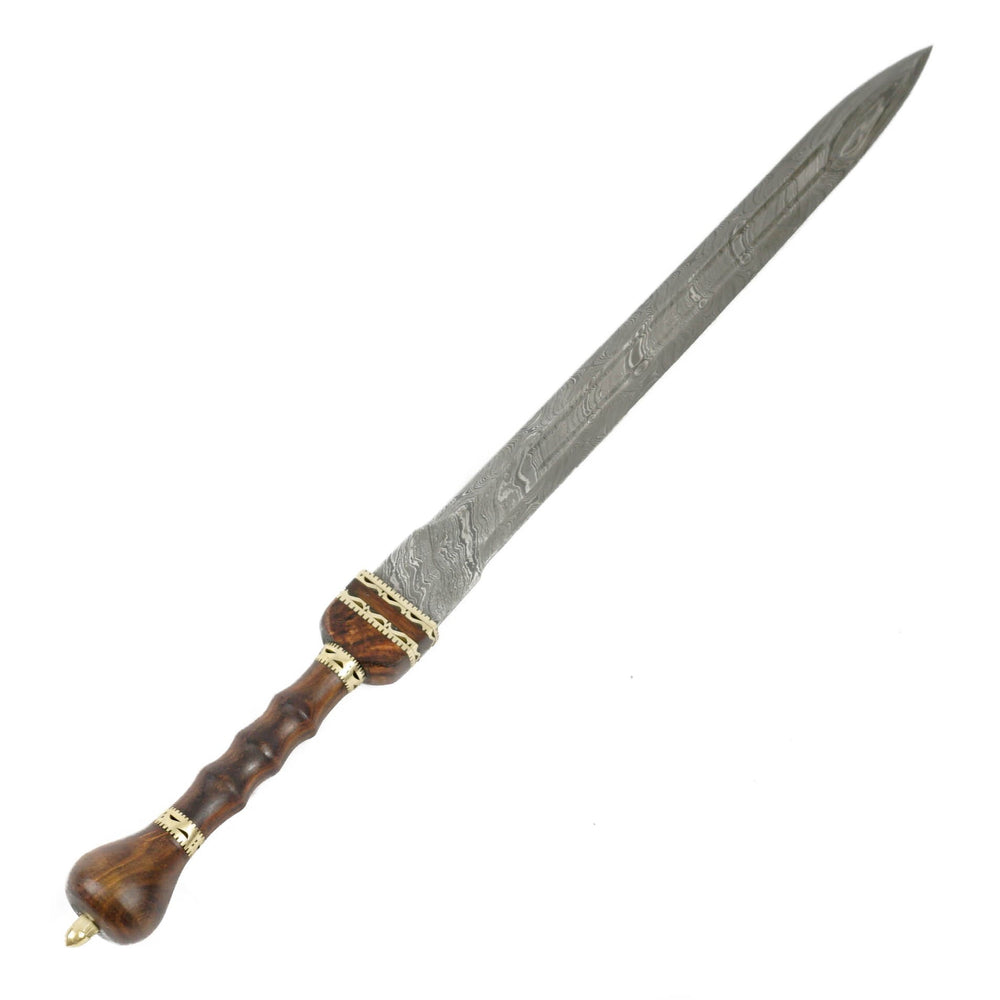
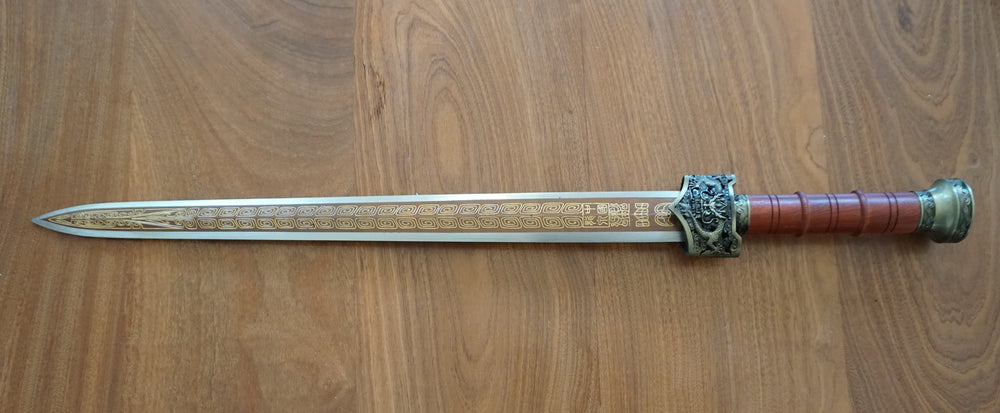
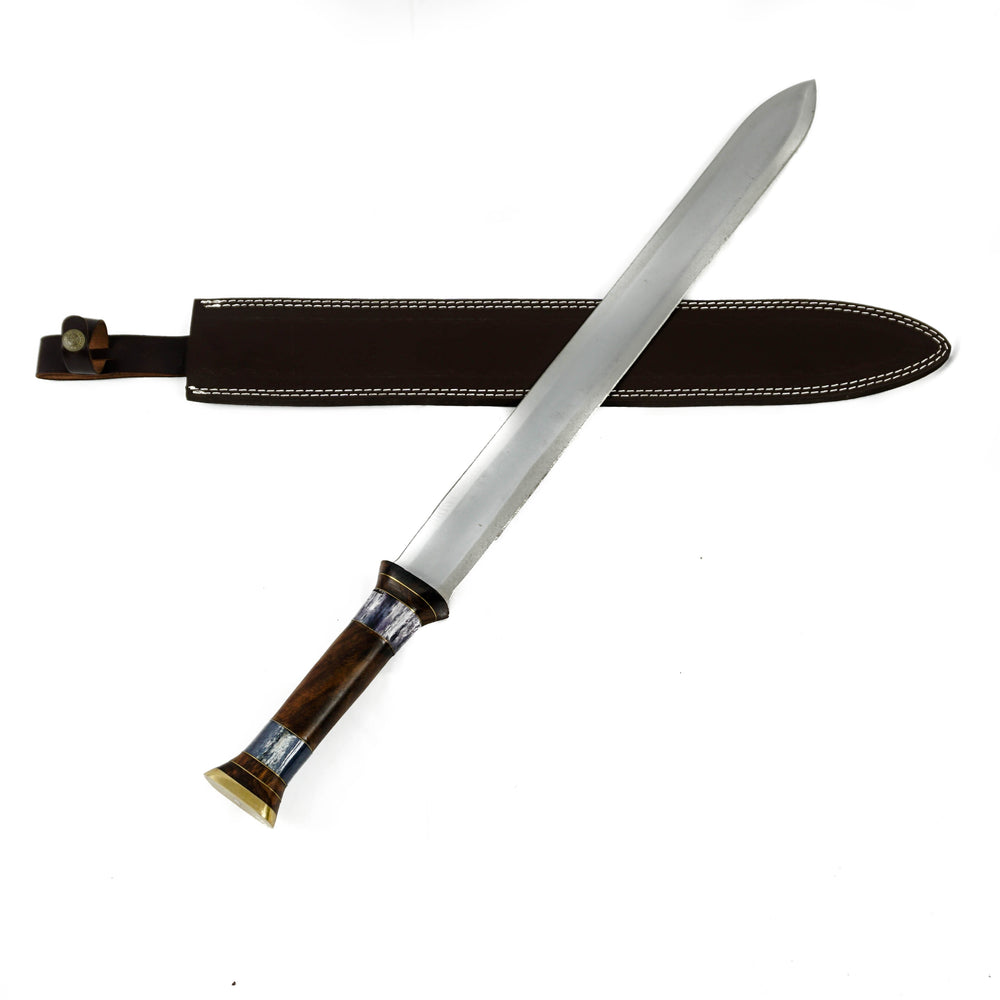
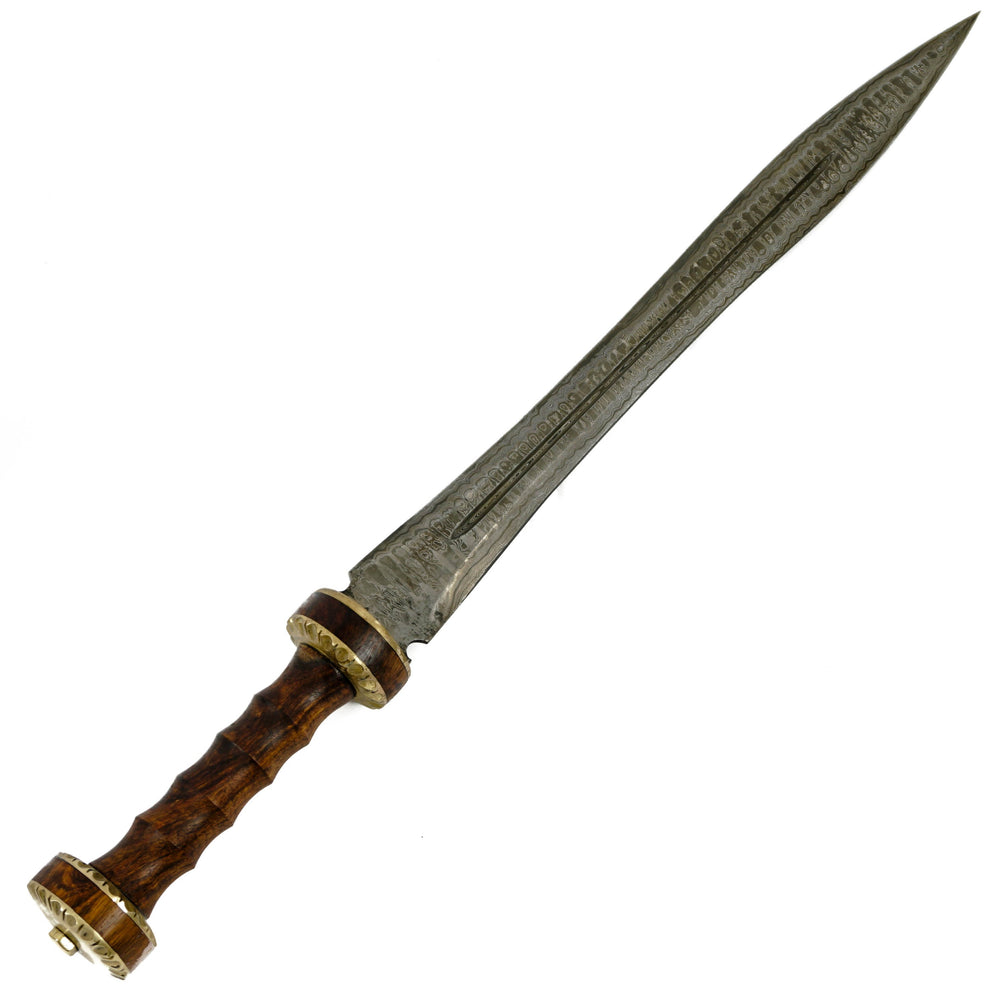
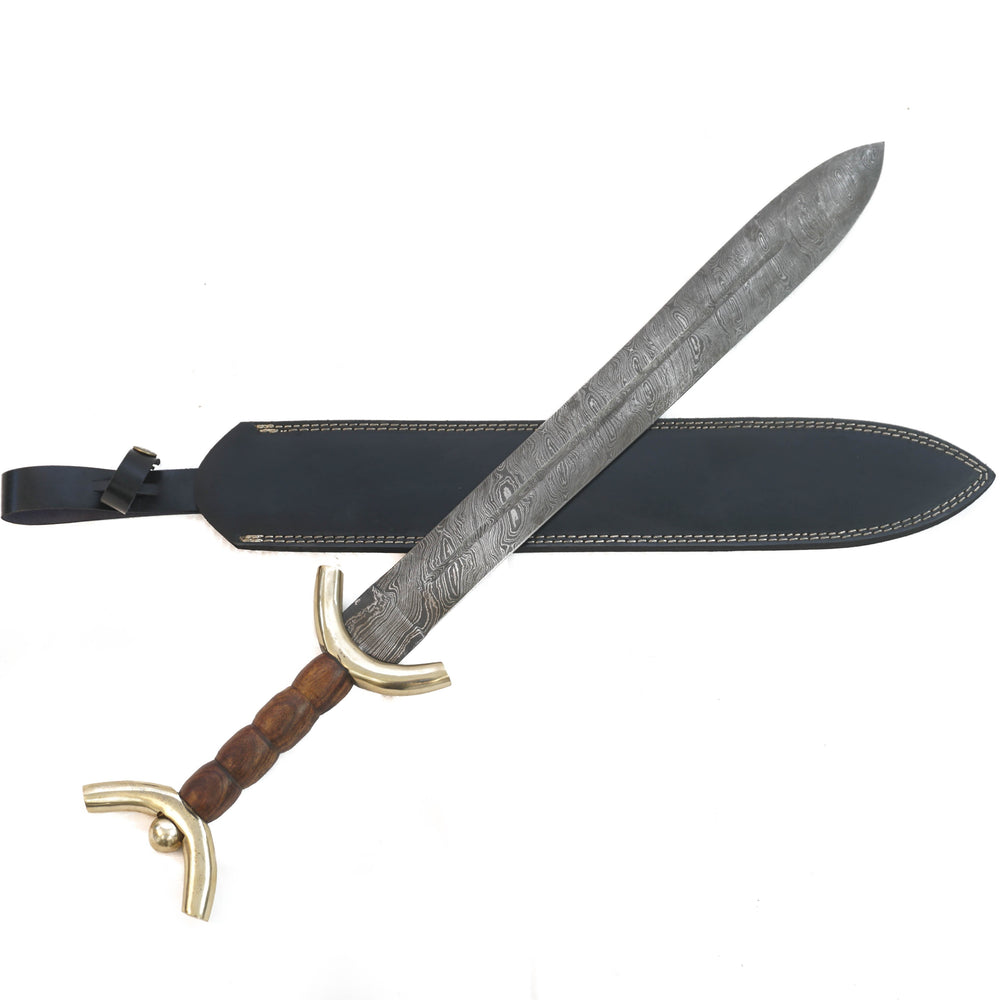
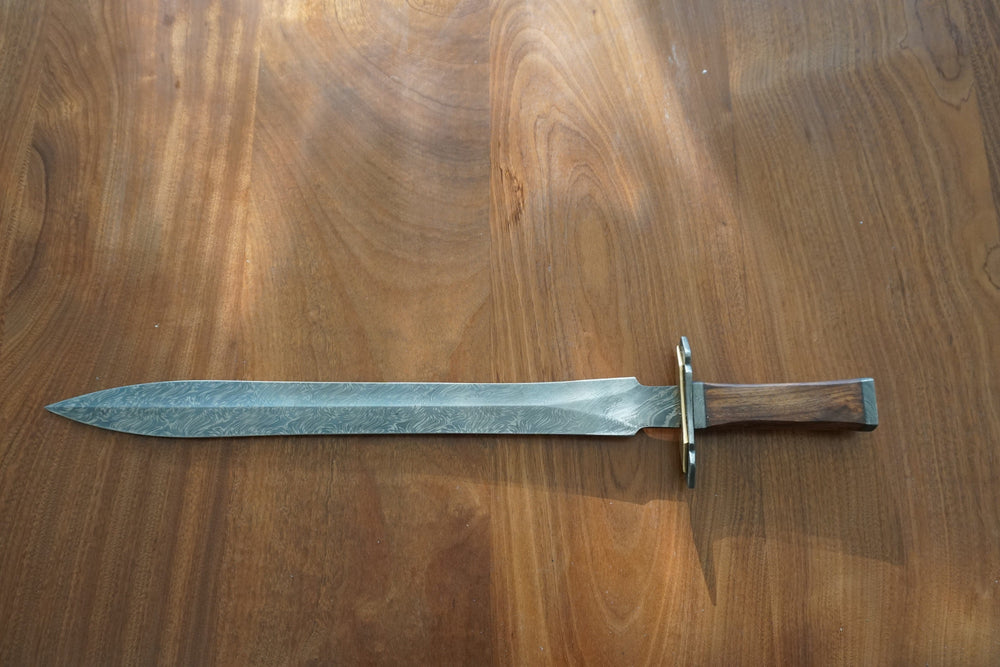
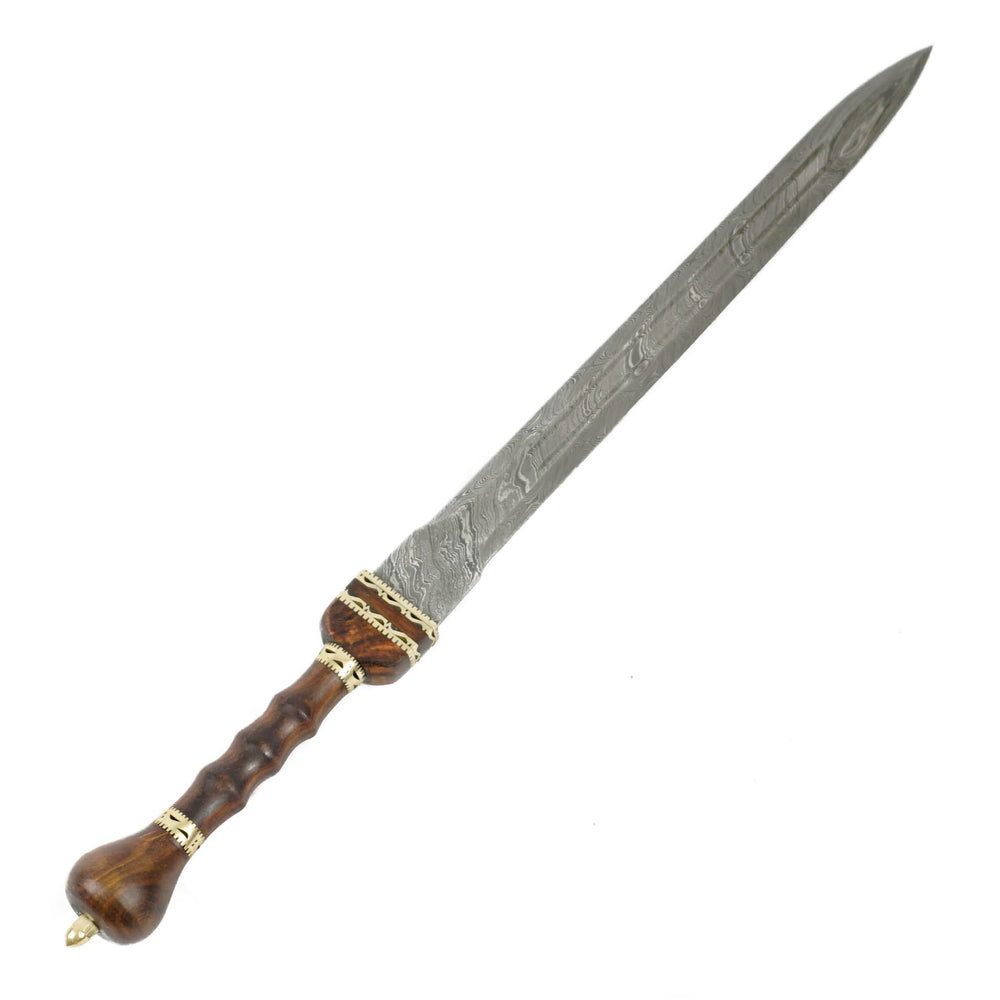
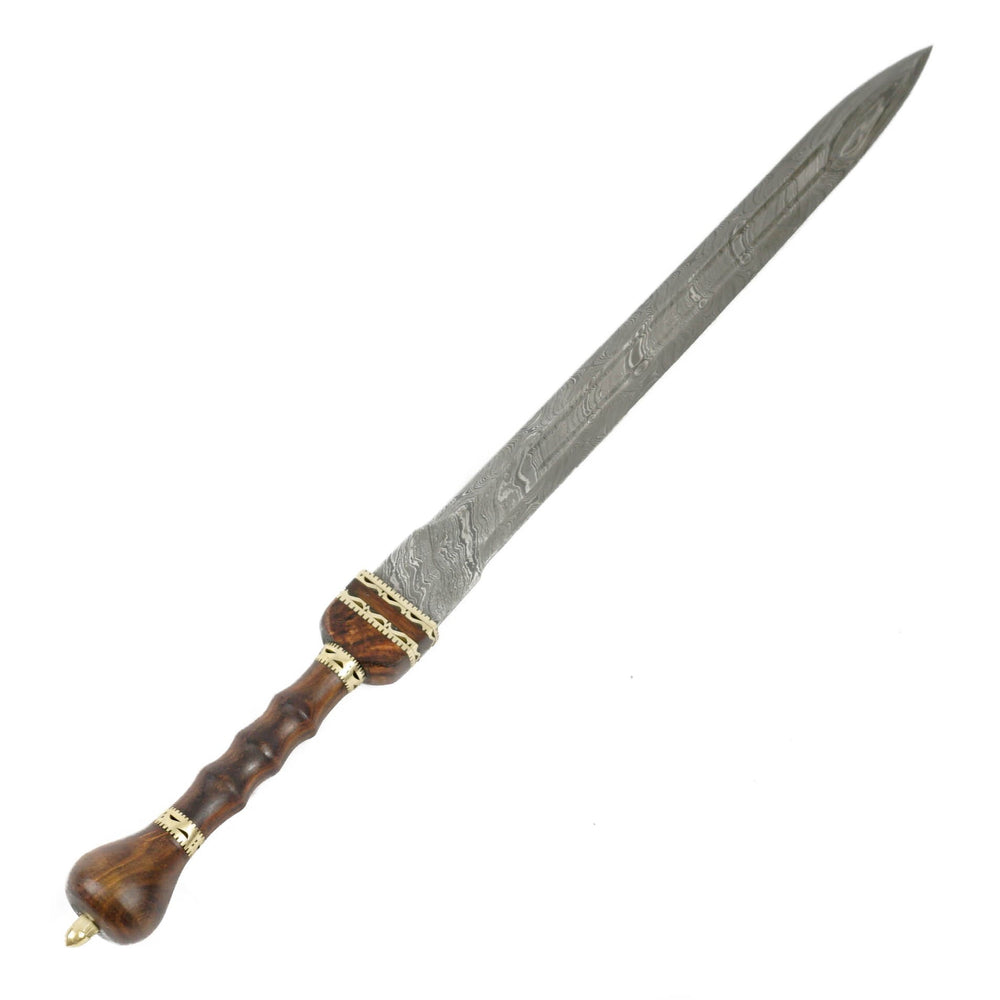
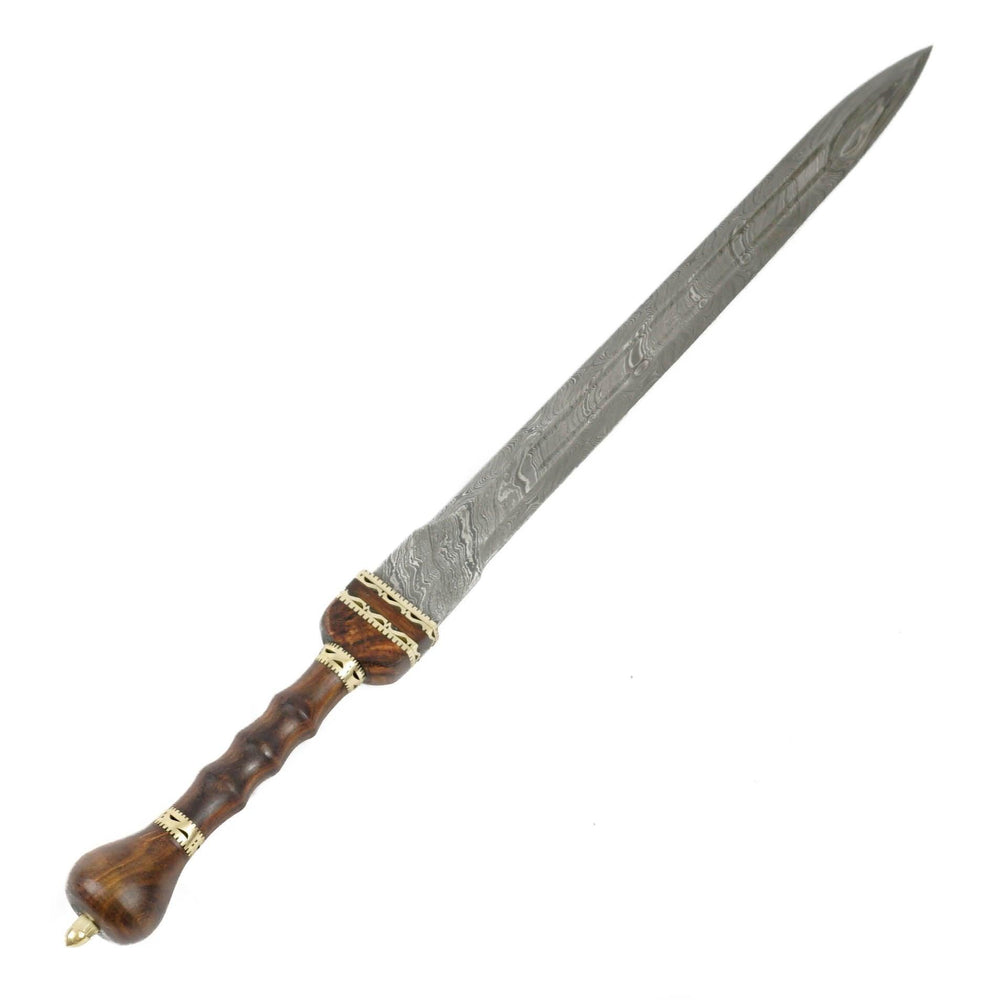
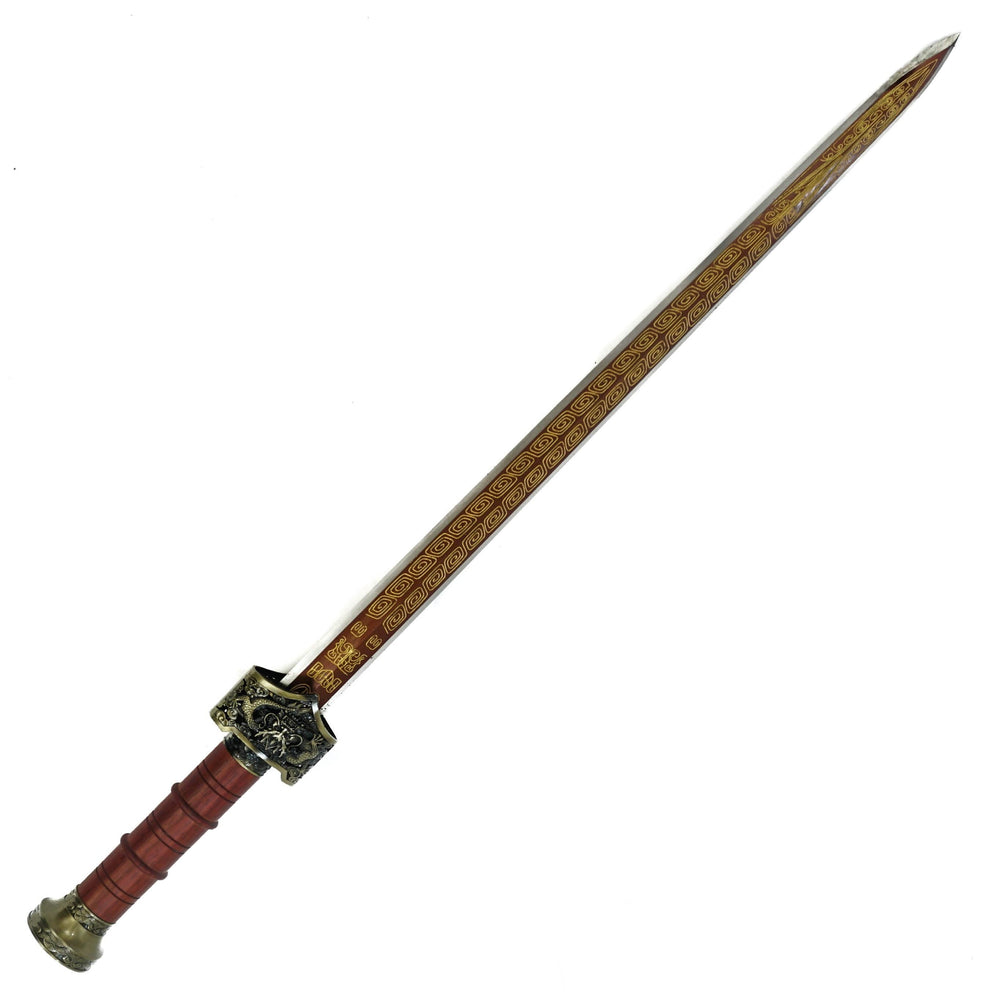
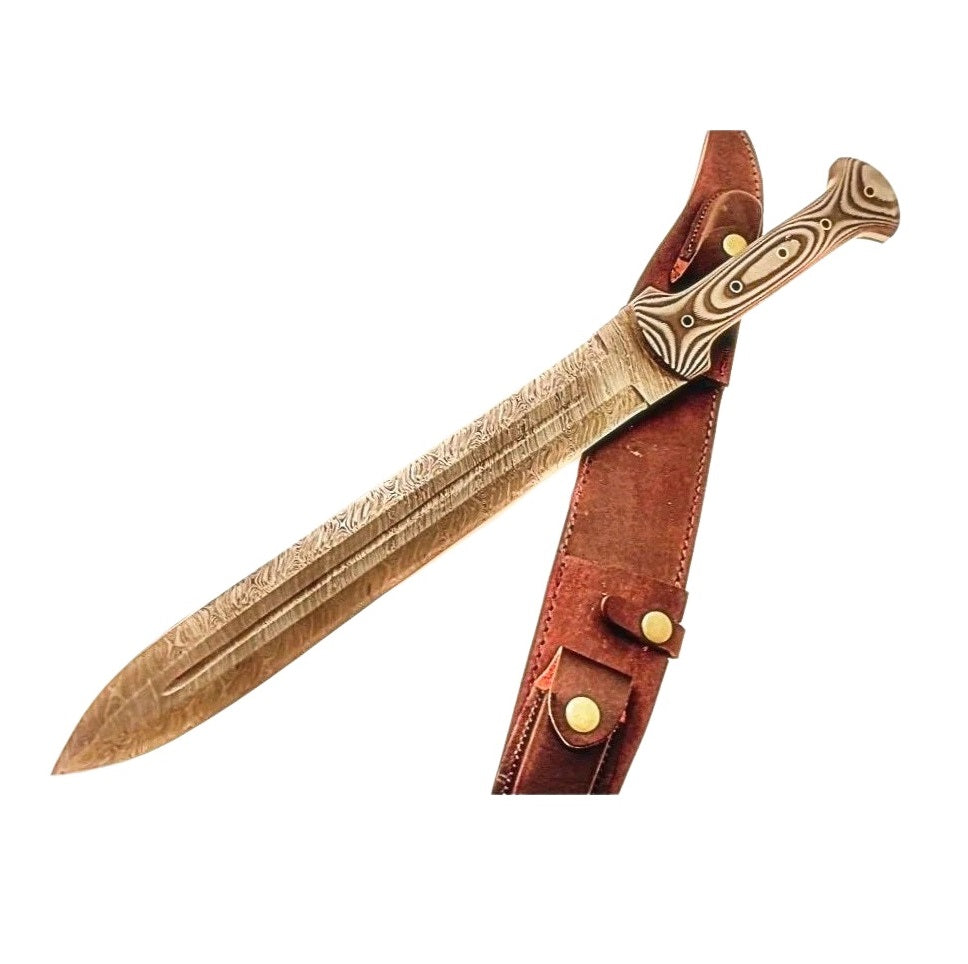
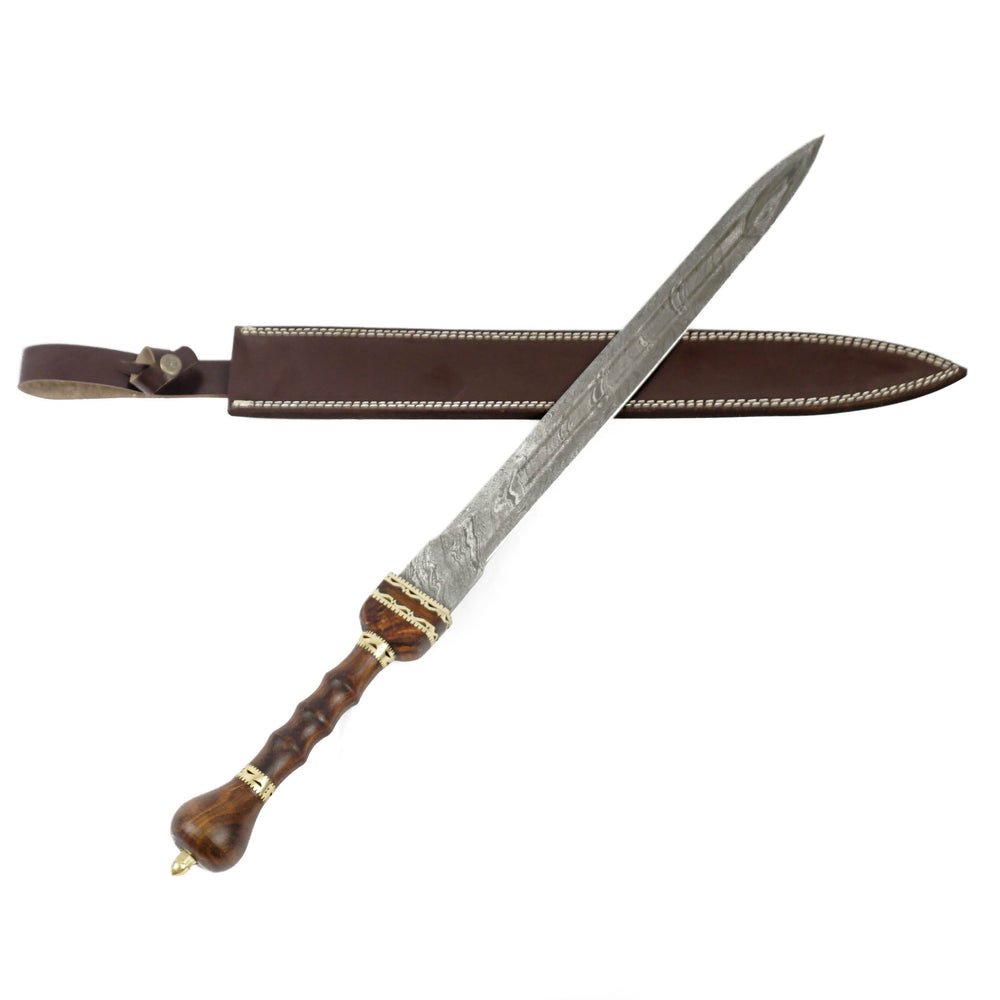
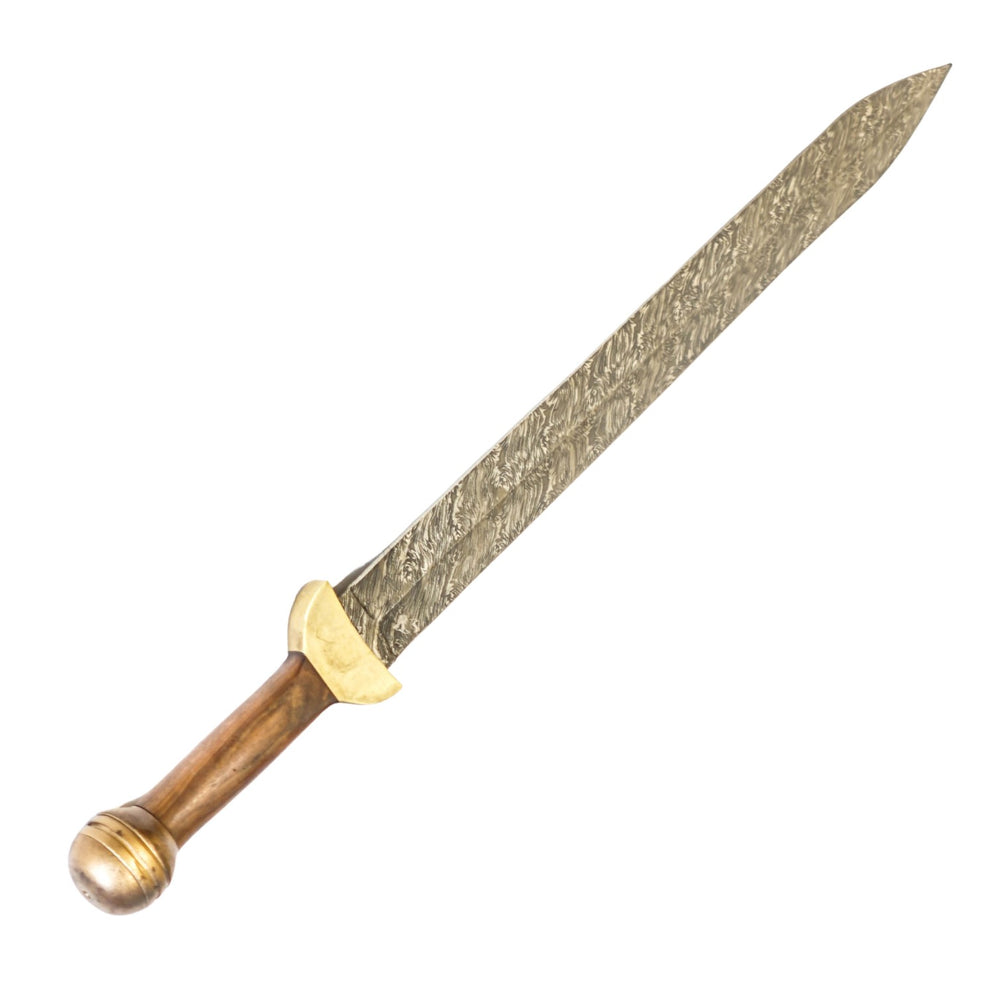
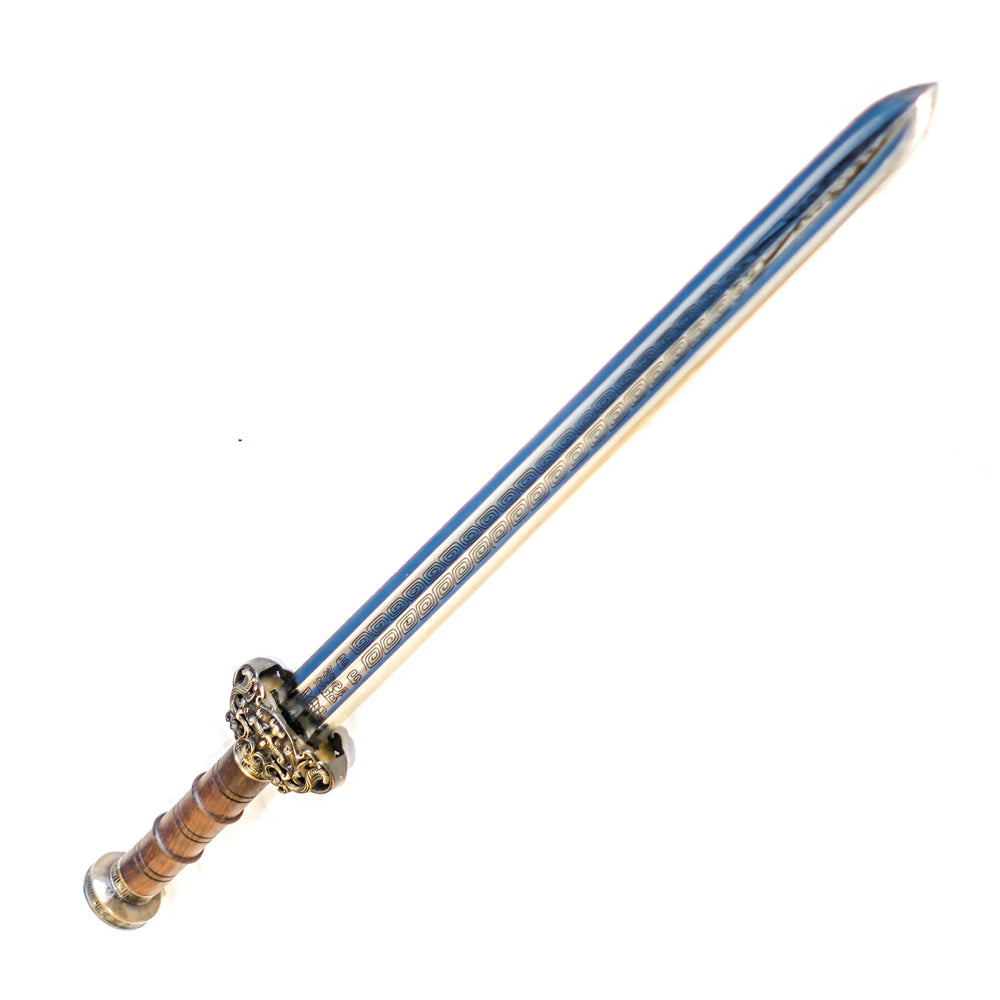
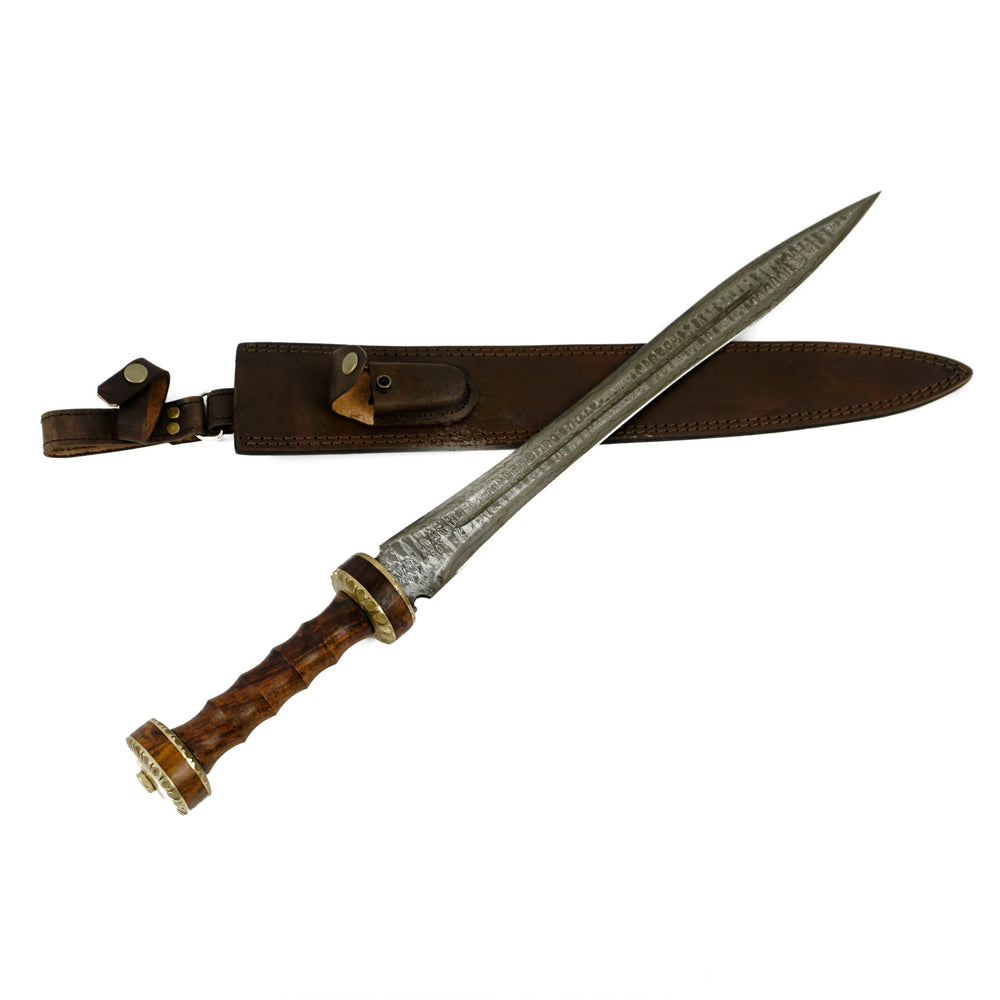
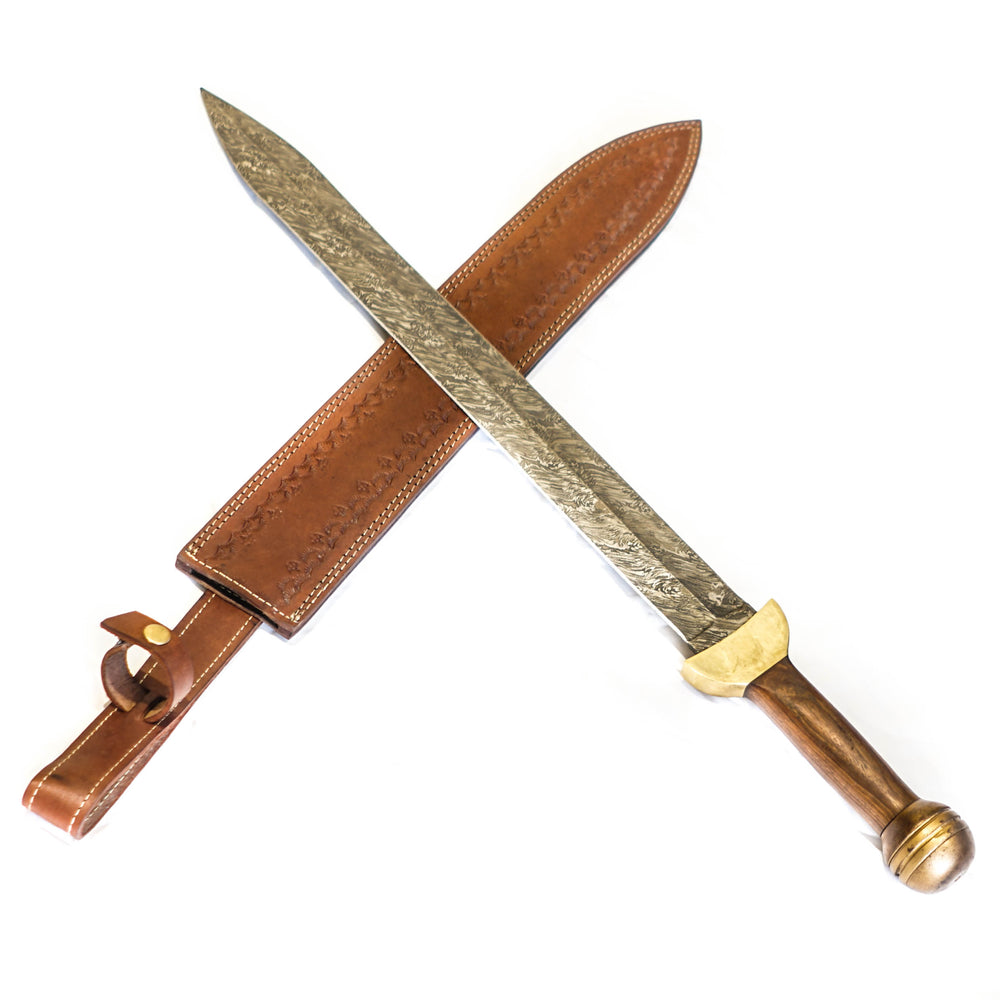
Explore gladius swords inspired by the iconic short sword of the Roman legions — the weapon that helped build an empire stretching from Britain to the Persian Gulf. This collection includes battle-ready gladius swords, decorative Roman blades, museum-style replicas, and centurion-grade reproductions designed for collectors, reenactors, martial artists, cosplayers, and anyone drawn to ancient Rome and classical military history.
The gladius (Latin for "sword") was the primary close-combat weapon of the Roman legionary for nearly five centuries, from the Punic Wars through the late Empire. Short, broad, and devastatingly effective in tight formation fighting, the gladius was wielded behind the scutum shield in coordinated thrust-and-shield-bash tactics that proved nearly unbeatable on ancient battlefields. Roman writers credited the gladius — adopted from the Iberian Celtiberians — with much of Rome's military success.
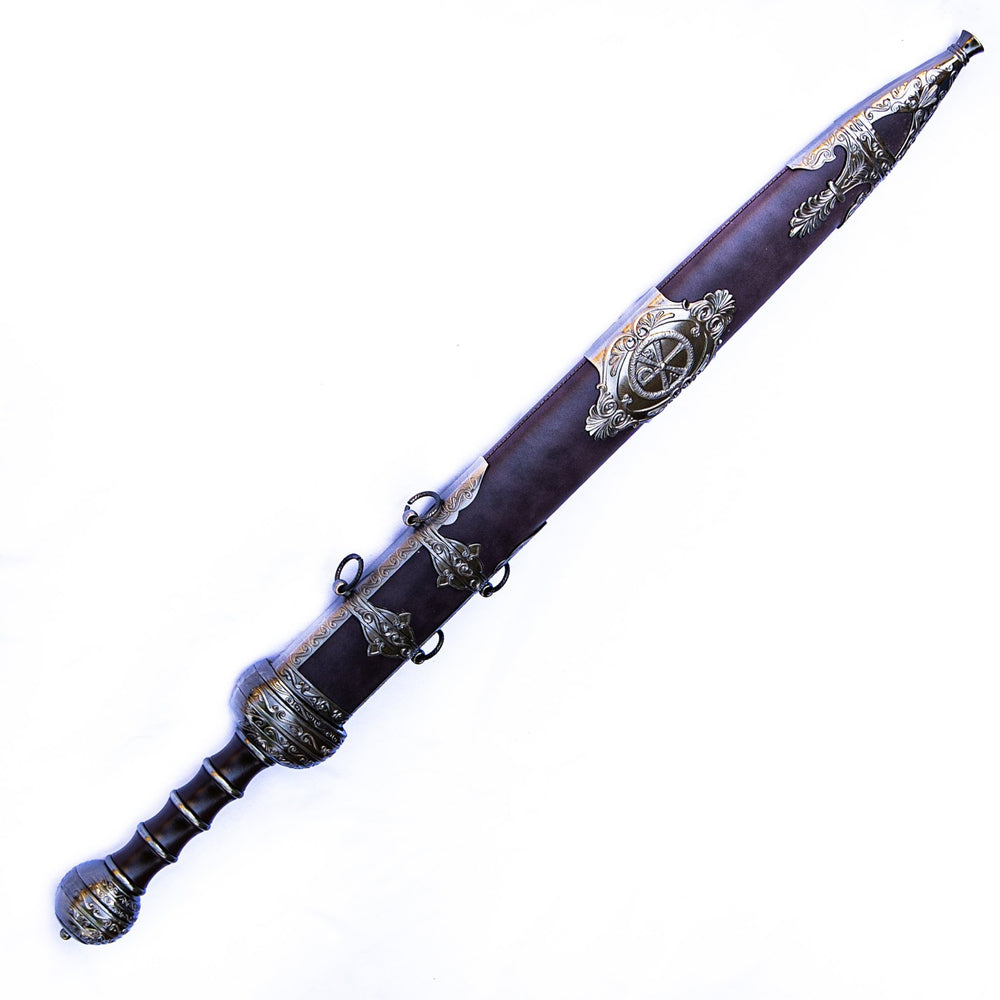
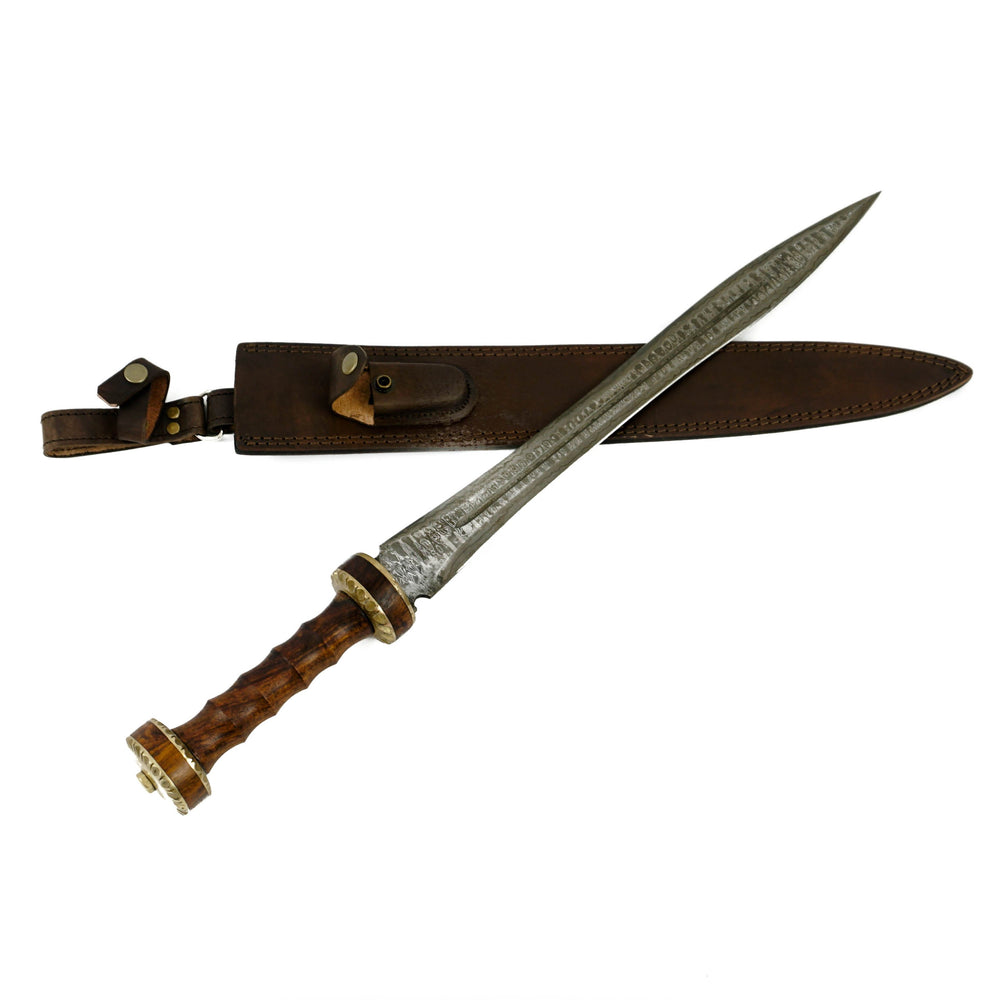
Our gladius collection includes designs with double-edged carbon steel blades, wood and bone handles, brass and bronze fittings, distinctive Roman pommels, and traditional wood-and-leather scabbards often featuring decorated metal mounts. Some are forged from high-carbon 1060 or 1095 steel for serious cutting and reenactment use, while decorative pieces feature stainless steel for display and cosplay.
The gladius evolved through several distinct patterns over Rome's military history. The Gladius Hispaniensis ("Spanish sword") is the earliest form, adopted by Rome during the Second Punic War in the 3rd century BC after Roman soldiers encountered the weapon among Iberian warriors. It featured a longer, leaf-shaped blade and remained in use through the late Republic. The Mainz gladius, named for archaeological finds along the Rhine frontier, is a shorter early-Imperial pattern with a distinctive wasp-waisted blade and long triangular point — ideal for the thrust-focused tactics of the early Principate.
The Fulham gladius, named for an example recovered from the River Thames, represents a transitional pattern with straighter edges and a shorter point. The Pompeii gladius, named for examples preserved at Pompeii, is the latest and most common Imperial type — featuring parallel edges, a shorter triangular tip, and a lighter, more efficient profile that became the standard legionary sidearm from the mid-1st century AD onward. The related spatha is the longer cavalry sword that gradually replaced the gladius as standard legionary equipment by the 3rd century AD, and the pugio is the broad-bladed Roman military dagger carried alongside the gladius.
Battle-ready gladius swords feature full-tang construction, high-carbon or spring steel blades, and proper heat treatment suitable for cutting practice, Roman martial arts study, and serious reenactment use. Decorative gladius swords are typically made from stainless steel with partial tangs and are designed for wall display, costume use, cosplay, and themed home decor. Blunt-edged training gladii are popular for safer contact reenactment at events featuring Roman legionary demonstrations and ancient warfare displays.
These gladius swords are popular for Roman reenactment groups, ancient history enthusiasts, classical martial arts study, museum-style home displays, Roman-themed offices and dens, cosplay for productions set in ancient Rome, Renaissance and historical fairs featuring classical periods, ceremonial gifts for history buffs and Latin students, and serious collector pieces honoring one of the most influential weapons in military history. Many customers choose the gladius as a meaningful gift for fans of Roman history, classical literature, gladiator films, and ancient military strategy.
Browse the collection to find authentic-style gladius swords, Mainz and Pompeii pattern reproductions, decorative Roman blades, and historically inspired weapons that fit your collection, training, or display.
What is a gladius? A gladius is the short, double-edged sword used by Roman legionaries from the 3rd century BC through the 3rd century AD. Typically 18–24 inches long overall, it was designed for thrusting attacks in close formation behind a large shield. The word "gladius" simply means "sword" in Latin, and the term "gladiator" — literally "swordsman" — derives from it.
What's the difference between a Mainz and a Pompeii gladius? The Mainz gladius (early Imperial) has a longer wasp-waisted blade with a long triangular point, optimized for armor-piercing thrusts. The Pompeii gladius (mid- to late-Imperial) has parallel edges and a shorter triangular tip — lighter, faster, and more efficient for general legionary use. The Pompeii pattern eventually replaced the Mainz as the standard legionary sword.
How is a gladius different from a spatha? The gladius is short (about 18–24 inches overall), broad, and designed for thrusting from behind a shield in tight formation. The spatha is longer (typically 30+ inches), narrower, and originally a cavalry sword that gave mounted troops greater reach. As Roman tactics evolved and infantry formations loosened, the spatha gradually replaced the gladius as the standard legionary weapon by the 3rd century AD.
What steel is best for a gladius? For functional gladius swords, high-carbon 1060 steel offers a strong balance of durability and price. 1095 carbon steel provides superior edge retention and hardness. 5160 spring steel offers excellent toughness for reenactment and cutting use. Stainless steel is suitable only for decorative display gladii, not for cutting practice.
Are gladius swords legal to own in the US? In most states, gladius swords are legal to own and display at home without restriction. Carry laws vary by state and locality. Customers are responsible for verifying local regulations before purchase.