

 Fast & Free Shipping
 30 day Money Back
 Secure Checkout
 Fast & Free Shipping
30 day Money Back
Secure Checkout
Fast & Free Shipping
30 day Money Back
Secure Checkout
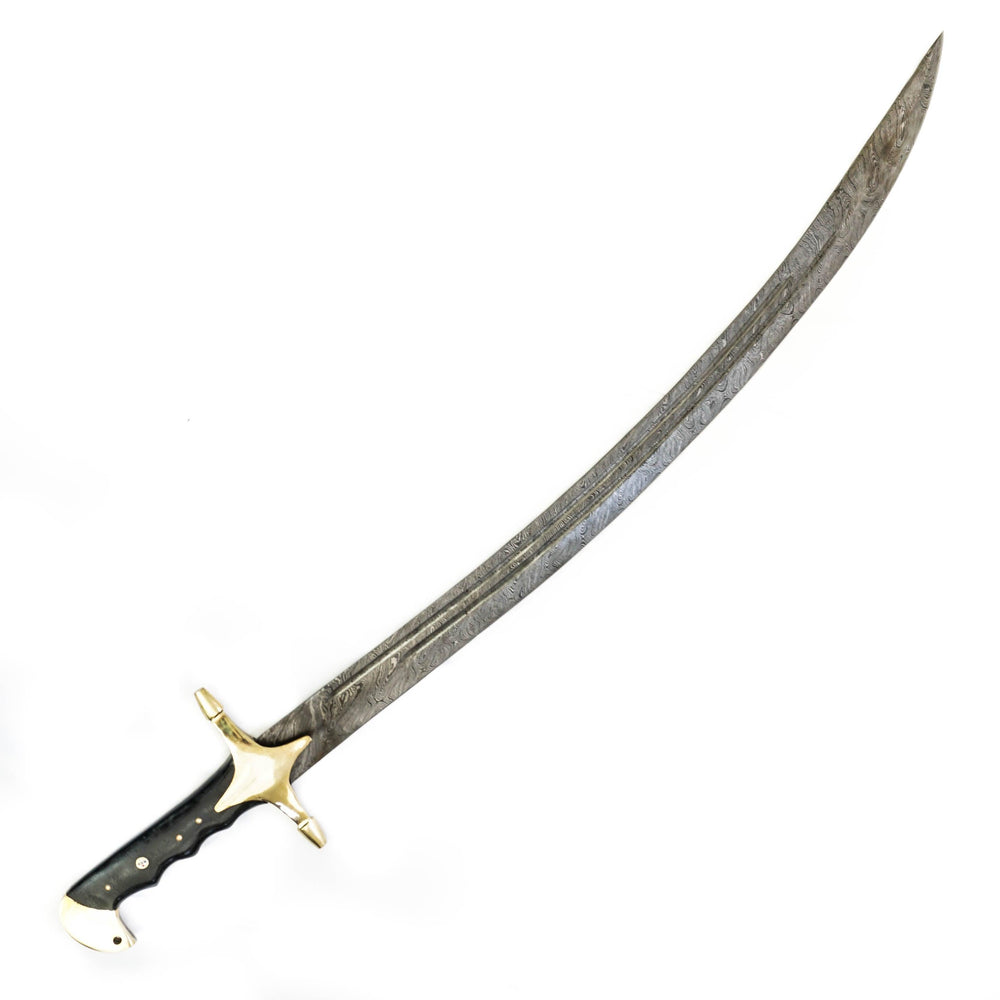
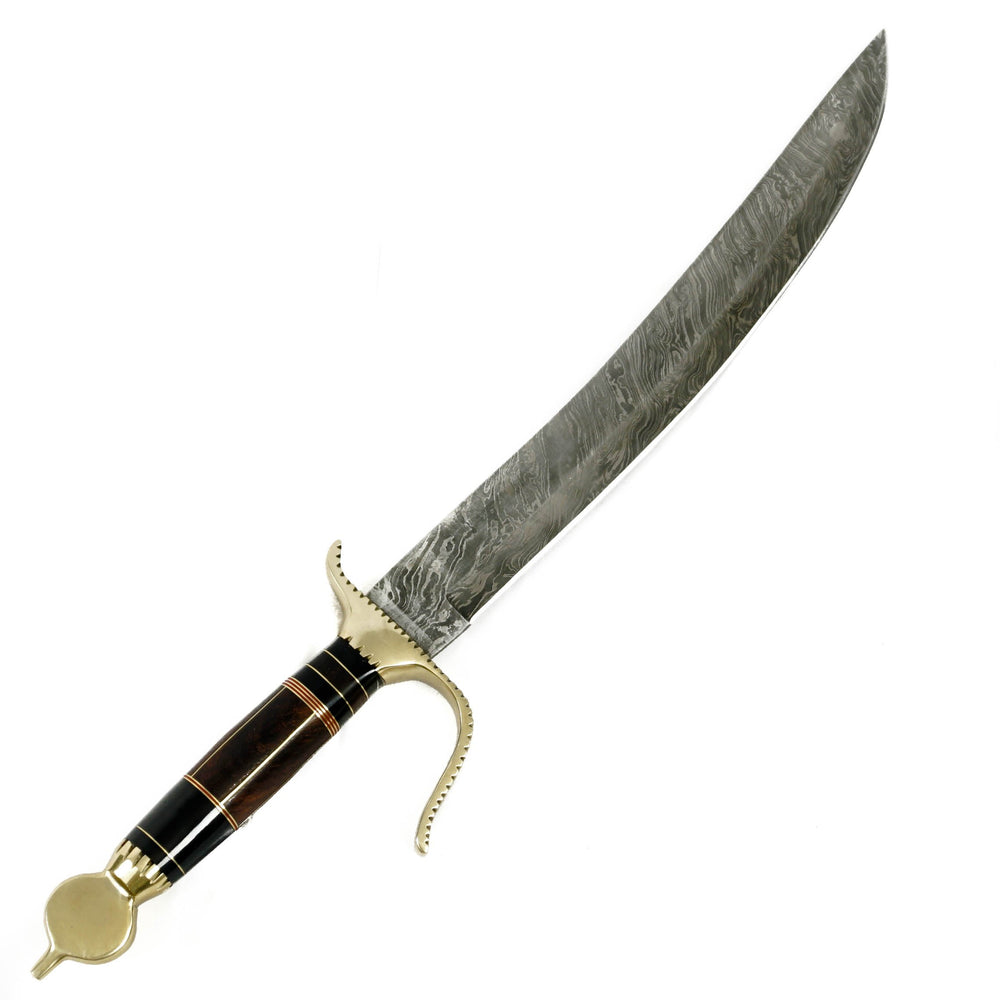
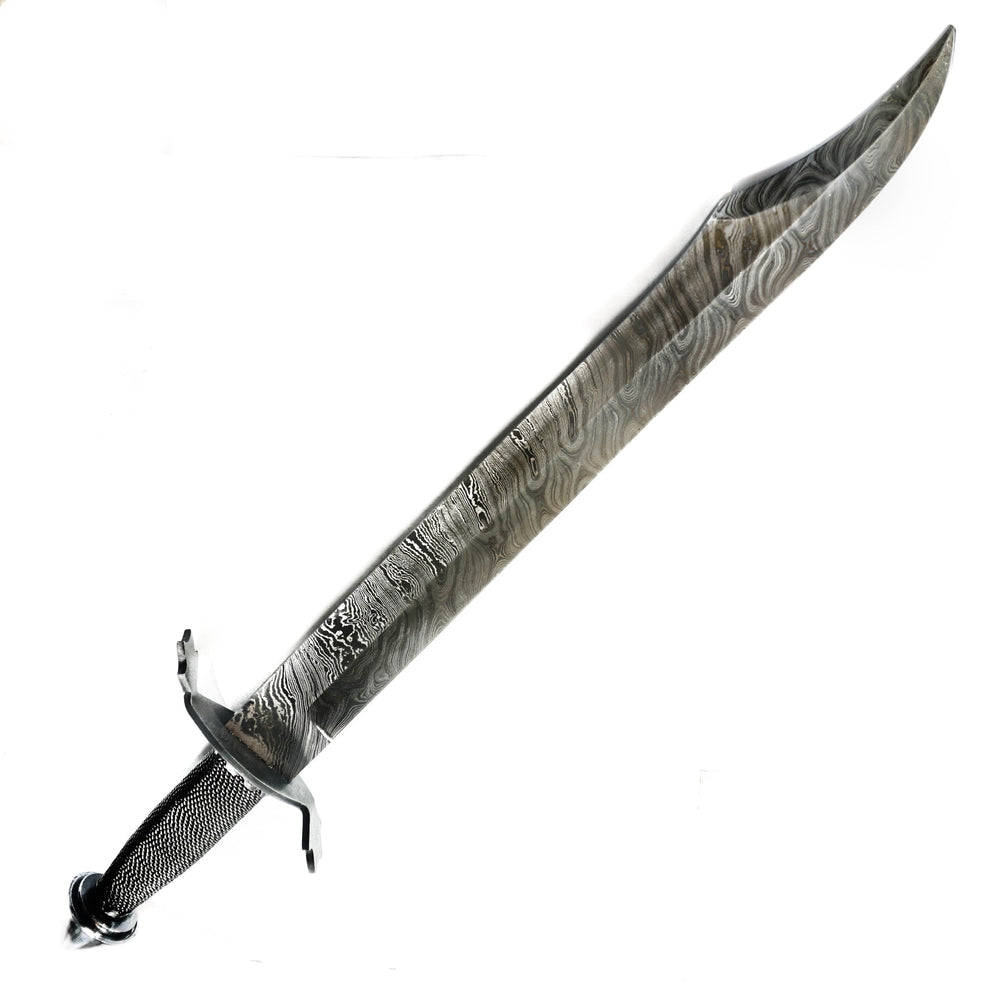
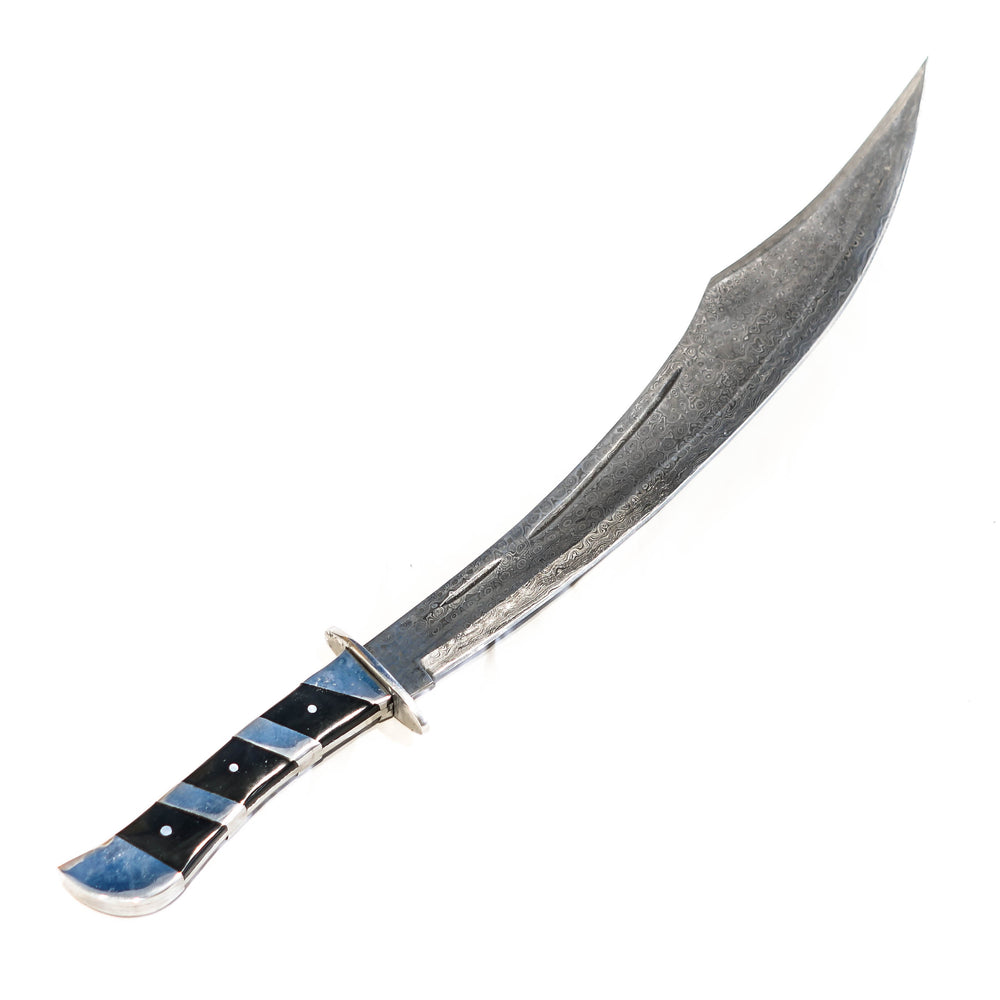
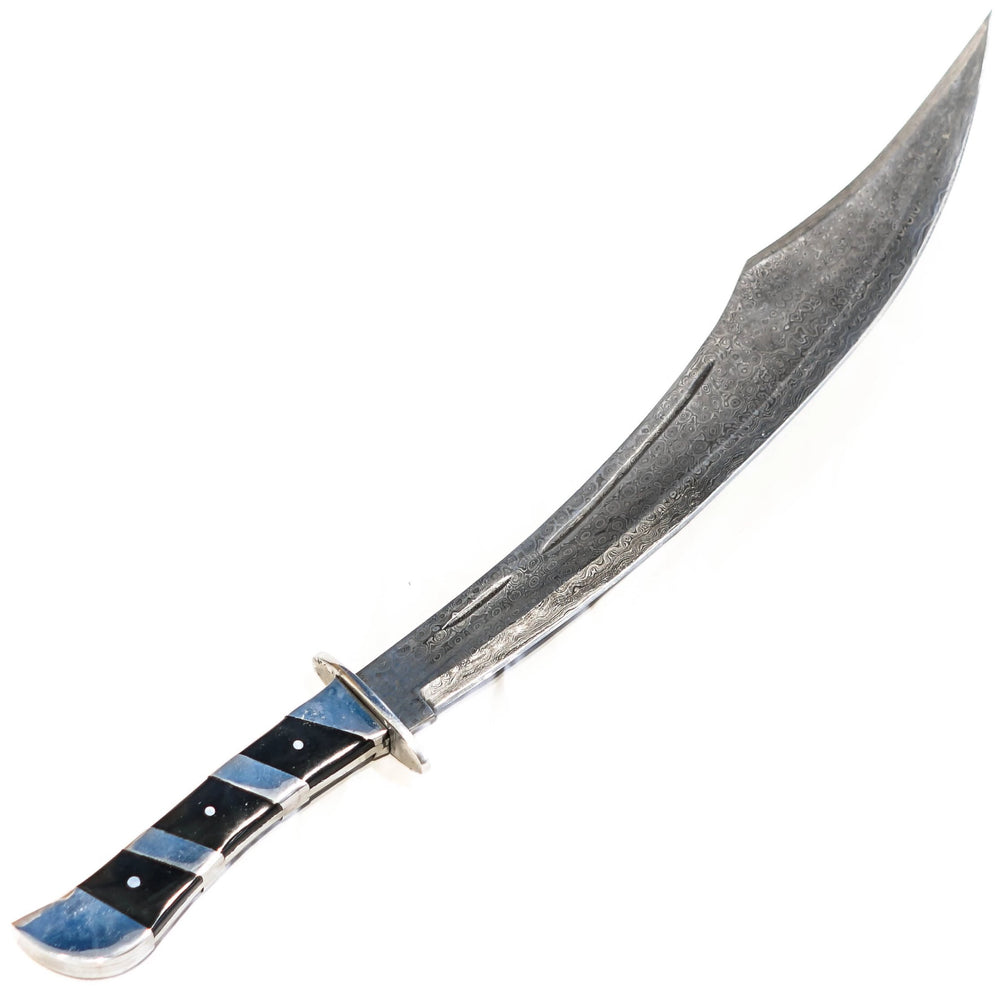
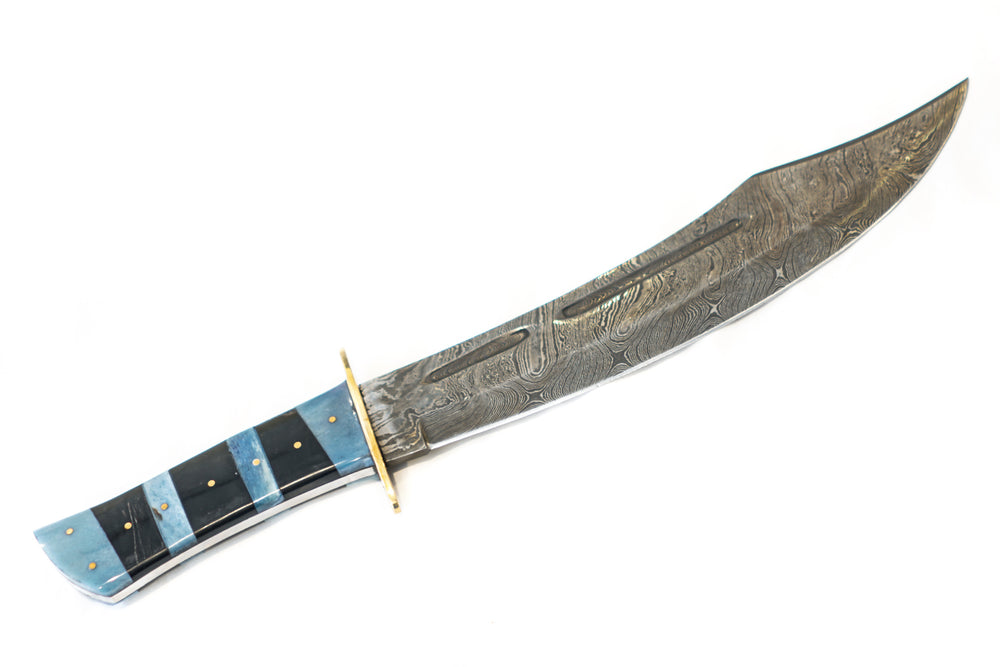
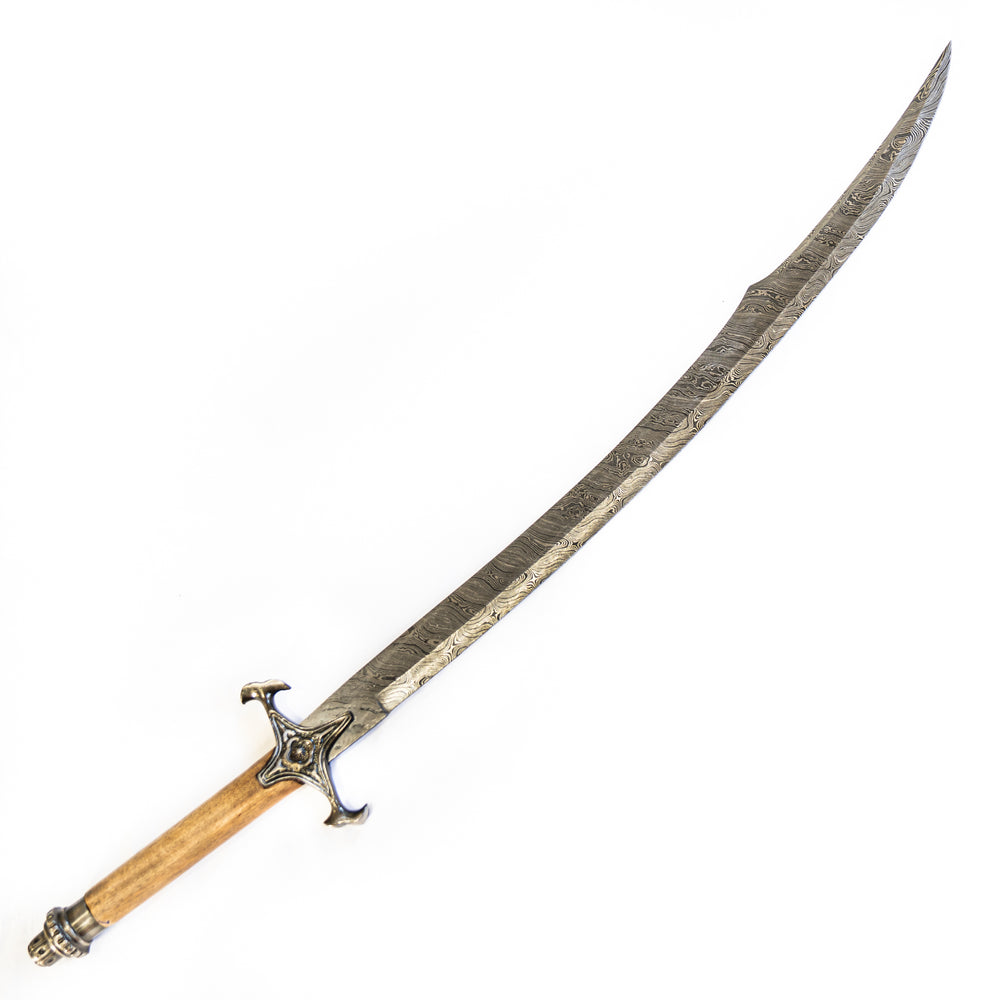
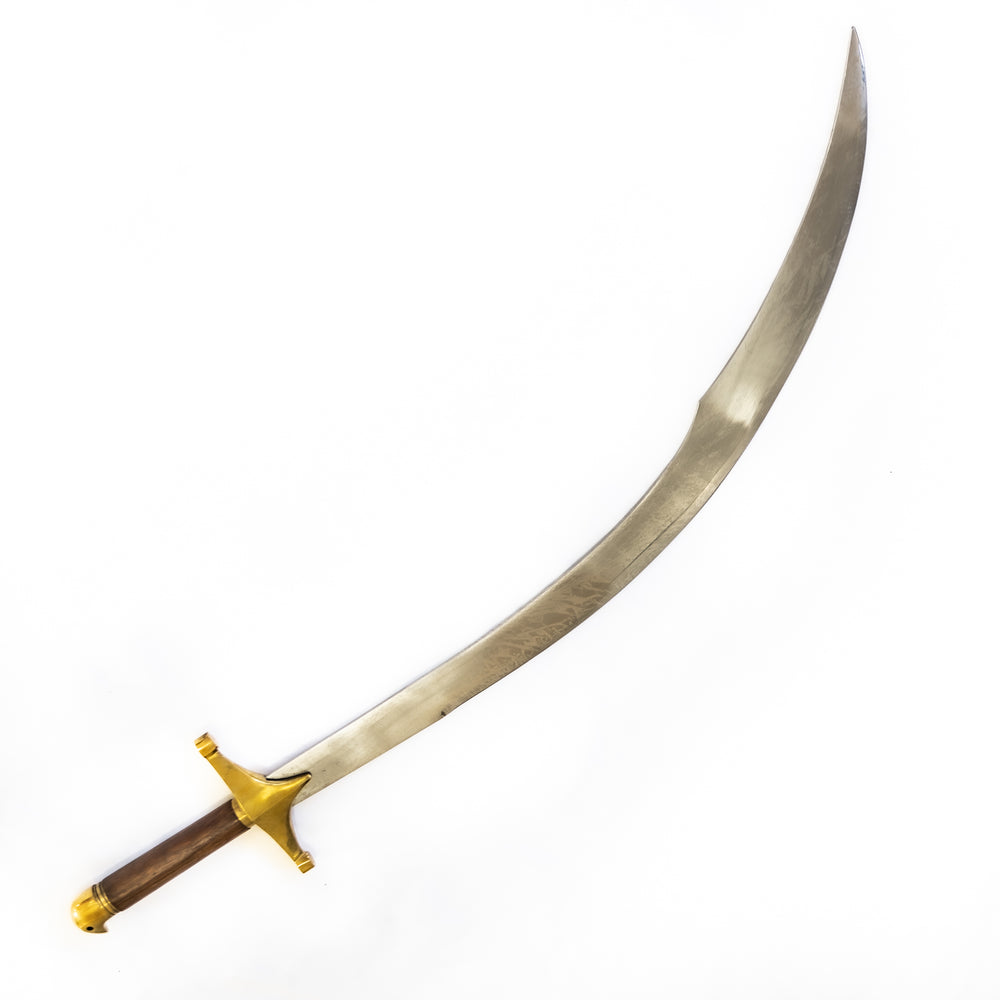
Explore scimitar swords inspired by the curved blades of the Middle East, Persia, Turkey, Central Asia, and the Indian subcontinent — weapons that defined cavalry warfare across the Islamic world for more than a thousand years. This collection includes Persian shamshirs, Turkish kilij sabers, Indian talwars, Arabian saif swords, Mamluk blades, and decorative scimitars designed for collectors, reenactors, cosplayers, martial artists, and anyone drawn to the artistry of Eastern sword-making.
The scimitar is less a single sword than a family of curved single-edged blades developed across the Islamic and Asian world from roughly the 9th century onward. Designed primarily for mounted warfare, the curved blade allowed cavalry to deliver devastating drawing cuts at speed — the curve naturally pulled the edge across the target, producing deep slicing wounds that a straight sword couldn't match. From the Persian Sassanids to the Ottoman janissaries, from Mamluk Egypt to Mughal India, the curved sword became the defining weapon of Eastern military tradition.
Our scimitar collection includes designs with high-carbon steel blades, traditional wood and horn handles, brass and steel fittings, distinctive curved pommels, and authentic-style scabbards often featuring metal mounts and decorative engraving. Some are forged from 1060 or 1095 carbon steel for cutting and reenactment use, others from spring steel for serious training, and decorative pieces feature stainless steel for display and cosplay. Premium examples include true wootz steel and pattern-welded Damascus reproductions echoing the legendary "watered steel" blades of historical Persian and Indian smiths.
The scimitar family encompasses several distinct regional traditions, each developed for specific tactics, terrain, and cultural context. The shamshir is the classic Persian scimitar — a deeply curved, slender blade with a pistol-grip handle, optimized for slashing cuts from horseback. Its name literally means "lion's claw" in Persian, and it served as the model for many later Islamic curved swords. The kilij is the Turkish and Ottoman scimitar, recognizable by its flared, widened tip section called the yelman — a feature that added cutting mass at the optimal striking point and made the kilij one of the most feared cavalry weapons of the medieval and early modern eras.
The talwar is the Indian scimitar, featuring a moderate curve and a distinctive disc-shaped pommel that locks the hand in place during powerful cuts. Talwars were the standard sword of Mughal and Rajput warriors. The saif is the Arabian curved sword, ranging from gently curved to deeply hooked, and remains the ceremonial sword of much of the Arab world. The nimcha is the North African scimitar, particularly associated with Morocco and the Barbary coast. The mameluke sword is the Egyptian Mamluk-influenced curved sword adopted by Western militaries (including the U.S. Marine Corps officer sword) after the Napoleonic Egyptian campaigns. The Central Asian pulwar from Afghanistan and the shashka from the Caucasus region complete the broader curved-sword family.
Battle-ready scimitars feature full-tang construction, high-carbon or spring steel blades, and proper heat treatment suitable for cutting practice, mounted martial arts study, and serious reenactment use. Decorative scimitars are typically made from stainless steel with partial tangs and are designed for wall display, costume use, cosplay (especially Arabian Nights, fantasy, and pirate-adjacent themes), and themed home decor. Wall-hanger scimitars with ornate sheaths and decorated handles are particularly popular as display pieces given the scimitar's striking visual profile.
These scimitar swords are popular for historical reenactment (Crusades-era, Ottoman, Mughal, and Islamic Golden Age periods), Middle Eastern and South Asian martial arts study, museum-style home displays, themed offices and dens drawing on Persian, Arabian, or Indian motifs, cosplay for Arabian Nights productions, fantasy roleplay, genie and sultan costumes, ceremonial gifts honoring Middle Eastern or South Asian heritage, and collector pieces celebrating one of the most artistically refined sword traditions in world history. Many customers choose scimitars as meaningful gifts for fans of historical fantasy, Persian and Arabian culture, and classic Hollywood swashbuckler films.
Browse the collection to find authentic-style shamshirs, kilij sabers, talwars, saif swords, and decorative scimitars that fit your collection, training, or display.
What is a scimitar? "Scimitar" is the general English term for the family of curved single-edged swords developed across the Middle East, Persia, Turkey, North Africa, Central Asia, and the Indian subcontinent from roughly the 9th century onward. It's not a single specific sword type but rather an umbrella term covering the Persian shamshir, Turkish kilij, Indian talwar, Arabian saif, and related curved blades.
What's the difference between a shamshir, a kilij, and a talwar? The shamshir is the Persian original — deeply curved with a slender blade and pistol-grip handle. The kilij is the Turkish/Ottoman version, recognizable by its flared tip section called the yelman that adds cutting mass at the impact point. The talwar is the Indian version, with a moderate curve and a distinctive disc-shaped pommel that locks the hand during cuts. All three are scimitars but reflect distinct regional sword-making traditions.
What is wootz steel? Wootz is a legendary crucible steel produced in India and Central Asia from roughly the 6th century BC through the 19th century. Its high carbon content and unique production process created blades with distinctive watery surface patterns and exceptional sharpness — the historical "Damascus steel" of swords prized across the Islamic world. The original wootz production techniques were lost in the 19th century, and modern bladesmiths have spent decades trying to reproduce the original metallurgy. Today's "Damascus" scimitars use pattern-welded steel to evoke the visual appearance of historical wootz.
Why are scimitars curved? The curved blade is optimized for mounted cavalry use. As a horseman strikes a target while riding past, the curve naturally pulls the edge across the target in a drawing motion — slicing deeply rather than chopping. A curved blade also doesn't bind in flesh or armor the way a straight blade can, allowing the rider to disengage cleanly and continue past. For foot combat against unarmored opponents, the curve produces longer, more devastating slicing wounds than a straight sword of equal length.
What steel is best for a scimitar? For functional scimitars, high-carbon 1060 steel offers a strong balance of durability and price. 1095 carbon steel provides superior hardness and edge retention. 5160 spring steel offers excellent flexibility for cutting practice. Pattern-welded Damascus steel is the most historically authentic choice and best evokes the appearance of legendary wootz blades. Stainless steel is suitable only for decorative display scimitars, not cutting use.
Are scimitar swords legal to own in the US? In most states, scimitar swords are legal to own and display at home without restriction. Carry laws vary by state and locality. Customers are responsible for verifying local regulations before purchase.