

 Fast & Free Shipping
 30 day Money Back
 Secure Checkout
 Fast & Free Shipping
30 day Money Back
Secure Checkout
Fast & Free Shipping
30 day Money Back
Secure Checkout
Explore machetes built for clearing brush, chopping wood, surviving in the wild, and tackling outdoor work that smaller knives can't handle. This collection includes traditional Latin machetes, kukris, bolos, parangs, panga blades, billhooks, and tactical machetes designed for outdoorsmen, survivalists, gardeners, hunters, collectors, and anyone who needs a serious chopping tool.
The machete is one of the world's oldest and most universal tools — a large, broad blade used for everything from harvesting sugarcane and clearing jungle trails to splitting firewood and defending against threats. Cultures from Latin America, the Philippines, Nepal, Indonesia, and Africa each developed their own regional variations, and that diversity is reflected in our collection. Whether you call it a machete, a bush knife, or a field blade, this is the tool that does real work outdoors.
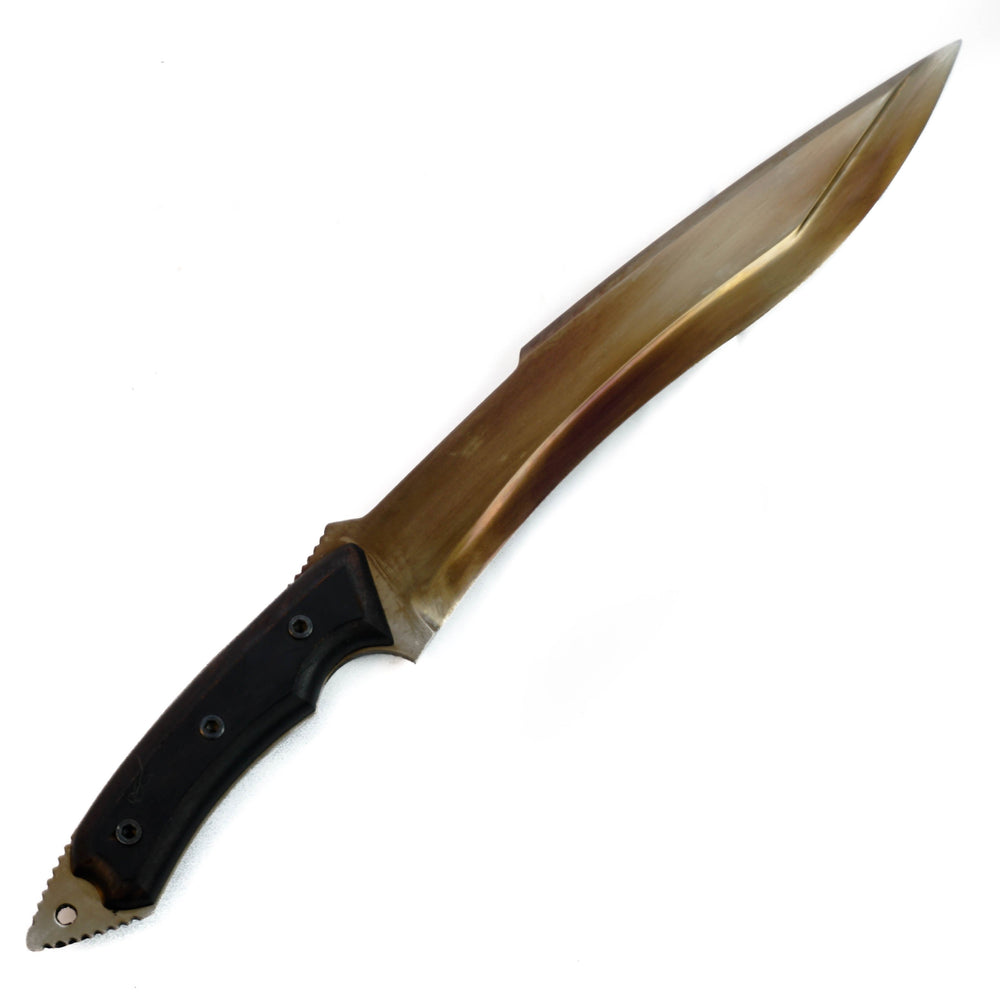
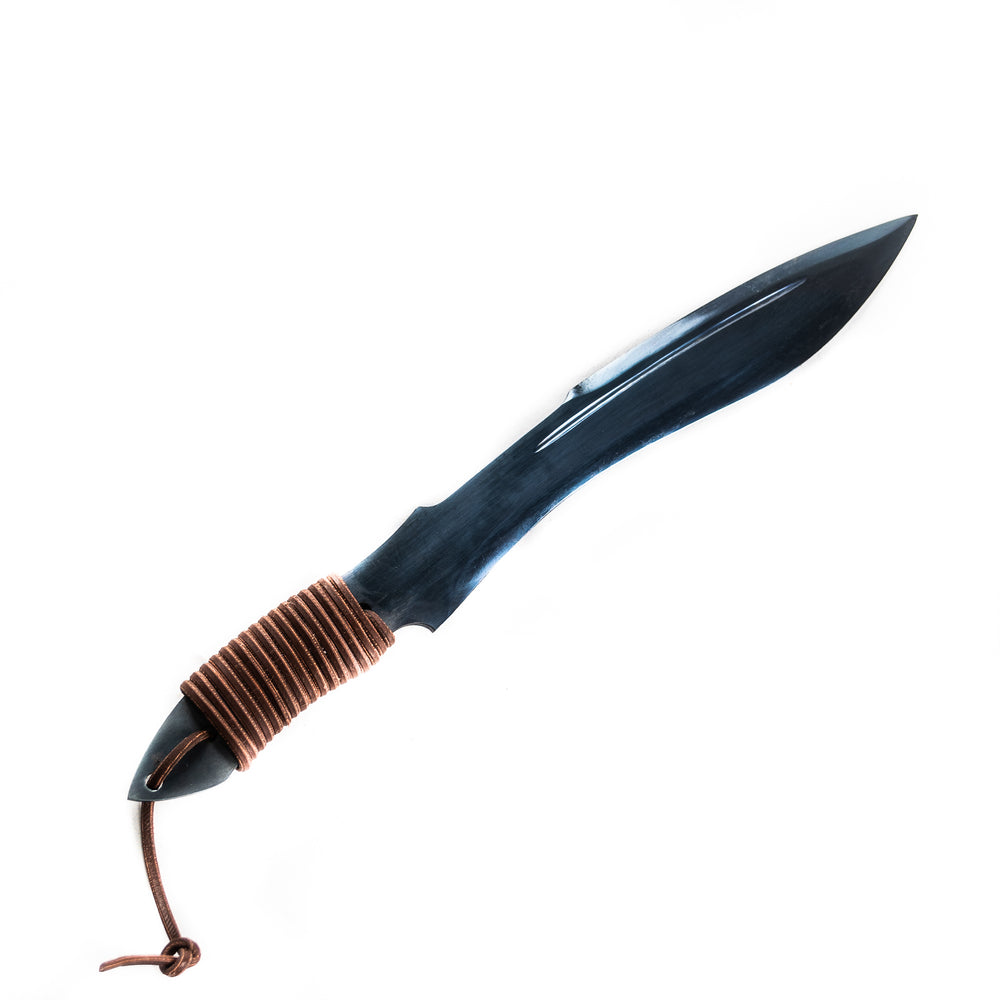
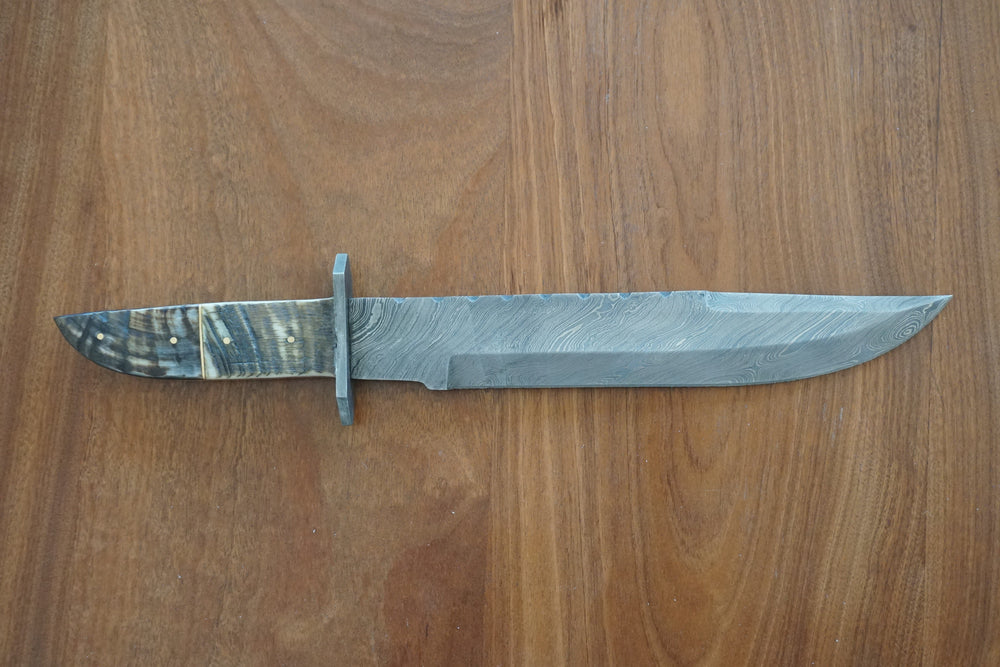
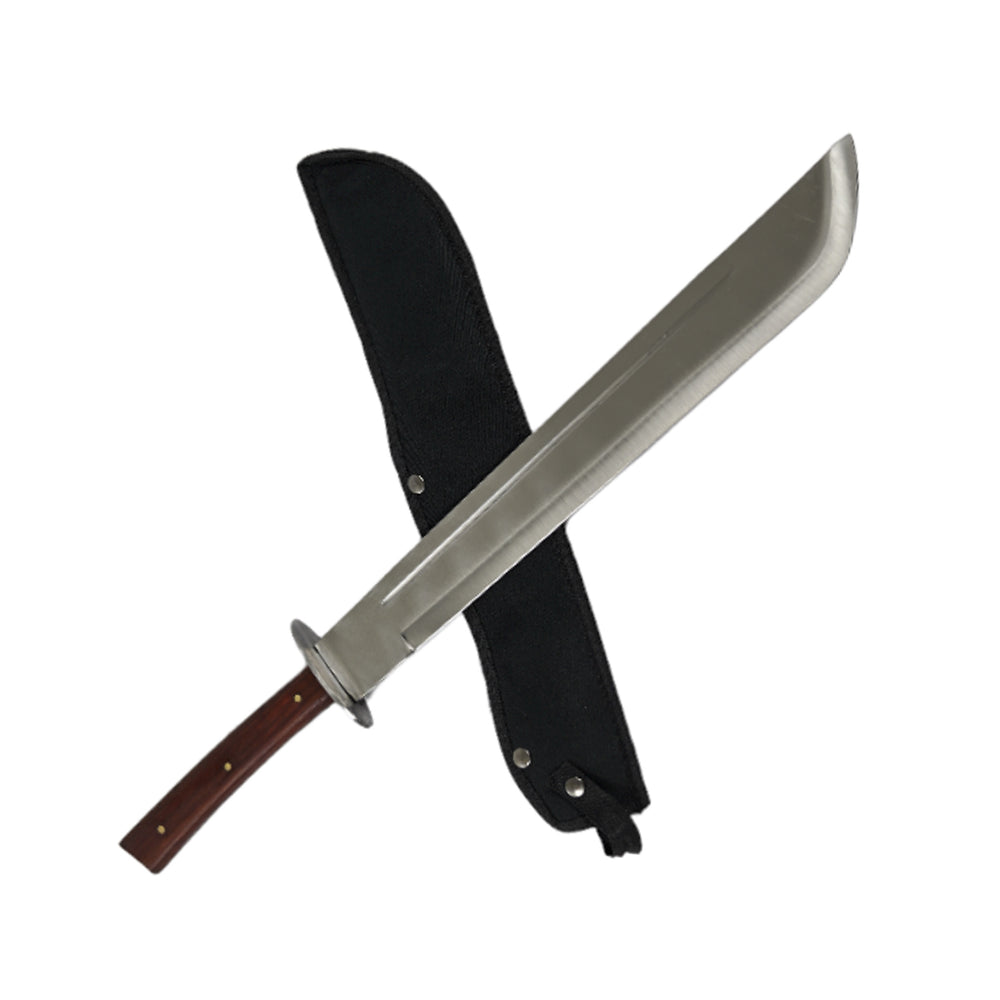
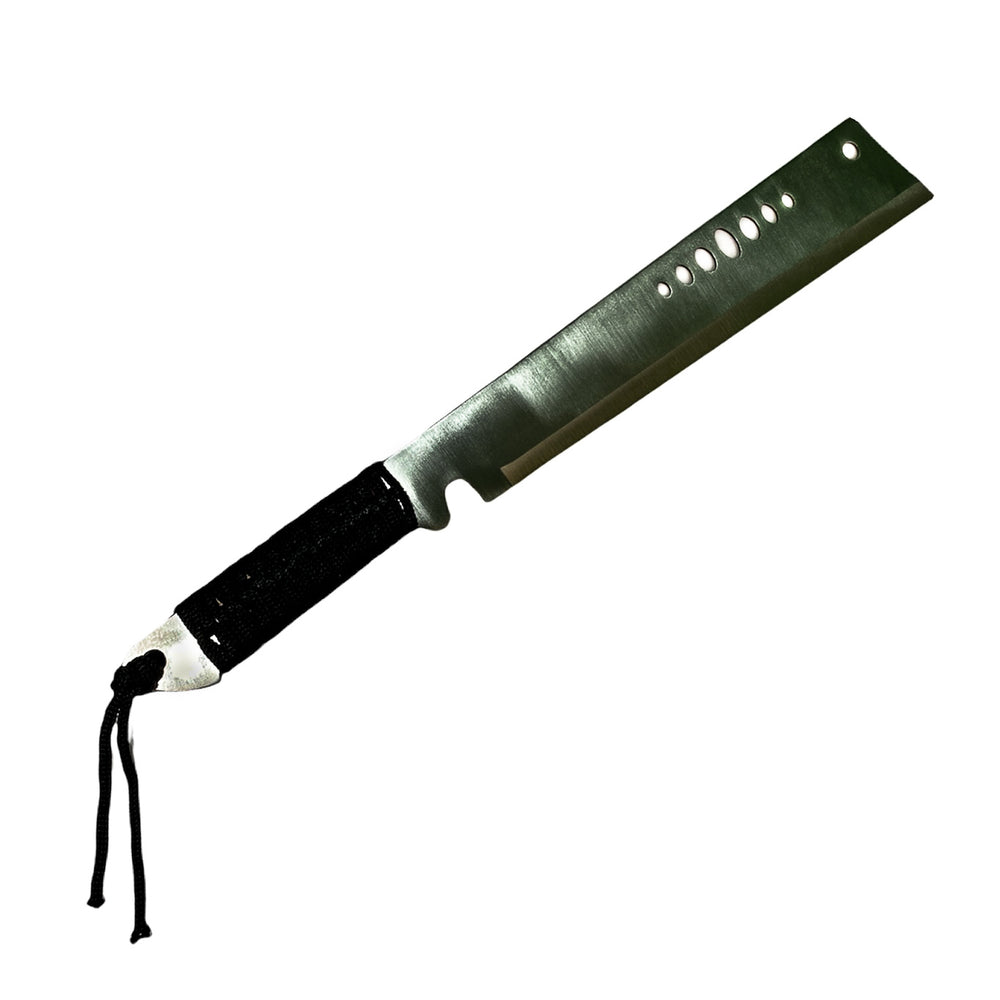
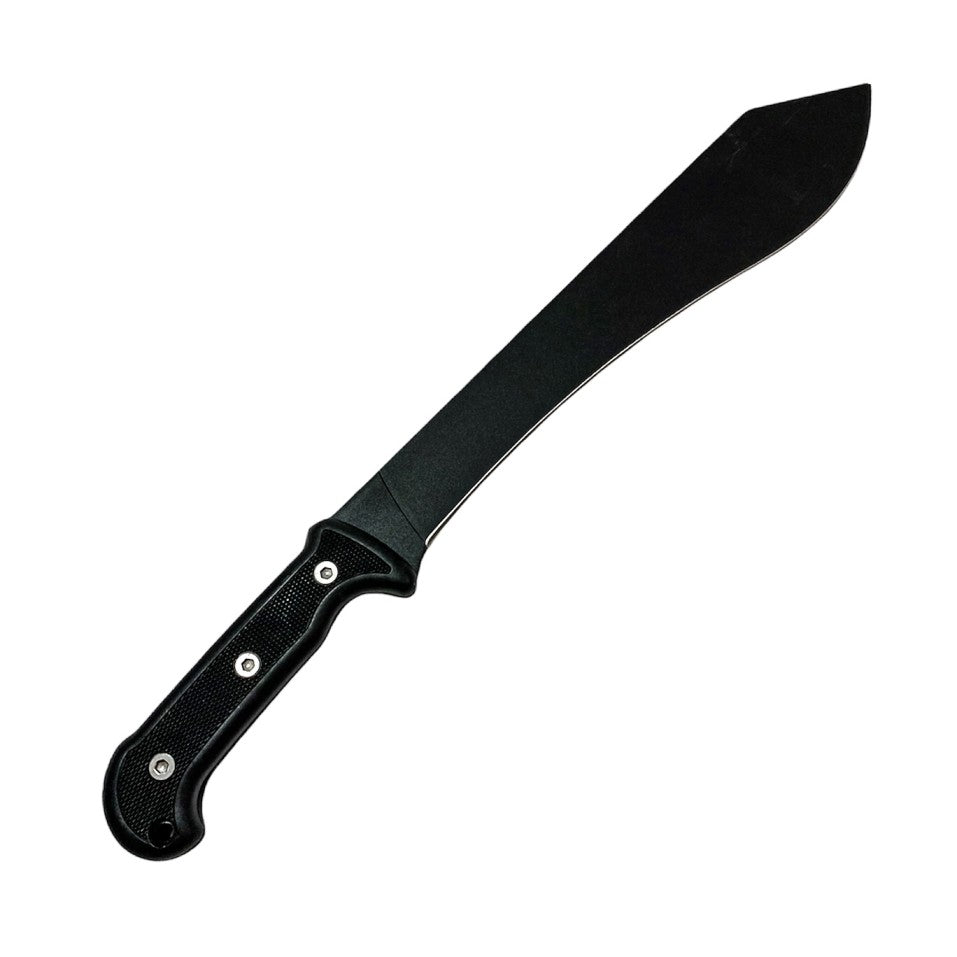
Our machete collection includes designs with high-carbon steel blades, full-tang construction, paracord-wrapped handles, polymer grips, traditional wood handles, and durable nylon, leather, or kydex sheaths. Some are built for heavy chopping, others for fine clearing work, and many serve double duty as survival and bushcraft tools.
Machetes come in distinct regional and functional styles, each developed for specific terrain and tasks. The Latin machete (or "Latin pattern") is the classic straight-bladed design widely used across Central and South America for agricultural work and brush clearing. The kukri is the iconic forward-curved blade of Nepal, made famous by Gurkha soldiers and prized for its devastating chopping power and survival utility. The bolo is the heavy, belly-forward Filipino machete, traditionally used for harvesting coconuts and rice as well as combat.
The parang is the Southeast Asian jungle machete from Malaysia and Indonesia, with a heavy belly and angled grip ideal for hardwood chopping. The panga is the African machete with a broad upswept tip, widely used across sub-Saharan Africa. The billhook is the European hook-tipped blade used for hedging, coppicing, and farm work. Tactical and survival machetes blend these traditional designs with modern features like serrated spines, sawback edges, paracord handles, and full-tang construction for bushcraft and emergency use.
Machetes excel at brush clearing, trail-cutting, chopping firewood, processing game, splitting kindling, opening coconuts, harvesting crops, clearing overgrown gardens, and general outdoor utility work. Survivalists and bushcrafters carry machetes for shelter building, batoning wood, fire prep, and as backup defensive tools. Hunters use them for clearing shooting lanes and processing brush. Property owners use them for maintenance work that would damage finer tools.
These machetes are popular for camping, hiking, hunting, off-grid living, homesteading, gardening, survival training, bushcraft, prepping, and as practical gifts for outdoorsmen and outdoorswomen. Collectors also seek out culturally significant designs like authentic kukris, traditional parangs, and historical machete patterns as display pieces.
What's the difference between a machete and a kukri? A traditional machete typically has a straight or gently curved blade designed for slashing brush, while a kukri features a distinctive forward-angled blade that concentrates chopping force at the belly of the blade. Kukris are generally better for heavy chopping and survival tasks; straight machetes are better for sustained brush clearing.
What steel is best for a machete? High-carbon steels like 1075, 1085, and 1095 are popular for machetes because they hold an edge well and can be sharpened in the field. Spring steel like 5160 offers excellent toughness and flex. Stainless steel resists rust but is generally softer and harder to re-sharpen. For survival and bushcraft use, high-carbon steel is usually preferred despite needing more care to prevent rust.
Are machetes legal to own and carry? Machetes are legal to own in all 50 U.S. states. Carry laws vary by state and locality, with some areas restricting blade length or open carry. Most states allow machetes for outdoor, agricultural, and utility use. Customers are responsible for checking local laws before carrying a machete in public.
How do I sharpen a machete? Machetes are typically sharpened with a coarse file, sharpening puck, or mill bastard file along the existing bevel, followed by a finer stone or strop for a working edge. Most machetes use a convex or flat grind that holds up better in the field than a fine knife edge. A working machete edge should be sharp enough to slice paper but not so fine that it chips on hardwood.
What's the best machete for survival or bushcraft? The best survival machete depends on your environment. For jungle and dense brush, a parang or heavy bolo excels. For mixed terrain and general bushcraft, a 12–14 inch full-tang machete or kukri offers the best balance of chopping power and portability. Look for full-tang construction, high-carbon steel, a comfortable grip, and a durable sheath.