

 Fast & Free Shipping
 30 day Money Back
 Secure Checkout
 Fast & Free Shipping
30 day Money Back
Secure Checkout
Fast & Free Shipping
30 day Money Back
Secure Checkout
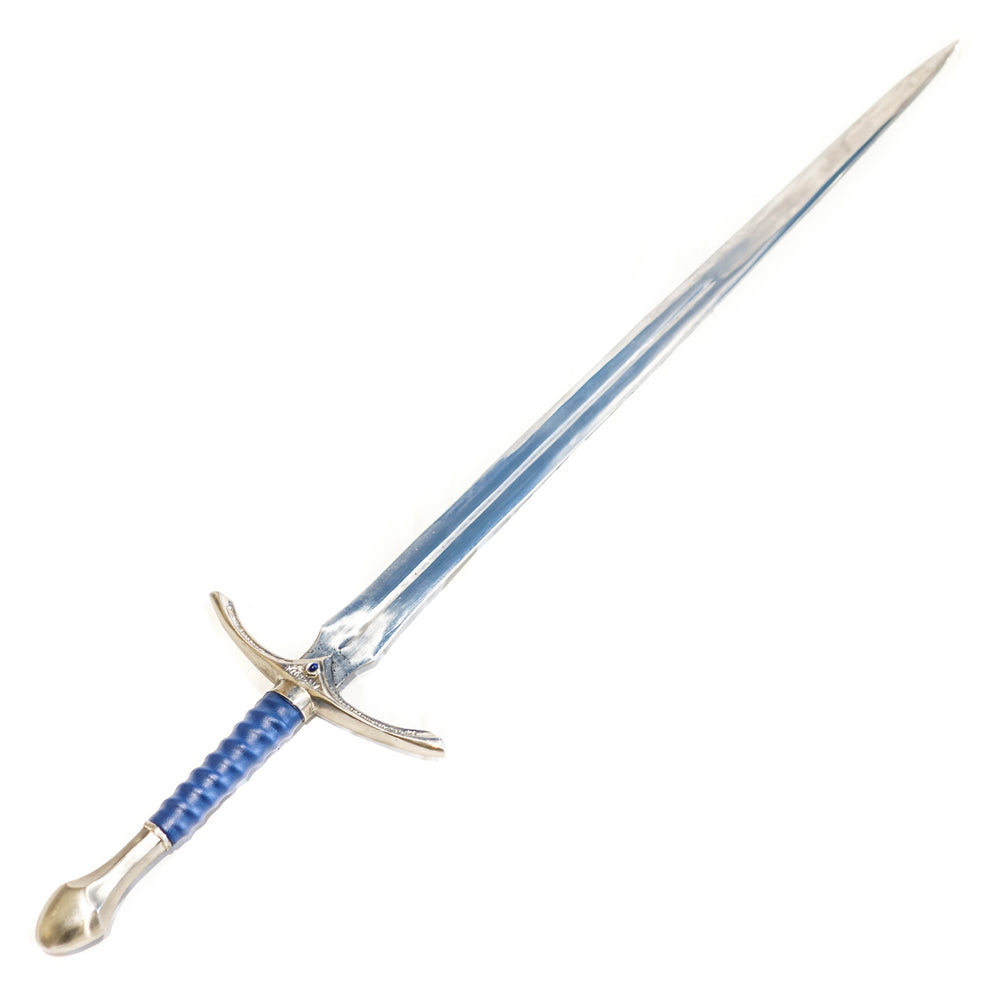
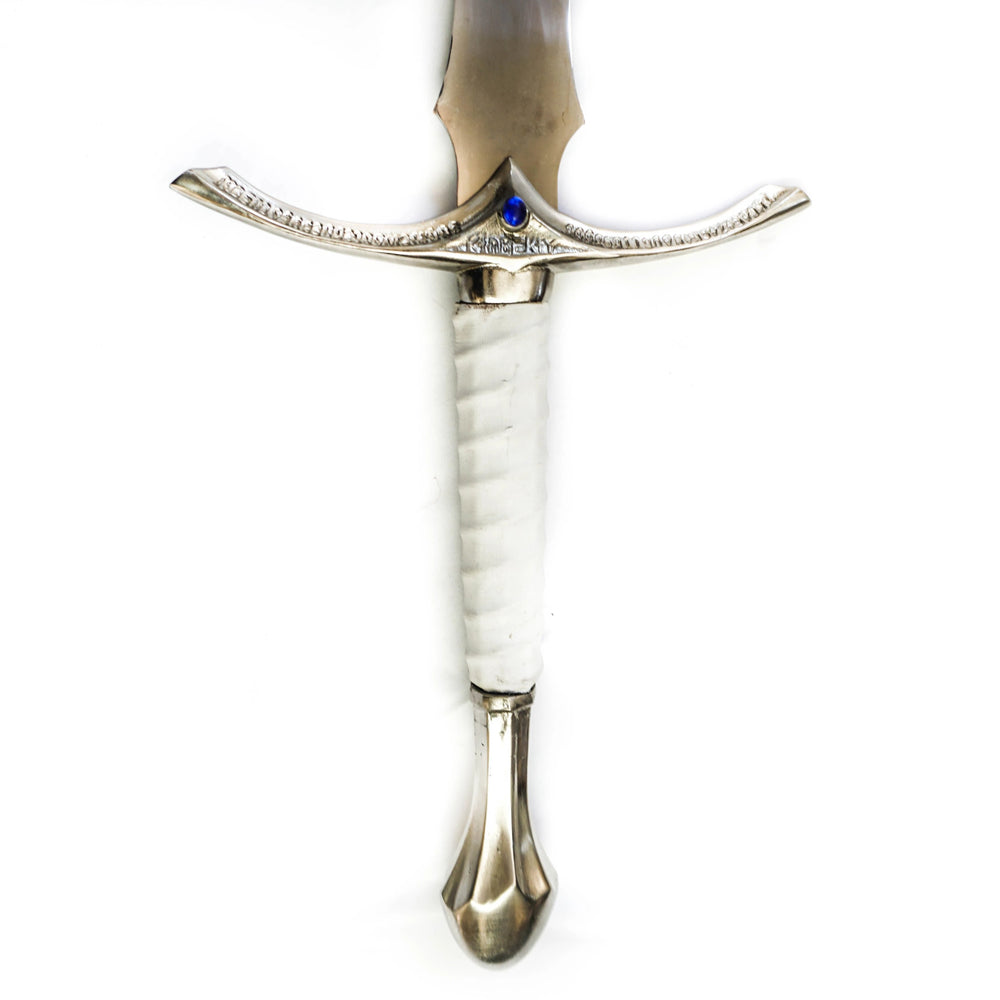
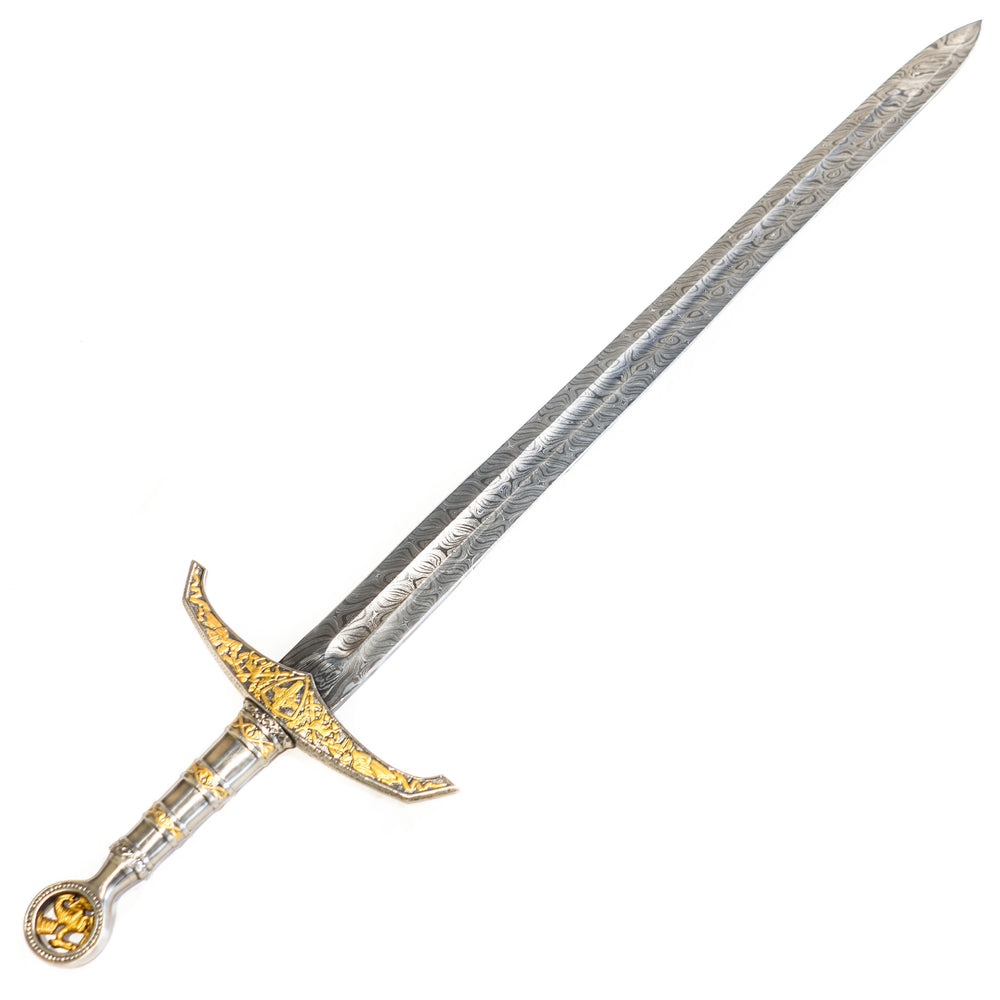
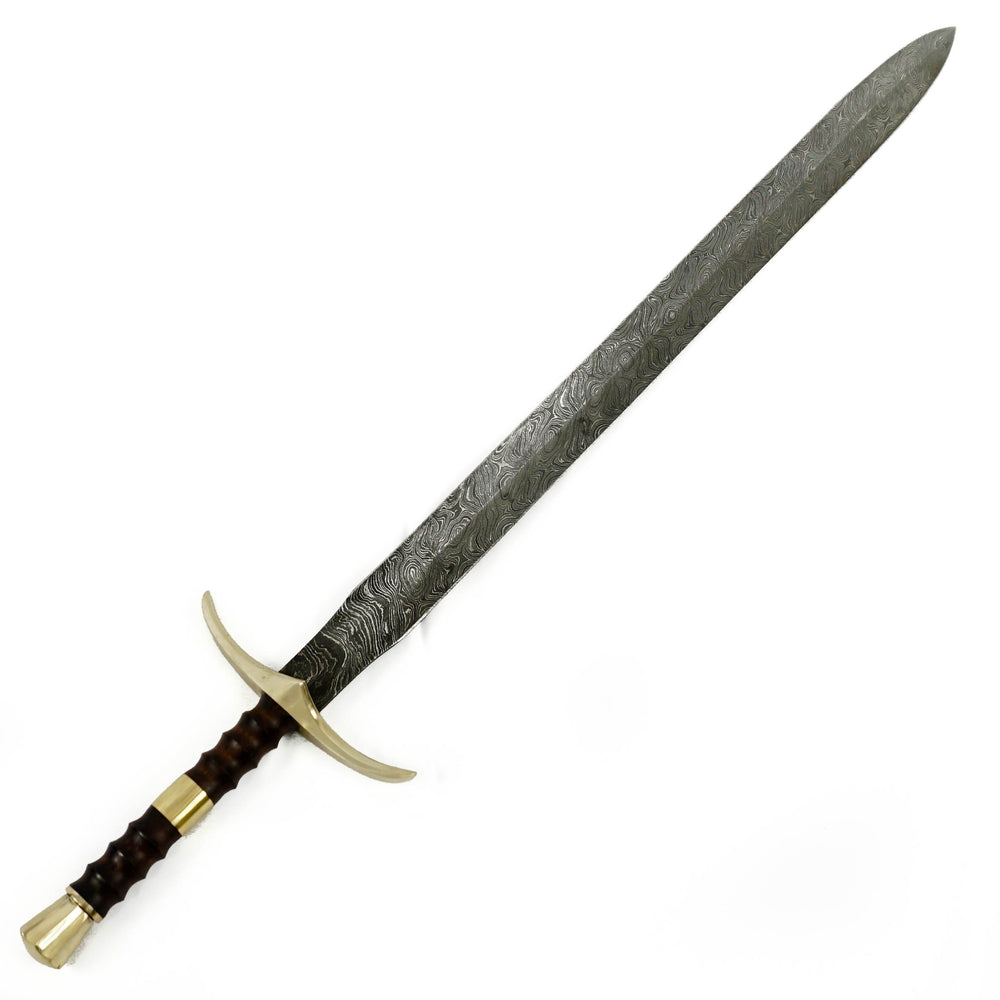
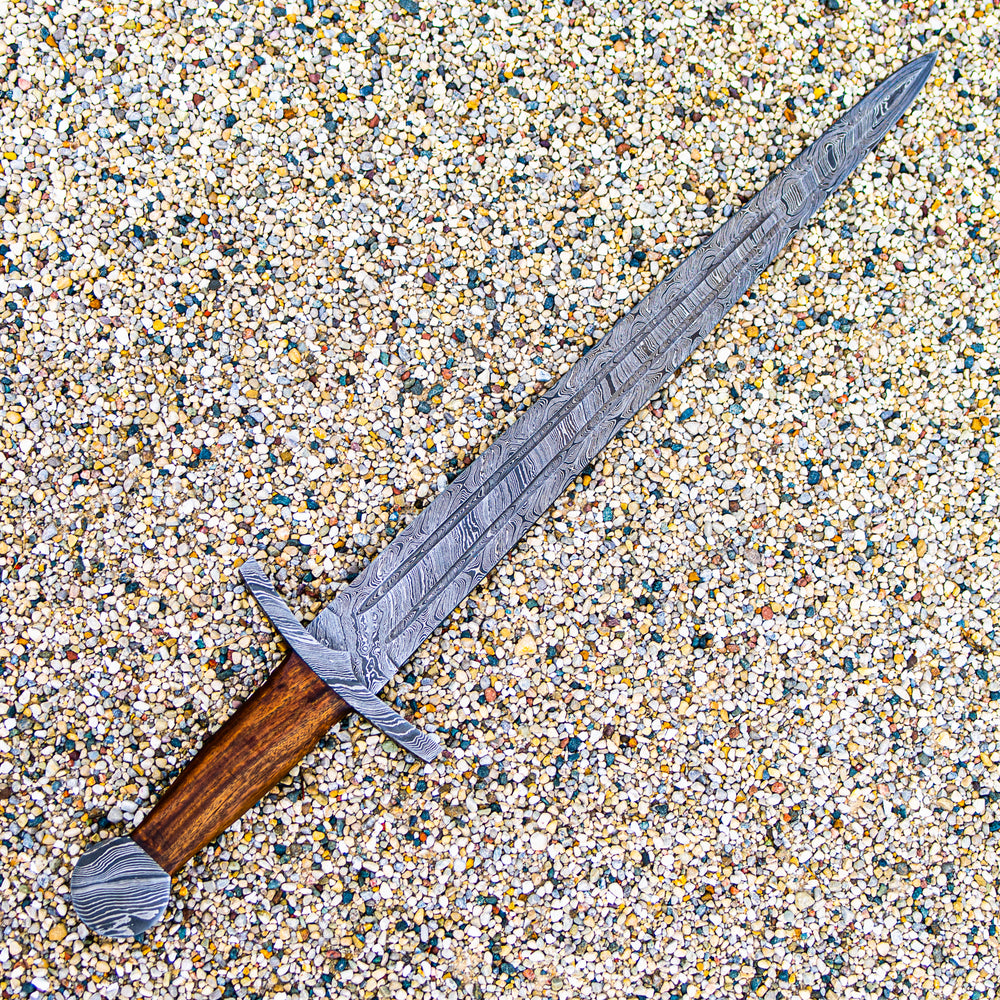
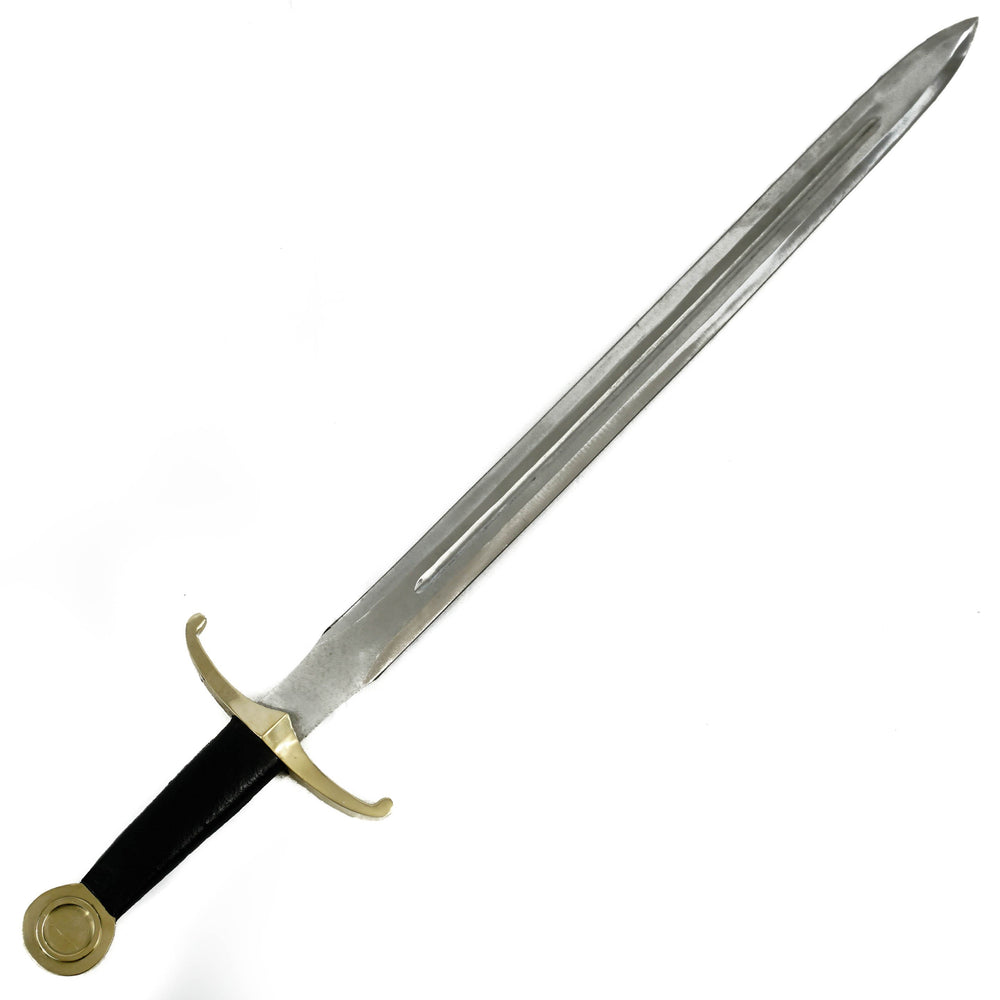
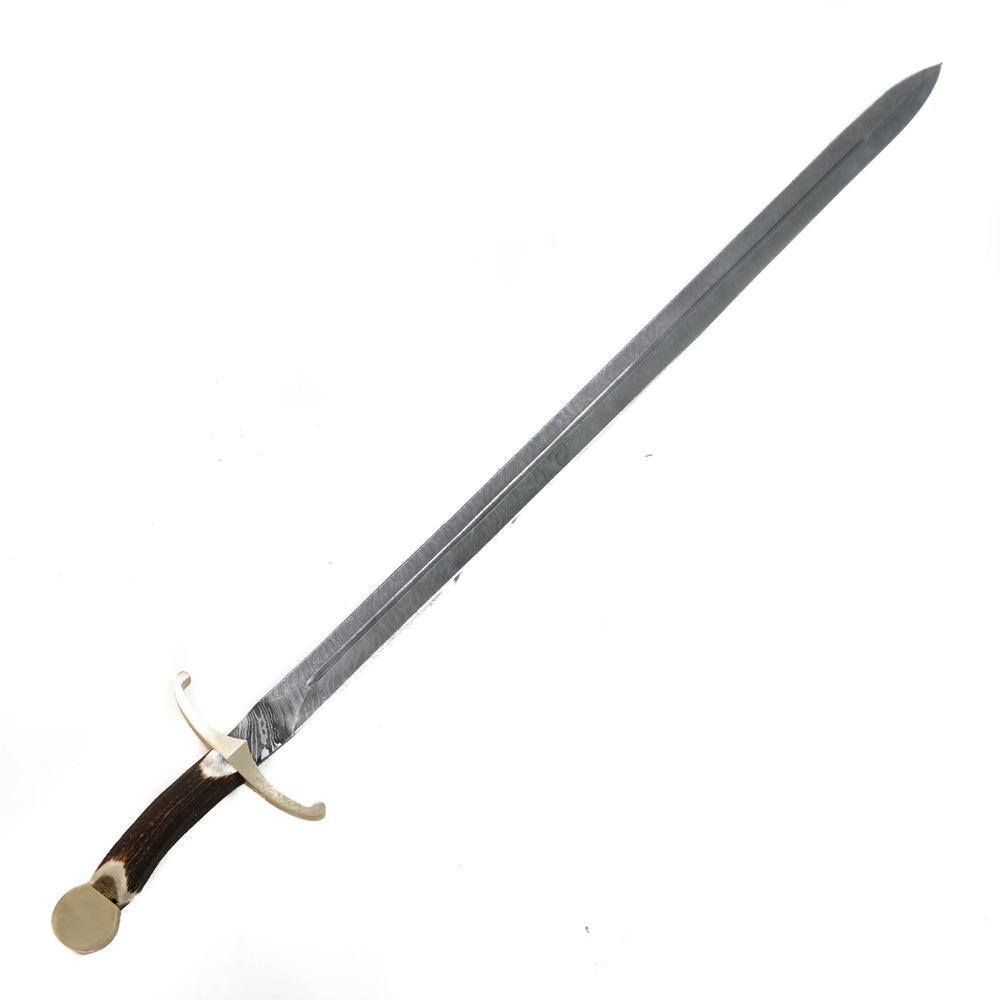
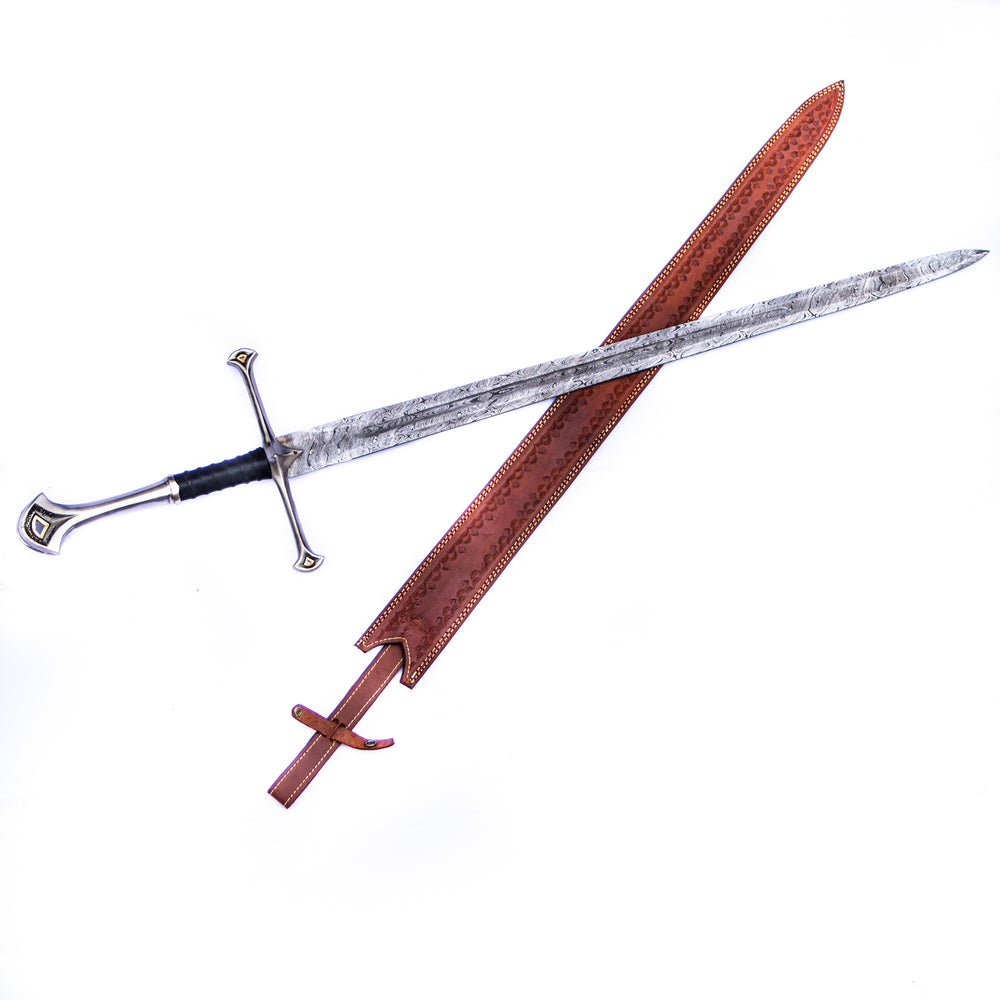
Explore Iberian swords inspired by more than two thousand years of sword-making from the Iberian Peninsula — the curved blades of pre-Roman Celtiberian warriors, the legendary Toledo steel rapiers of Renaissance Spain, the cavalry sabers of the Spanish Empire, and the ceremonial swords of Portuguese maritime tradition. This collection includes Spanish falcatas, Toledo-forged rapiers and sabers, conquistador-era swords, Spanish dueling blades, Portuguese ceremonial swords, and decorative pieces designed for collectors, Iberian heritage enthusiasts, reenactors, HEMA practitioners, Hispanic and Latin American cultural celebrations, cosplayers, and anyone drawn to one of the most influential sword traditions in European history.
The Iberian Peninsula has produced some of the finest sword-making in world history. Long before Roman armies arrived, Celtiberian smiths were forging falcatas of such quality that Roman writers specifically noted Iberian blade superiority — the gladius itself was reportedly adopted from Iberian designs after Rome's wars on the peninsula. A thousand years later, the city of Toledo became the most renowned sword-making center in Europe, producing Toledo steel rapiers carried by Spanish nobility, conquistador captains, and the dueling masters who developed La Verdadera Destreza, the legendary Spanish "true art" of fencing. Iberian swords traveled with the Spanish Empire to the Americas, the Philippines, and across the Pacific, leaving cultural traces that remain visible in Latin American military traditions, ceremonial swords, and heritage celebrations today.
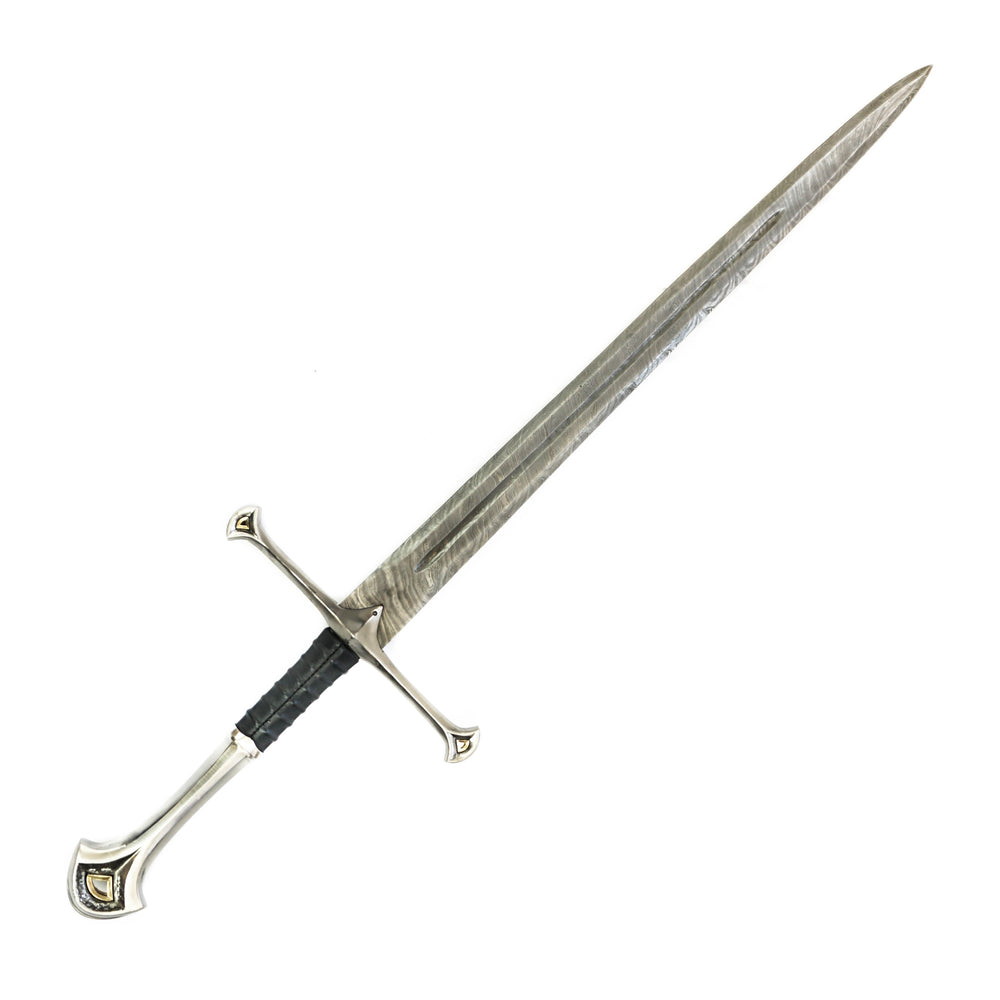
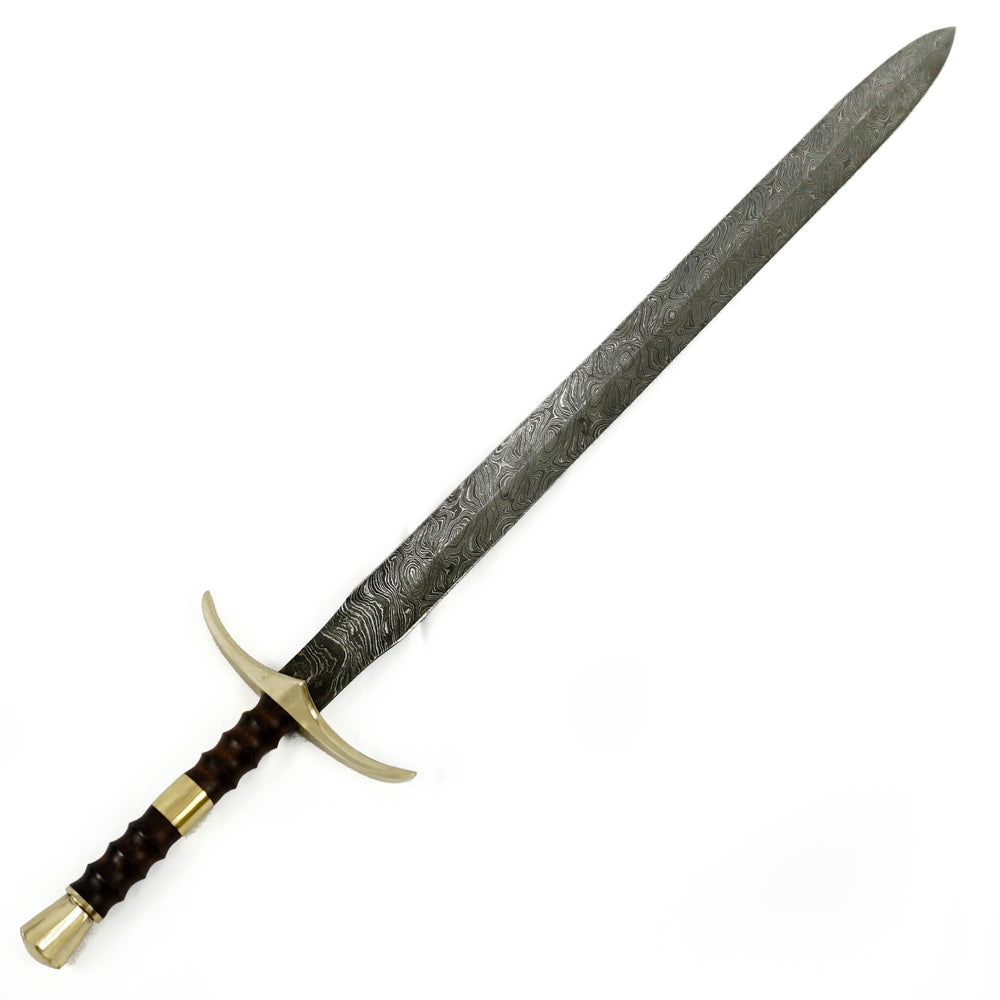
Our Iberian sword collection includes designs with high-carbon Toledo-style steel blades, traditional Spanish hilt designs (cup-hilt rapiers, swept-hilts, Spanish basket-hilted sabers), ornate brass and steel fittings reflecting Spanish ornamental tradition, leather-wrapped grips with wire winding, distinctive Iberian pommels, and authentic-style leather scabbards. Blades are forged from 1060 or 1095 carbon steel for cutting and reenactment use, spring steel for serious HEMA practice, and stainless steel for decorative display pieces. Many include reproductions of museum-quality Spanish military patterns, conquistador-era sword designs, and Toledo-style rapiers honoring the city's six-hundred-year sword-making heritage.
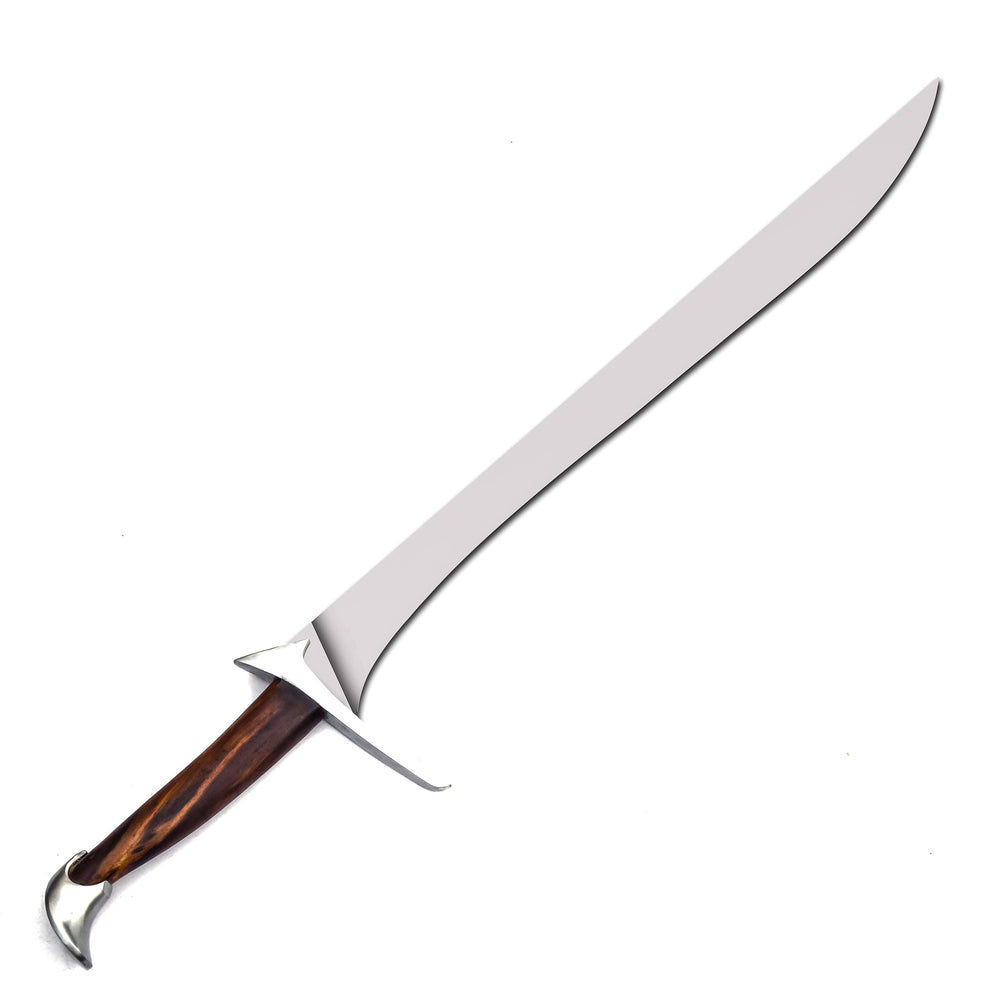
The Iberian sword family covers several distinct traditions spanning more than two millennia. The falcata is the ancient Iberian forward-curved sword of pre-Roman Celtiberian warriors — a single-edged blade with a distinctive recurve and elaborately formed hilt, often featuring a horse-head or bird-head pommel. The falcata's chopping power and quality reportedly impressed Roman armies during the Iberian Wars (3rd–2nd centuries BC), and the design influenced the development of the Roman gladius. The gladius Hispaniensis — literally "Spanish gladius" — is the earliest Roman gladius pattern, named for its Iberian origin and adopted by Rome from Celtiberian designs during the Second Punic War.
The Spanish rapier includes the legendary Toledo-forged thrusting swords of Renaissance and Baroque Spain — the weapon of Spanish nobility, conquistador officers, and the dueling masters of La Verdadera Destreza. The Spanish cup-hilt rapier is the most iconic Iberian sword design, featuring a distinctive cup-shaped hand guard offering exceptional protection — favored throughout 17th-century Spain and southern Italy. The conquistador sword covers the broad category of swords carried by Spanish soldiers during the conquest of the Americas, including side swords (spada da lato), early rapiers, and short swords carried by conquistador foot soldiers.
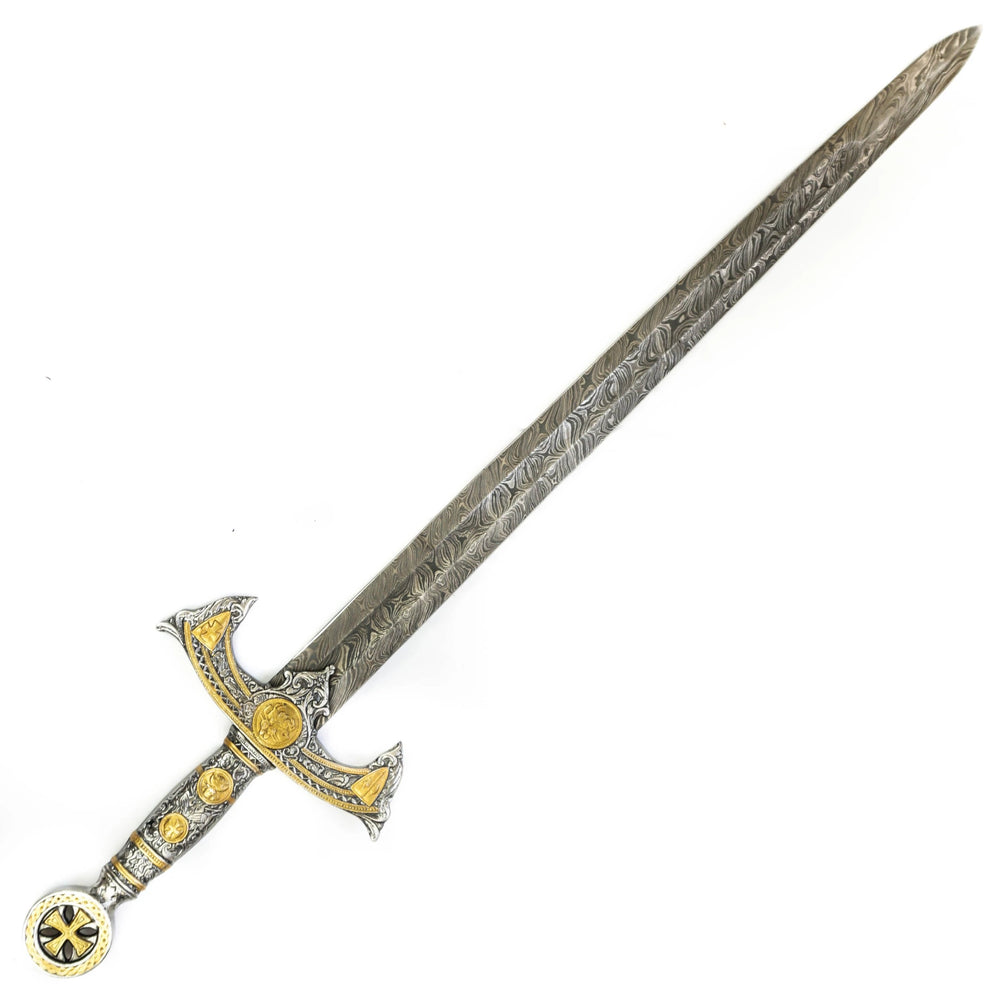
The Spanish saber evolved during the gunpowder era, with patterns including the Espada Ropera ("dress sword") of Spanish nobility, the 1796 Spanish cavalry saber, and later regulation patterns through the 19th and 20th centuries. Spanish military officer's swords remain ceremonial dress swords in modern Spanish armed forces tradition. Portuguese swords include similar designs from the Portuguese sword-making tradition, particularly naval and maritime swords from Portugal's age of exploration. Toledo souvenir and ceremonial swords include the decorative blades produced in Toledo today — often elaborately etched, gold-inlaid pieces drawing on historical patterns and sold worldwide as heritage and tourist swords.
The city of Toledo, in central Spain, was the most renowned sword-making center in Europe from the late medieval period through the Renaissance and into modern times. Toledo's reputation rested on the quality of its steel, which Spanish smiths developed through carefully guarded techniques of forging, tempering, and quenching that produced blades of exceptional sharpness, flexibility, and durability. Toledo steel became a worldwide byword for blade quality — Spanish proverbs, English plays, and historical military records all reference Toledo-forged swords as the gold standard. The exact metallurgical reasons for Toledo's superiority remain debated, but likely involved a combination of local iron ore composition, specific water quality used for quenching from the Tagus River, and refined smithing techniques passed through guild traditions over centuries.
Toledo's sword-making peaked during the 16th and 17th centuries when Spanish military power was at its height and Spanish conquistadors, soldiers, and dueling masters carried Toledo blades across Europe and the Americas. Even after Spanish military power declined, Toledo's sword reputation persisted — and the city still produces swords today, though most modern Toledo blades are ceremonial and decorative pieces rather than functional military weapons. A Toledo souvenir sword is genuinely produced in Toledo using traditional patterns, though the steel quality and construction vary widely between tourist-grade decorative pieces and serious replicas from established Toledo workshops.
Spain developed one of the most distinctive sword-fighting traditions in European history — La Verdadera Destreza, literally "The True Skill" or "The True Art." Developed during the 16th and 17th centuries by masters like Jerónimo Sánchez de Carranza (the founder of the system) and Don Luis Pacheco de Narváez (Carranza's most influential follower), Destreza was a geometrically rigorous fencing system based on the mysterious circle — an imaginary circle drawn on the ground around the combatants, with sword movements analyzed through angles, arcs, and lines of attack. Destreza prized intellectual precision over the more athletic Italian fencing style, and the system attracted scholars, philosophers, and Spanish nobility who saw it as an extension of mathematical and moral discipline rather than mere combat training.
Destreza was carried throughout the Spanish Empire and influenced sword traditions in Italy, France, and the Spanish colonies in the Americas. Modern HEMA practitioners studying historical Spanish fencing return to Carranza's De la Filosofía de las Armas (1582) and Pacheco's later treatises as primary sources, and Destreza has experienced a serious revival in recent decades. Practitioners of Destreza typically use Spanish cup-hilt rapiers as their primary weapon, making authentic Spanish rapier reproductions central to the HEMA Iberian community.
Iberian swords carry particular meaning across the Spanish-speaking and Portuguese-speaking world. Spanish conquistador swords accompanied the colonization of the Americas, the Philippines, and Spanish Pacific territories. Spanish cavalry sabers were carried by Latin American independence-era armies and their officers — Simón Bolívar, José de San Martín, and other liberators carried Spanish-pattern swords during the Wars of Independence. Mexican military and naval swords through the 19th and 20th centuries followed Spanish-derived patterns. Portuguese naval and exploration swords accompanied Portuguese voyages from West Africa to Goa, Macao, and Brazil. These swords remain culturally meaningful as heritage pieces honoring Hispanic and Latin American ancestry, military service in Spanish-speaking nations, and the broader Iberian cultural diaspora.
These Iberian swords are popular for Spanish and Portuguese heritage celebrations, Latin American cultural events and Hispanic Heritage Month commemorations, Toledo and Iberian historical reenactment, HEMA practice and study of La Verdadera Destreza, conquistador-era and Renaissance Spain reenactment, museum-style home displays honoring Iberian military heritage, themed offices and dens for those drawn to Spanish, Portuguese, or Latin American history, cosplay for productions set in Spanish Golden Age Spain or conquistador-era expeditions, ceremonial gifts for those of Spanish, Portuguese, Mexican, Cuban, or broader Latin American descent, military and naval officer gifts in Spanish-speaking armed forces traditions, and collector pieces honoring Toledo's six-hundred-year sword-making heritage. Many customers choose Iberian swords as meaningful gifts for milestone occasions honoring Hispanic, Portuguese, or Latin American heritage.
Browse the collection to find Spanish falcatas, Toledo-style rapiers, conquistador-era swords, Spanish cavalry sabers, Portuguese heritage blades, and decorative Iberian sword designs that fit your collection, heritage celebration, or display.
What is a falcata? The falcata is the ancient Iberian forward-curved sword carried by Celtiberian warriors of the pre-Roman Iberian Peninsula (roughly 4th century BC through 1st century BC). Featuring a single-edged blade with a distinctive recurve — the blade curves forward like a sickle but extends straight — and an elaborately formed hilt often featuring a horse-head, bird-head, or scrolled pommel, the falcata was known for exceptional chopping power and excellent metallurgy. Roman writers specifically noted the quality of Iberian falcatas, and the falcata's design influence likely contributed to the development of the Roman gladius, which Rome adopted from Iberian designs during the Punic Wars.
Why is Toledo famous for swords? Toledo, in central Spain, was the most renowned sword-making center in Europe from the late medieval period through the Renaissance. Toledo's reputation rested on exceptional steel quality and refined smithing techniques developed over centuries of guild tradition. The exact reasons for Toledo's superiority involved local iron ore composition, the specific quality of water from the Tagus River used in quenching, and carefully guarded forging and tempering techniques. Spanish military power at its height, combined with conquistador expeditions carrying Toledo blades across the Americas and the Pacific, spread Toledo's reputation worldwide. The city still produces swords today, though most modern Toledo blades are ceremonial and decorative rather than functional military weapons.
What is La Verdadera Destreza? La Verdadera Destreza ("The True Skill" or "The True Art") is the Spanish school of fencing developed during the 16th and 17th centuries by Jerónimo Sánchez de Carranza and refined by Don Luis Pacheco de Narváez. Destreza was a geometrically rigorous system based on an imaginary mysterious circle drawn on the ground between combatants, analyzing sword movements through angles, arcs, and lines of attack. It prized intellectual and mathematical precision over the more athletic Italian fencing style and attracted Spanish nobility, scholars, and philosophers. Modern HEMA practitioners continue to study Destreza through Carranza's De la Filosofía de las Armas (1582) and Pacheco's treatises, typically using Spanish cup-hilt rapier reproductions.
What kind of swords did conquistadors carry? Spanish conquistadors carried a variety of swords reflecting the military equipment available during the 16th-century Age of Exploration. Most foot soldiers carried side swords (spada da lato) — broader Renaissance blades that bridged medieval arming swords and the later true rapier — along with short swords and daggers. Officers and wealthier conquistadors carried early rapiers with swept hilts. The cup-hilt rapier developed slightly later than the main conquistador era but became iconic of Spanish colonial military presence. Conquistadors also carried Toledo-forged blades whenever possible, given Toledo's reputation for quality. The image of conquistadors with elaborate fully-developed cup-hilt rapiers is somewhat anachronistic — those came into wider use after the initial conquests were complete.
Are Toledo souvenir swords real swords? The answer depends on the specific sword and workshop. Genuine Toledo-produced ceremonial and decorative swords are still made in Toledo today using traditional patterns and techniques — they're real swords in the sense that they're forged steel blades produced by Spanish craftsmen following heritage methods. However, quality varies dramatically: high-end Toledo workshops produce serious historical reproductions suitable for collectors and reenactors, while tourist-grade decorative pieces use stainless steel and lower-grade construction suited only for display. A Toledo souvenir sword is genuinely a Toledo-made decorative blade; whether it's "real" in the sense of being battle-ready or museum-quality depends entirely on which workshop produced it and at what price tier.