

 Fast & Free Shipping
 30 day Money Back
 Secure Checkout
 Fast & Free Shipping
30 day Money Back
Secure Checkout
Fast & Free Shipping
30 day Money Back
Secure Checkout
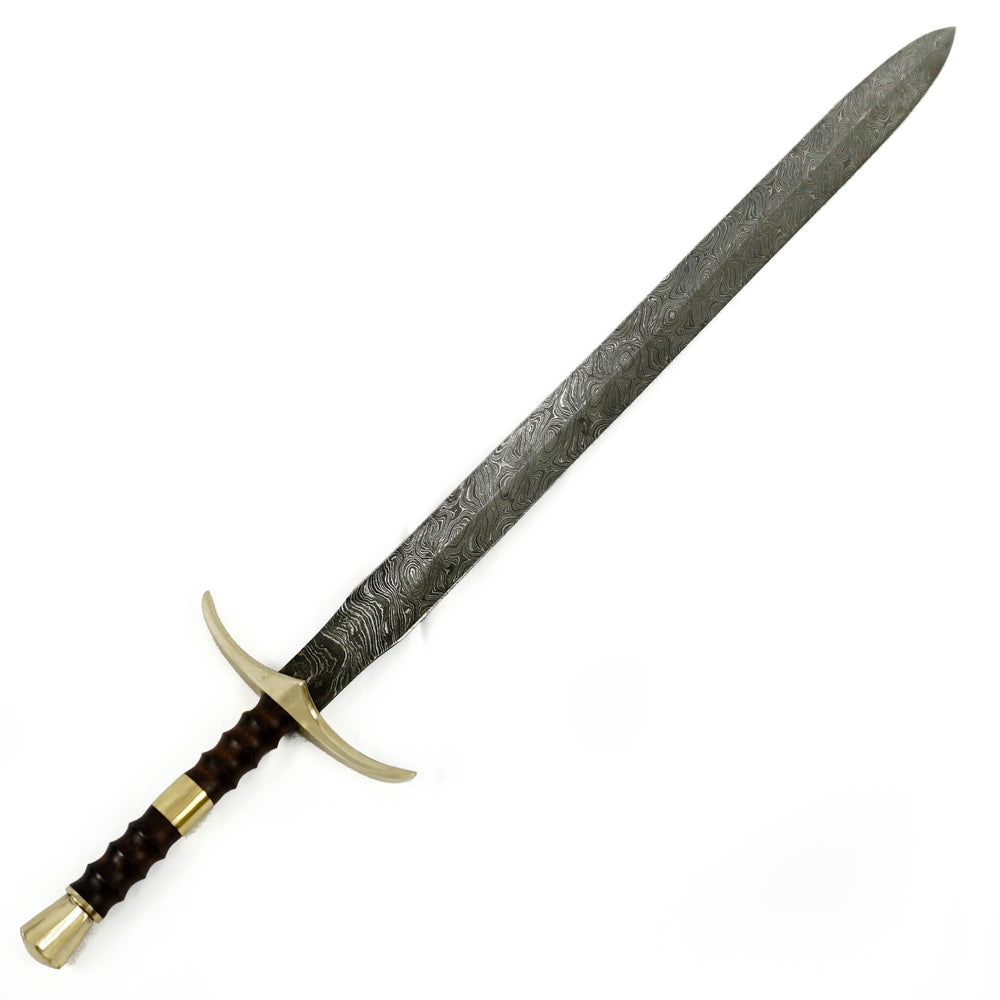
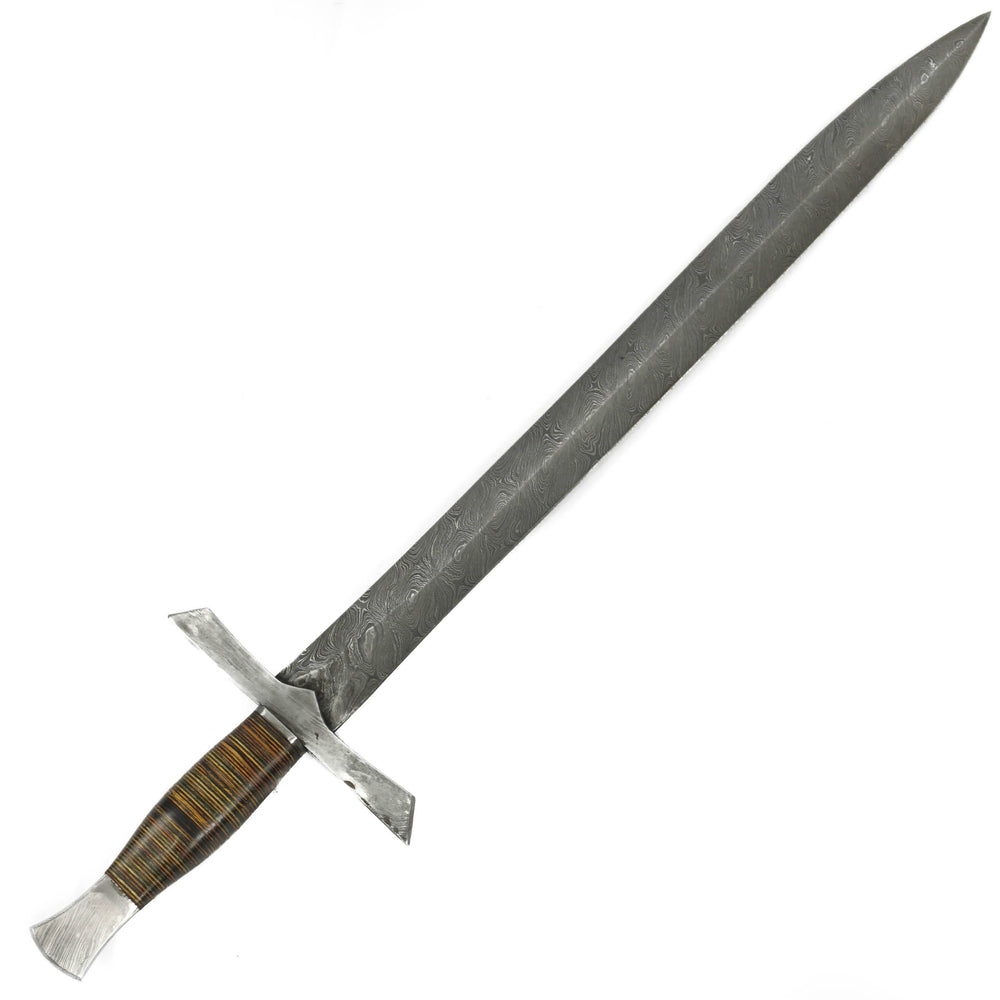
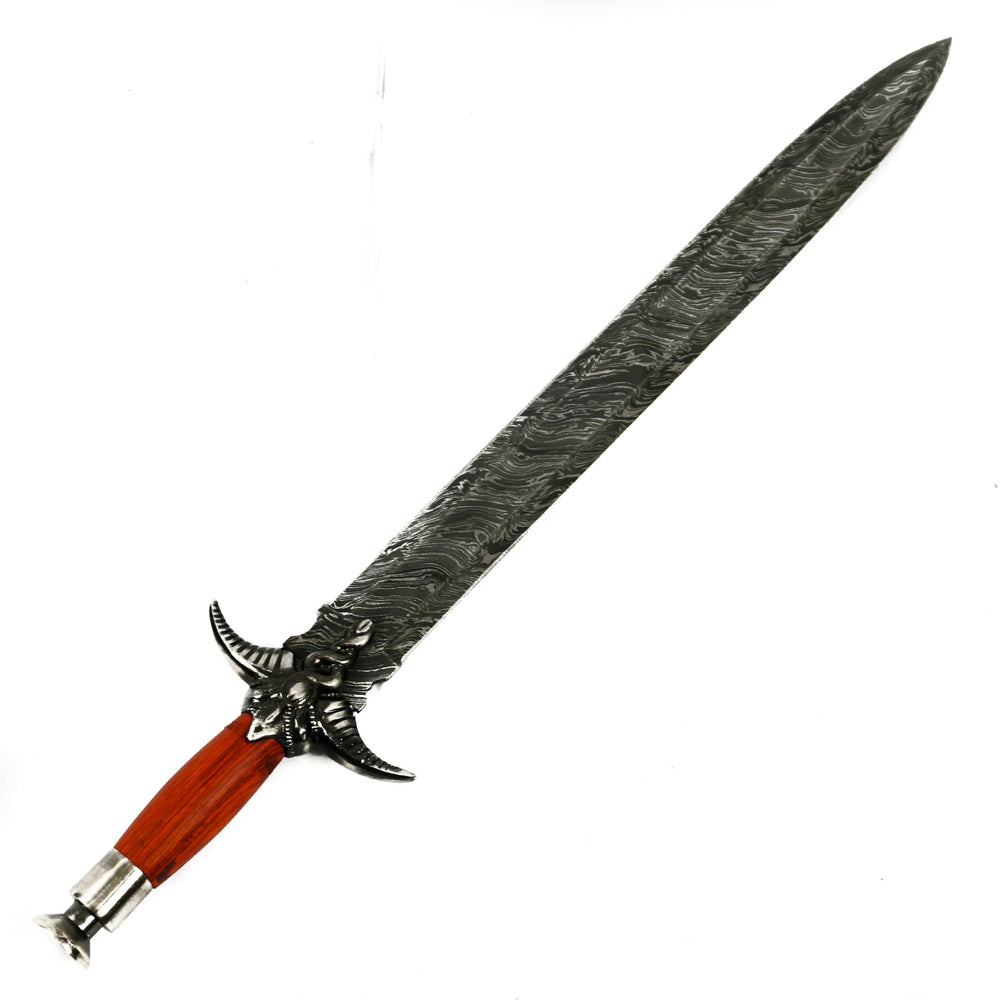
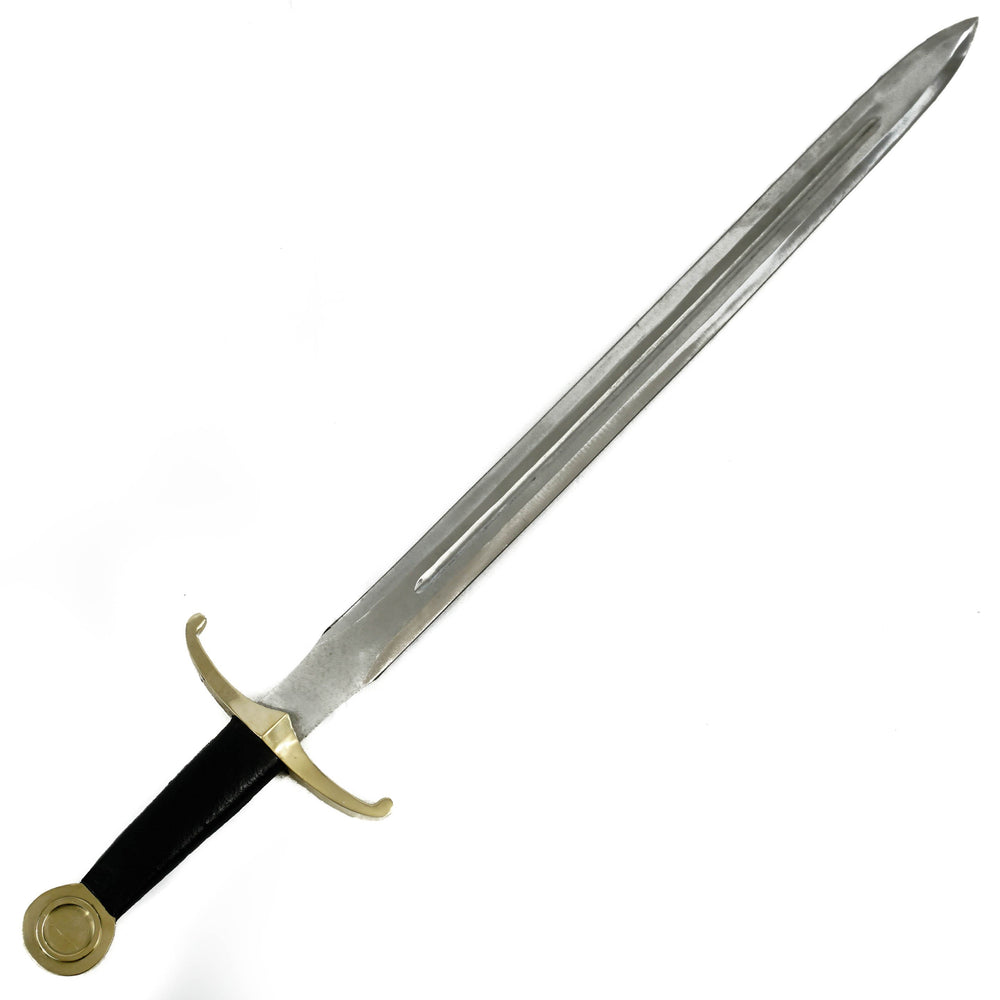
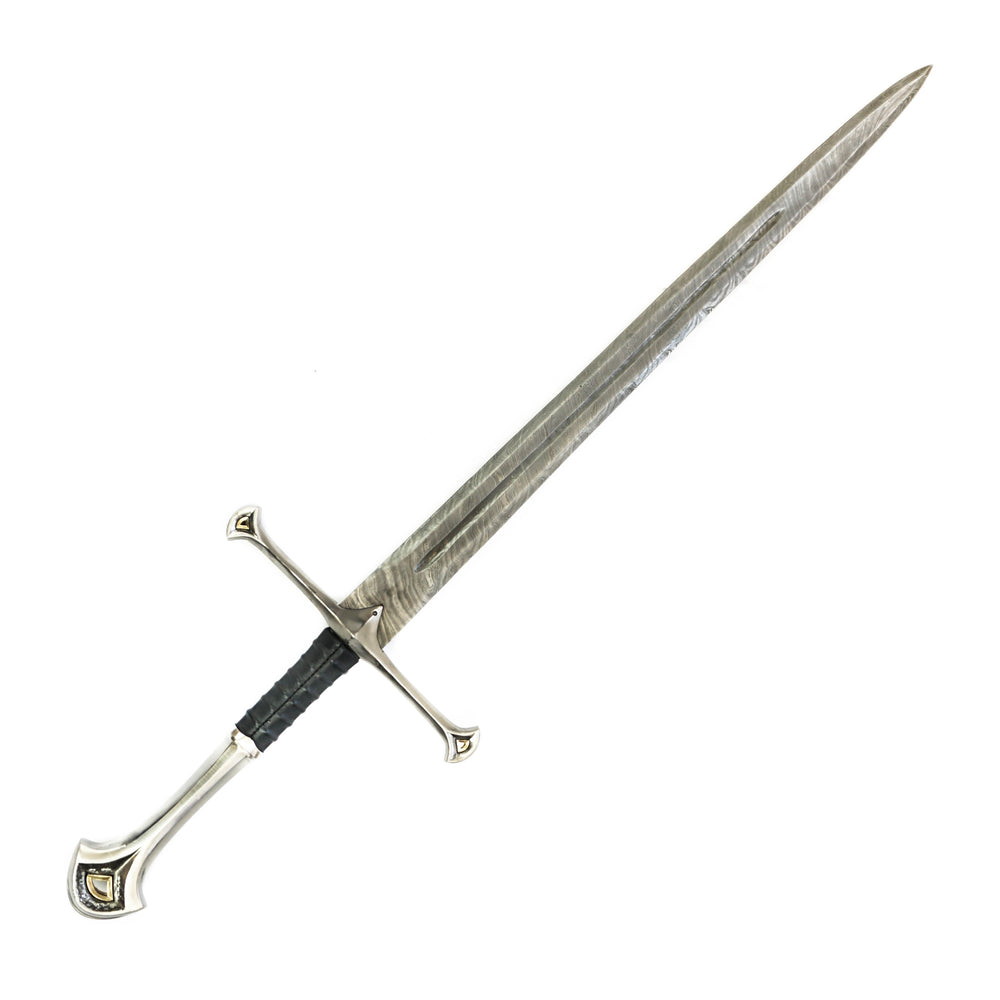
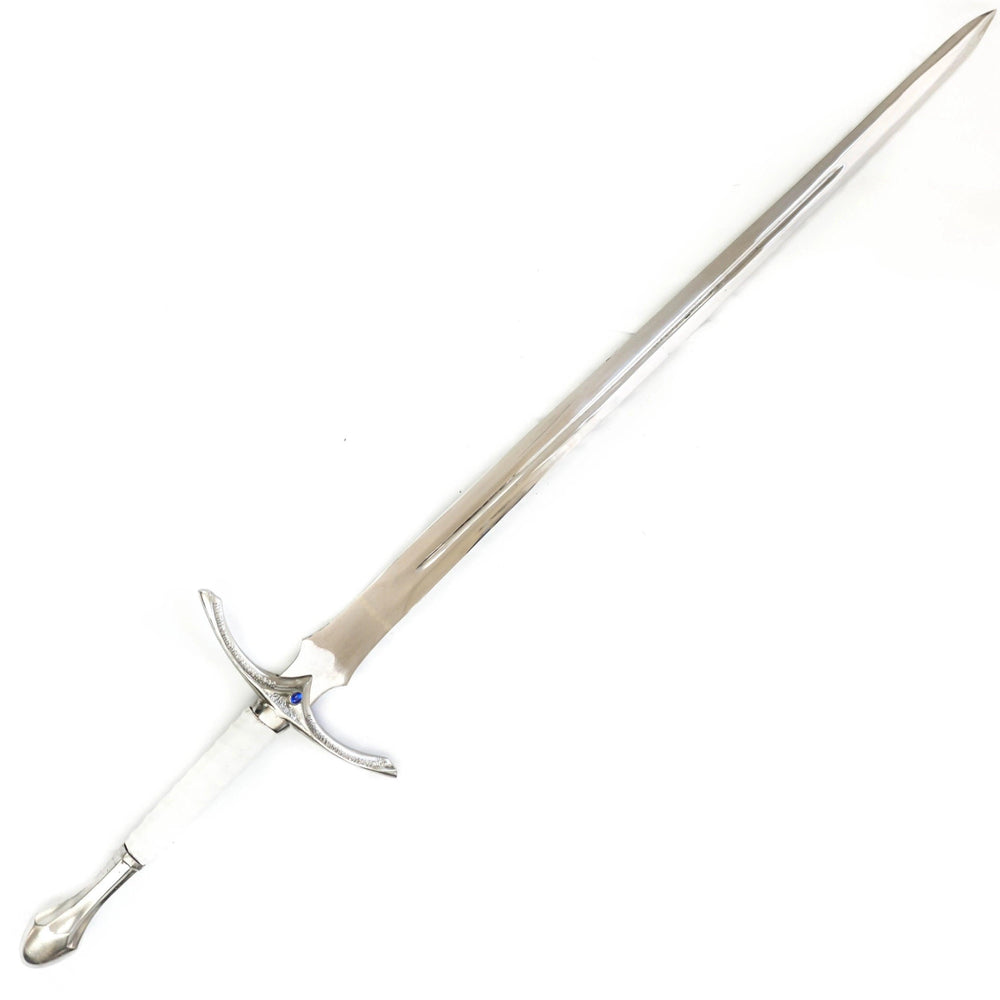
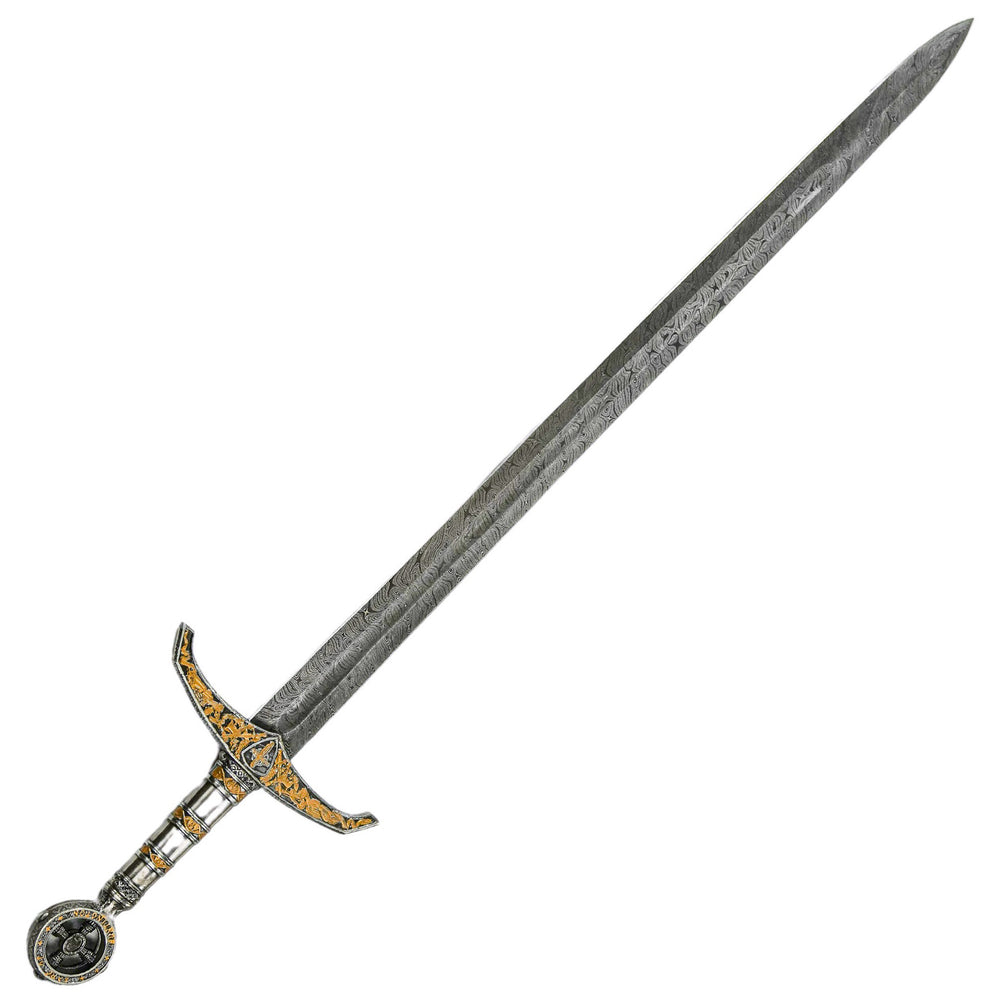
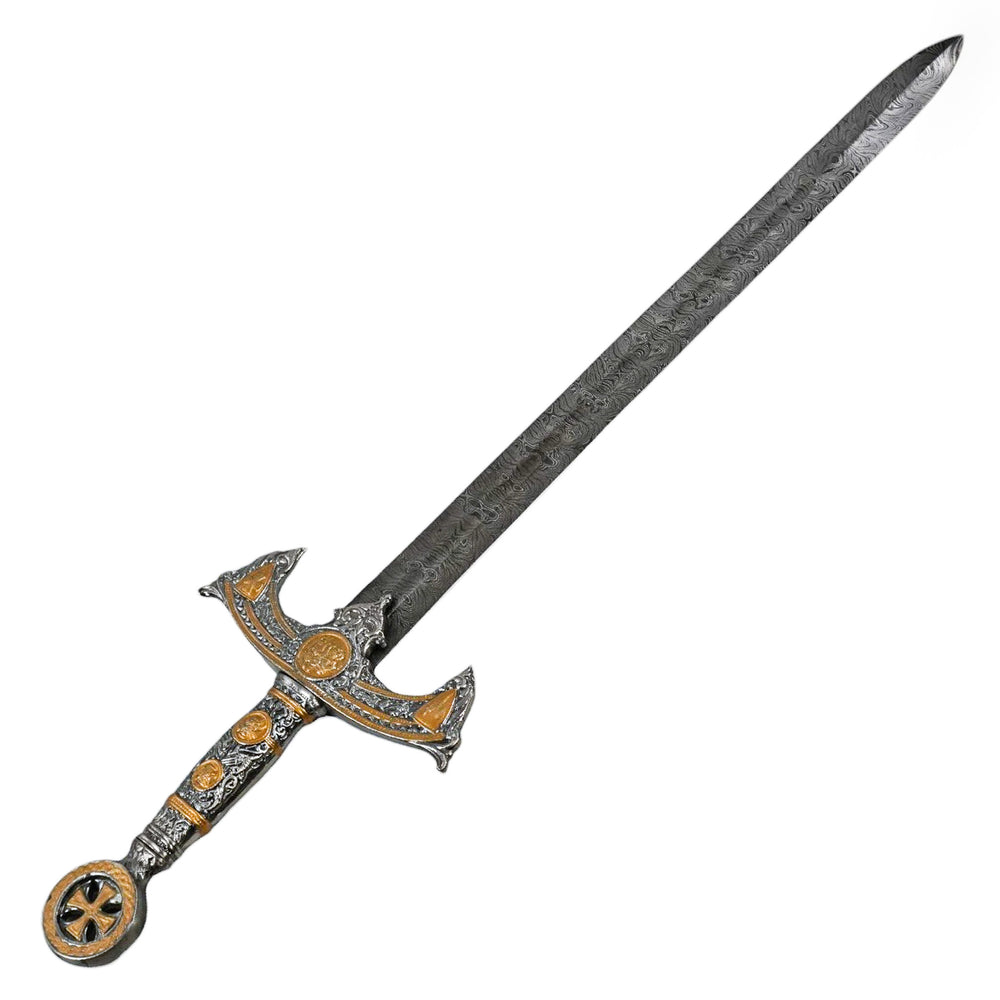
Explore bastard swords inspired by the versatile hand-and-a-half blades carried by medieval knights, men-at-arms, and Renaissance fighters across Europe. This collection includes battle-ready bastard swords, decorative wall pieces, hand-forged reproductions, and HEMA-grade training swords designed for collectors, reenactors, martial artists, cosplayers, and anyone drawn to the practical brilliance of late medieval European sword design.
The bastard sword — also known as the hand-and-a-half sword — earned its peculiar name from medieval French (épée bâtarde) for being neither fully one-handed nor fully two-handed. Its defining feature is the extended grip, long enough to accommodate a second hand when extra power was needed, but short enough to wield single-handed when a shield, lance, or reins occupied the other hand. This versatility made it one of the most practical swords of the late medieval period (roughly 1350–1550), favored by knights, mercenaries, and infantry officers who needed a single weapon adaptable to mounted combat, foot combat, formation fighting, and judicial dueling.
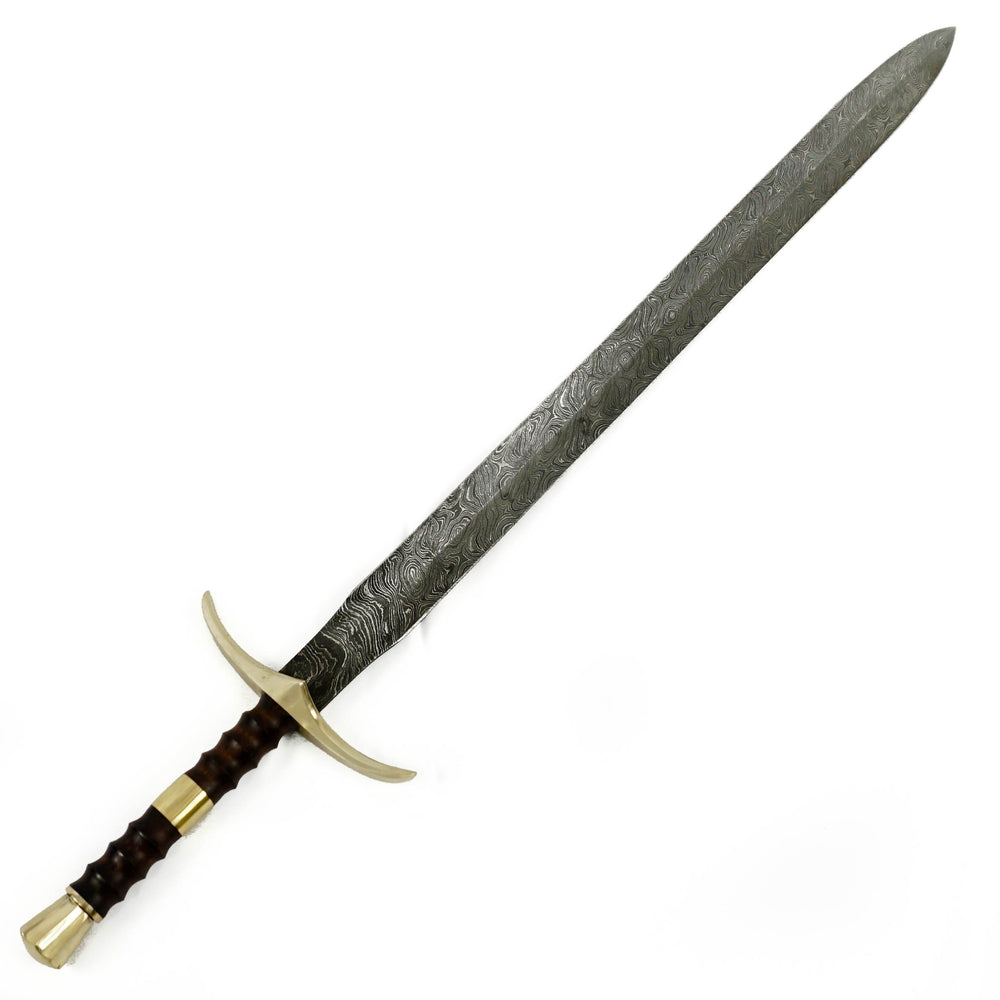
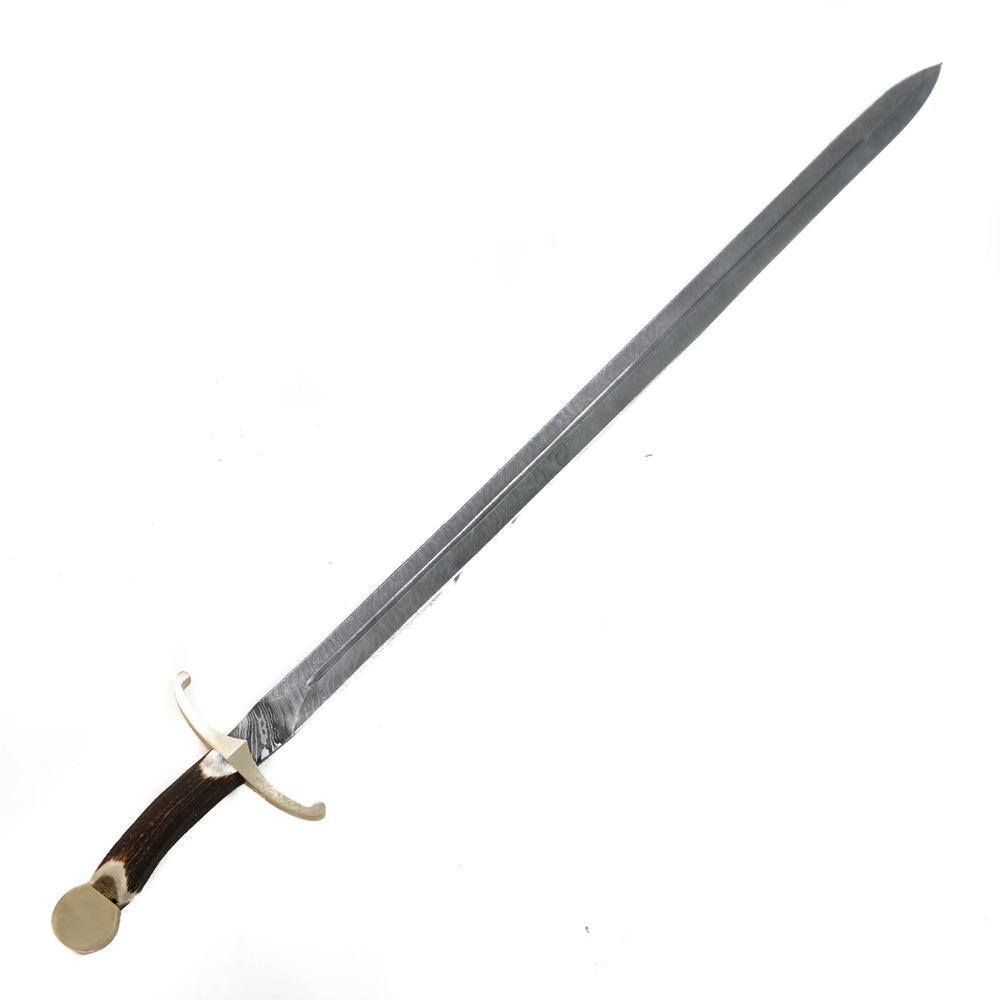
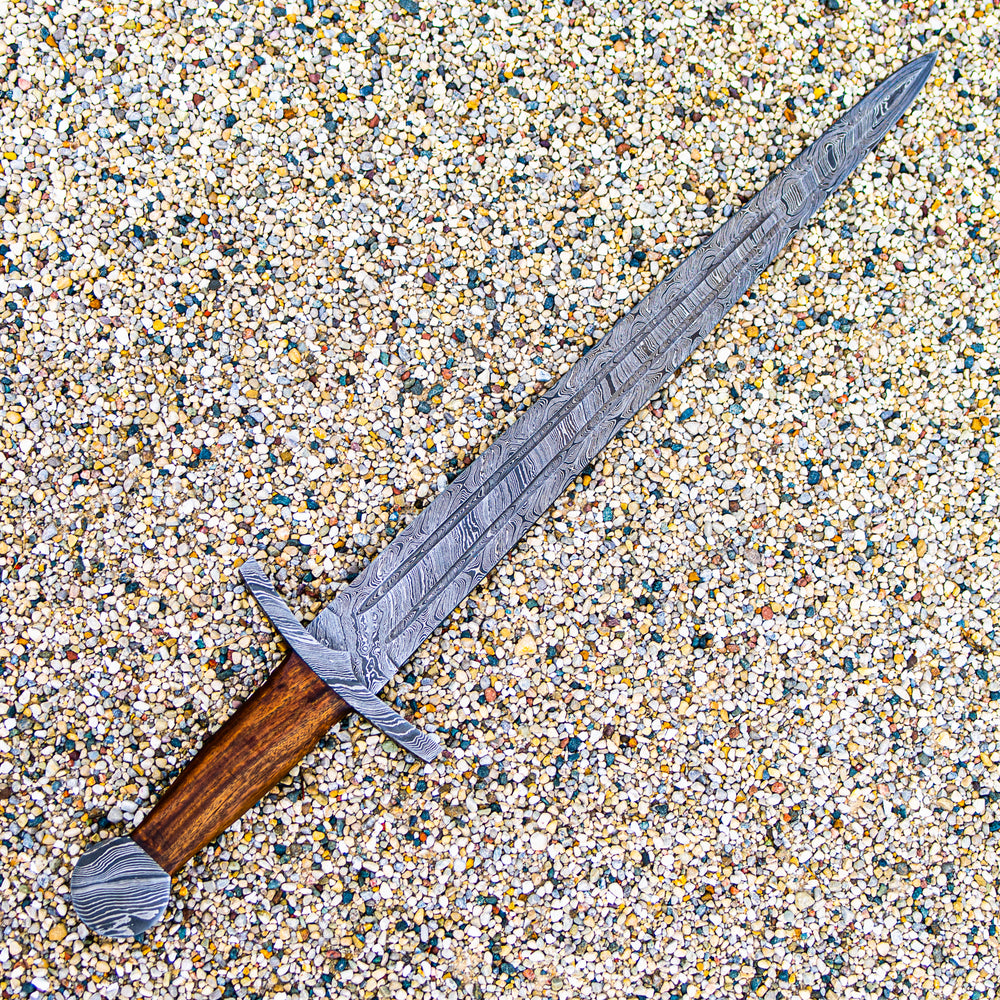
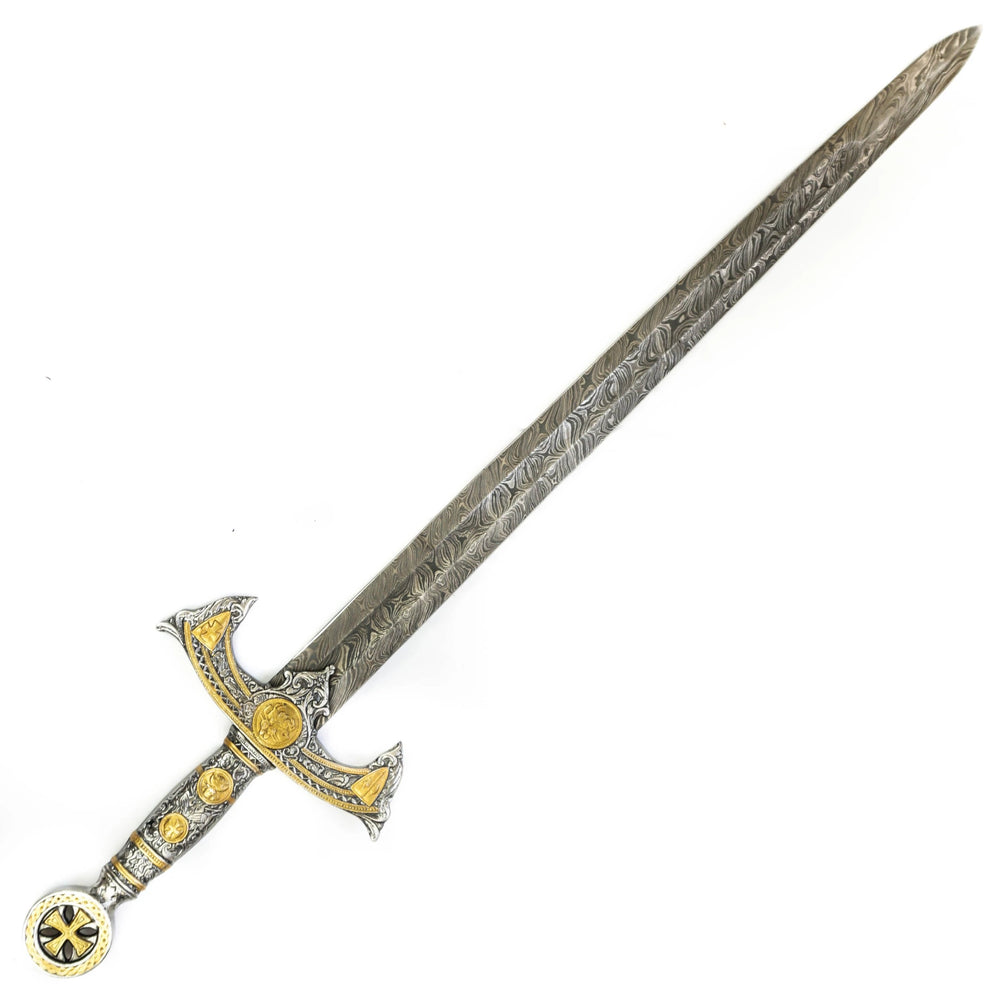
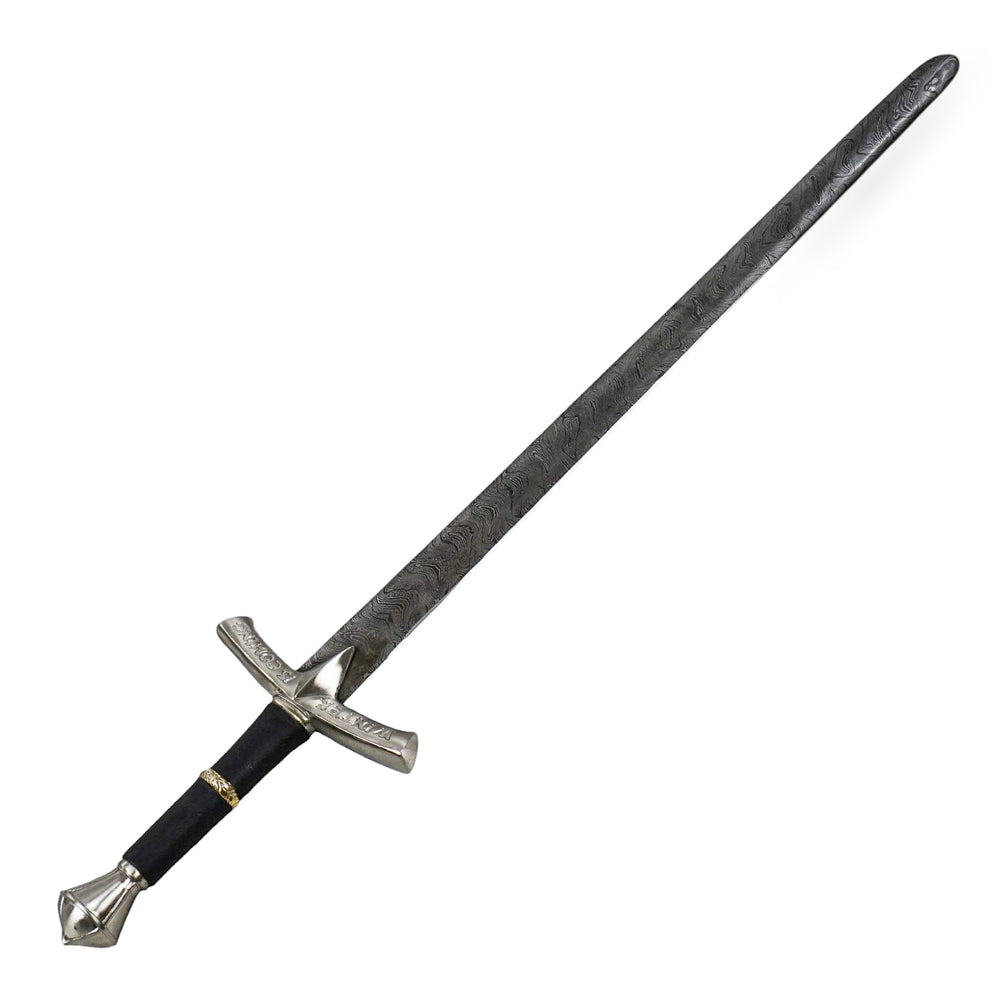
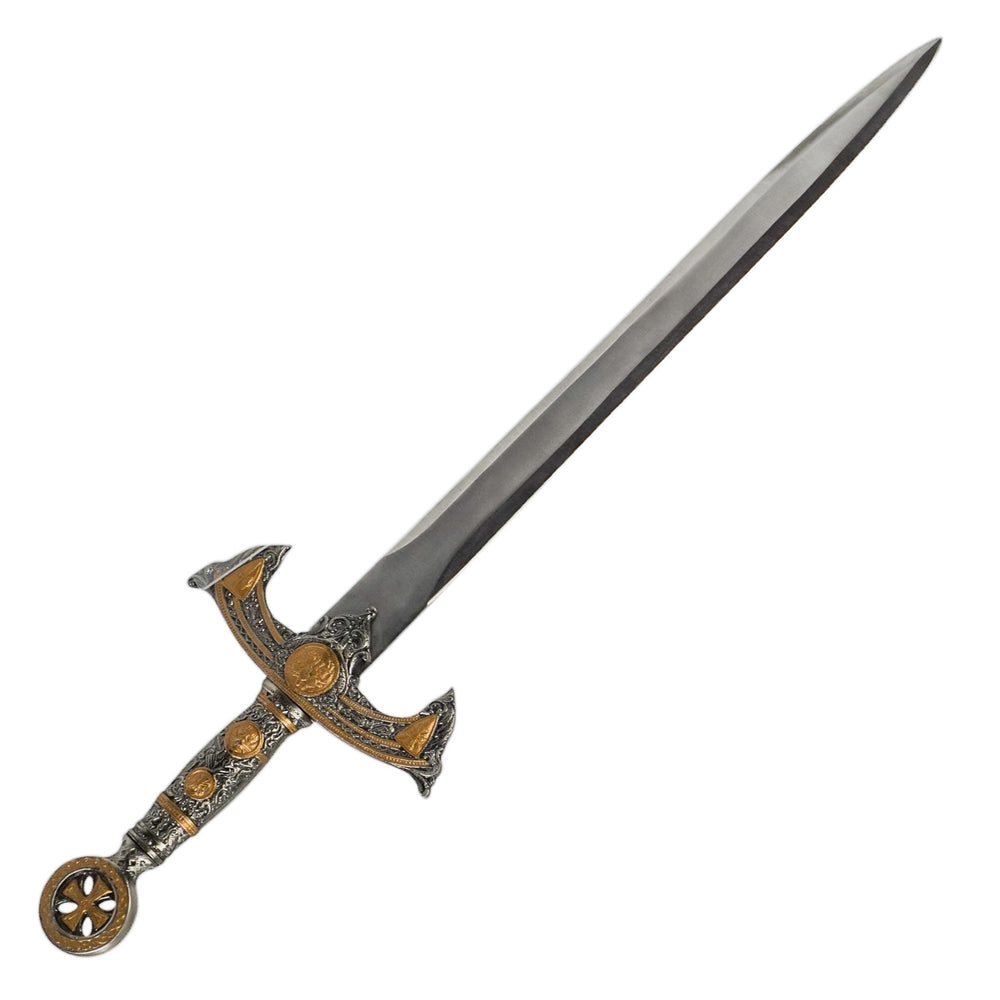
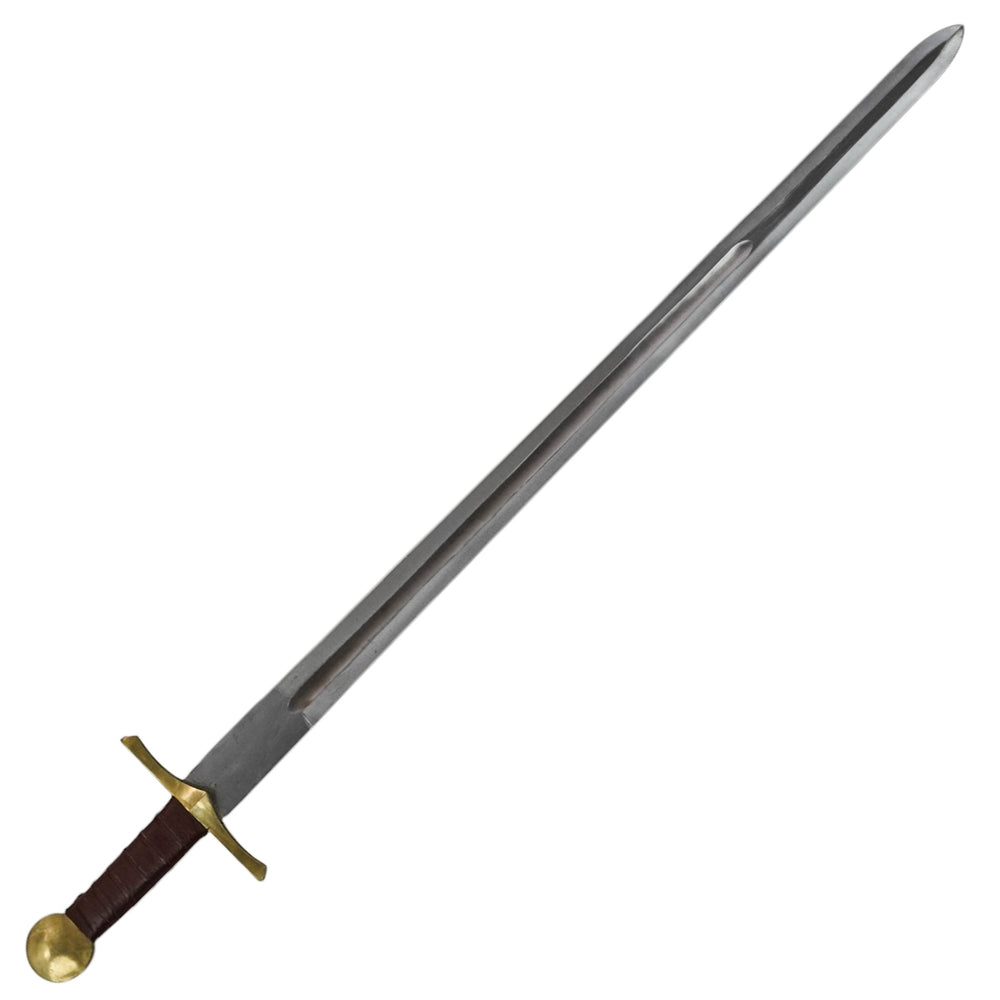
Our bastard sword collection includes designs with diamond-cross-section blades, tapered Type XVIIIa and Type XVIIIb profiles (per the Oakeshott typology), cruciform crossguards, leather-wrapped extended grips, and wheel, pear-shaped, or scent-stopper pommels balanced for proper handling. Blades are forged from high-carbon 1060, 1075, or 1095 steel for battle-ready cutting and reenactment use, spring steel like 5160 or 9260 for serious HEMA practice, and stainless steel for decorative display pieces. Many include leather-wrapped scabbards with brass or steel chape and locket fittings.
Modern sword scholarship classifies bastard swords using the Oakeshott typology, the standard reference system for medieval European swords developed by historian Ewart Oakeshott. Most bastard swords fall into Type XV (sharply tapered diamond-section blades optimized for thrusting against plate armor), Type XVI and Type XVII (balanced cut-and-thrust designs), and Type XVIII (the broader "bastard sword" category covering the most common 14th–16th century forms). The pommel and crossguard are further classified by letter and number — Type J pommels (scent-stopper), Type T pommels (wheel), and Style 5 or 7 crossguards are among the most common on historical bastard swords. This classification matters to serious collectors because it identifies which historical period and combat role a specific sword was designed for.
The terms bastard sword, hand-and-a-half sword, and longsword overlap significantly in modern usage and historical sources. The clearest modern distinction is grip length and intended use: a bastard sword has a grip long enough to be used one- or two-handed (the "hand-and-a-half" reference), while a longsword is generally understood as a true two-handed cruciform sword with a longer grip and overall length. Many historical swords blur this line — and in HEMA (Historical European Martial Arts) practice, the same blade is sometimes called all three names depending on the source manuscript and tradition. As a rough rule: if the grip lets you switch fluidly between one- and two-handed use, it's a bastard sword.
Battle-ready bastard swords feature full-tang construction, high-carbon or spring steel blades, and proper heat treatment suitable for cutting practice, HEMA training, and serious reenactment use. Decorative bastard swords are typically made from stainless steel with partial tangs and are designed for wall display, costume use, cosplay, and themed home decor. Blunt-edged HEMA federschwert (or "feder") trainers and synthetic nylon waster bastard swords are designed for safer contact sparring, allowing practitioners to study Liechtenauer's longsword tradition and Fiore dei Liberi's Italian system without the risks of a sharpened edge.
These bastard swords are popular for HEMA practice and study of historical European martial arts manuscripts, medieval reenactment (SCA combat, Renaissance faires, late medieval encampments), serious cutting practice on tatami and water bottles, museum-style home displays, themed dens and offices honoring knightly and chivalric history, cosplay for medieval and fantasy productions, theatrical and film use, ceremonial gifts for graduations and milestone occasions, and collector pieces honoring the practical engineering of late medieval European sword design. Many customers choose bastard swords as meaningful gifts for fans of medieval history, Arthurian legend, and historical fiction.
Browse the collection to find battle-ready bastard swords, hand-and-a-half blades, Oakeshott typology reproductions, and decorative display swords that fit your collection, training, or display.
Why is it called a "bastard" sword? The name comes from medieval French épée bâtarde, meaning "irregular" or "of mixed origin" — referring to the sword's hybrid nature as neither fully one-handed nor fully two-handed. It wasn't an insult or a comment on quality; medieval naming conventions used "bastard" for things that didn't fit cleanly into established categories. The bastard sword's whole identity is its in-between versatility.
What is a hand-and-a-half sword? "Hand-and-a-half" is the descriptive English name for the bastard sword, referring to its grip length — long enough to fit one full hand plus the heel of a second hand for added leverage on heavy cuts, but short enough to wield comfortably with a single hand. The two terms are interchangeable in modern usage, with "hand-and-a-half" being more common in English-language collector and HEMA communities.
What was a bastard sword used for? Bastard swords were genuine battlefield weapons used by knights, men-at-arms, and infantry officers from roughly the mid-14th century through the mid-16th century. Their versatility made them ideal for mixed combat conditions: mounted use where one hand might hold reins, foot combat where two hands maximized cutting and thrusting power, judicial duels and trial-by-combat, and personal sidearm carry by armored fighters who also wielded polearms or lances. Many were specifically designed to thrust through gaps in plate armor.
How heavy is a bastard sword? Historical and well-made modern bastard swords typically weigh between 2.5 and 3.5 pounds (1.1–1.6 kg) — far lighter than popular imagination suggests. Despite blade lengths of 33–40 inches and overall lengths around 45 inches, proper distal taper and balance make them quick and responsive in trained hands. Anyone who has handled a quality bastard sword is usually surprised by how nimble it feels.